I still remember the first time I had to fix a sunken cake in my baking class – it was a disaster, but also a valuable learning experience. My students were frustrated, and I was determined to help them understand that baking isn’t magic, it’s science. The common myth that a sunken cake is always due to overmixing is just that – a myth. While overmixing can certainly contribute to a cake’s demise, it’s often just one piece of the puzzle. When it comes to how to fix a sunken cake, there are several factors to consider, and I’m excited to share my expertise with you.
In this article, I’ll guide you through the process of troubleshooting and resolving the issues that lead to a sunken cake. You’ll learn the why behind each step, from understanding the role of leavening agents to recognizing the importance of accurate temperature control. By the end of this guide, you’ll be equipped with the knowledge and confidence to fix a sunken cake and achieve baking success. My goal is to empower you with the fundamental knowledge you need to tackle any baking challenge, and I’m committed to providing you with practical advice that’s free from hype and gimmicks.
Table of Contents
Guide Overview: What You'll Need
Total Time: 1 hour 15 minutes
Estimated Cost: $10 – $20
Difficulty Level: Easy
Tools Required
- Butter Knife for spreading and smoothing
- Spatula for scraping and flipping
- Measuring Cups for precise ingredient measurement
- Whisk for mixing
- Oven Thermometer to ensure accurate oven temperature
Supplies & Materials
- All-Purpose Flour for adjusting cake texture
- Baking Powder to help cake rise
- Butter or Oil for moisture and flavor
- Sugar for sweetness and browning
- Eggs for structure and richness
- Vanilla Extract for flavor enhancement
Step-by-Step Instructions
- 1. First, let’s identify the culprit behind the sunken cake. Take a close look at your cake and check if it’s evenly baked, or if there are any noticeable cracks or uneven surfaces. This will help us determine if the issue is with the recipe, the baking technique, or something else entirely. Remember, a good baker is also a good detective, so take your time and observe your cake carefully.
- 2. Next, review your recipe and make sure you haven’t skimped on the leavening agents. Leavening agents like baking powder or baking soda are essential for helping your cake rise, so if you’ve used too little or too much, it can affect the final result. Check your measurements and ensure you’ve used the right amount of leavening agents for the type of cake you’re making. It’s also important to note that using old or expired leavening agents can reduce their effectiveness.
- 3. Now, let’s talk about oven temperature. An incorrect oven temperature can cause your cake to sink or not rise properly. Invest in an oven thermometer to ensure your oven is at the right temperature. If your oven is running too hot or too cold, it can affect the baking time and the final result. Remember, a precise oven temperature is crucial for achieving the perfect bake.
- 4. Check your mixing technique and ensure you’re not overmixing the batter. Overmixing can cause the gluten in the flour to develop, leading to a dense and tough cake that’s more likely to sink. Mix your ingredients just until they come together, then stop mixing. Gentle folding is key when combining wet and dry ingredients, so be gentle and patient.
- 5. Another common culprit behind sunken cakes is insufficient baking time. If your cake is not baked for long enough, it may not have had time to set properly, causing it to sink in the middle. Check your cake frequently towards the end of the baking time, and use a toothpick or skewer to test for doneness. If the toothpick comes out clean, the cake is ready. Don’t be afraid to add a few extra minutes to the baking time if needed.
- 6. Let’s not forget about pan preparation. A poorly prepared pan can cause your cake to stick and sink. Make sure to grease your pan properly and flour it evenly. You can also use parchment paper or a silicone mat to ensure the cake releases easily from the pan. A well-prepared pan is essential for achieving a beautifully baked cake that releases easily.
- 7. Finally, don’t overopen the oven door during the baking time. Opening the oven door too frequently can cause the temperature to fluctuate, affecting the baking process. Try to limit your checks to once or twice during the baking time, and use the oven window to monitor the cake’s progress instead. A steady oven temperature is crucial for achieving a perfectly baked cake that rises beautifully and doesn’t sink.
Fixing Sunken Cakes
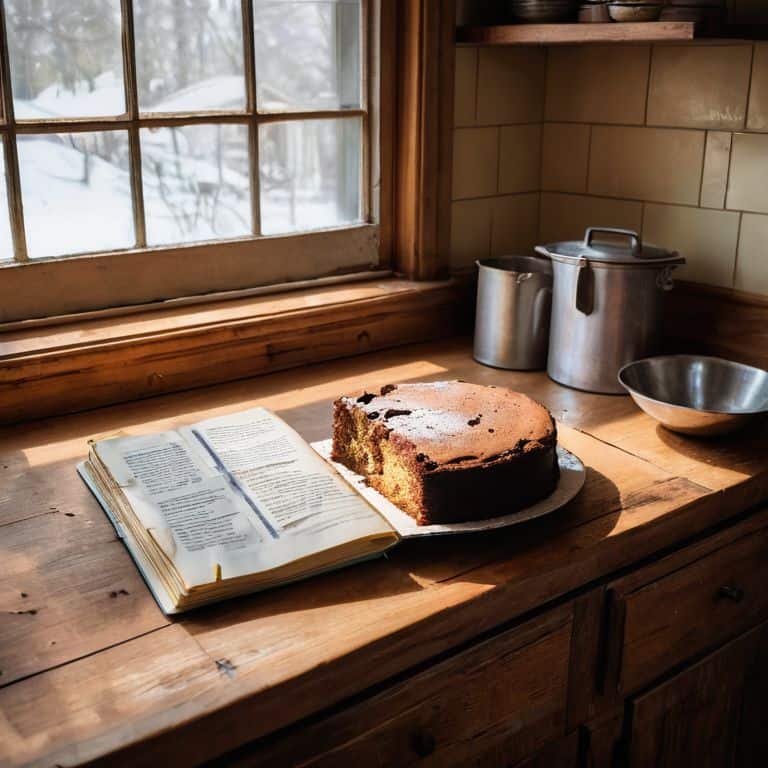
When it comes to rescuing a sunken cake, it’s essential to understand the underlying reasons for cake sinking. Often, it’s a combination of factors, such as incorrect oven temperature, insufficient leavening, or overmixing the batter. To avoid these common baking mistakes, make sure to double-check your recipe and technique before pouring the batter into the pan.
To reinforce the cake structure, try adding extra ingredients like xanthan gum or cornstarch to help strengthen the gluten network. This can be especially helpful when working with delicate ingredients or unusual flavor combinations. By taking a few extra precautions, you can significantly improve the cake texture improvement and reduce the likelihood of a sunken cake.
In terms of sunken cake prevention tips, one of the most critical factors is to not overopen the oven door during baking. This can cause the cake to sink or become misshapen, leading to a less-than-desirable texture. By being mindful of these potential pitfalls and taking steps to reinforce the cake structure, you can increase your chances of baking a beautiful, evenly risen cake every time.
Reasons for Cake Sinking
When a cake sinks, it’s often due to inadequate leavening or excessive liquid. Overmixing the batter can also lead to a dense, sunken center. Another common culprit is incorrect oven temperature – if your oven is running too hot or too cold, it can affect the cake’s rise. I’ve seen it time and time again in my culinary school classes: a simple miscalculation can lead to a disappointing dessert.
To get to the root of the issue, let’s consider a few key factors: was your butter too soft, causing the mixture to become overly wet? Did you not sift your flour, resulting in an uneven distribution of ingredients? By examining these potential missteps, we can begin to understand what went wrong and take steps to correct it, ensuring a beautifully risen cake every time.
Rescuing With Structure
Now that we’ve explored the reasons behind cake sinking, let’s dive into rescuing our baked goods with structure. This is where the science of baking really comes into play. By understanding how ingredients interact, we can use structure to our advantage. For instance, adding xanthan gum or guar gum can help strengthen the crumb and prevent it from collapsing.
In my experience, using the right pan and ensuring even baking can also make a significant difference. I always say, it’s all about creating a strong foundation, and with a little tweak in our technique, we can rescue even the most sunken of cakes and turn them into masterpieces.
Rise to the Occasion: 5 Essential Tips to Fix a Sunken Cake
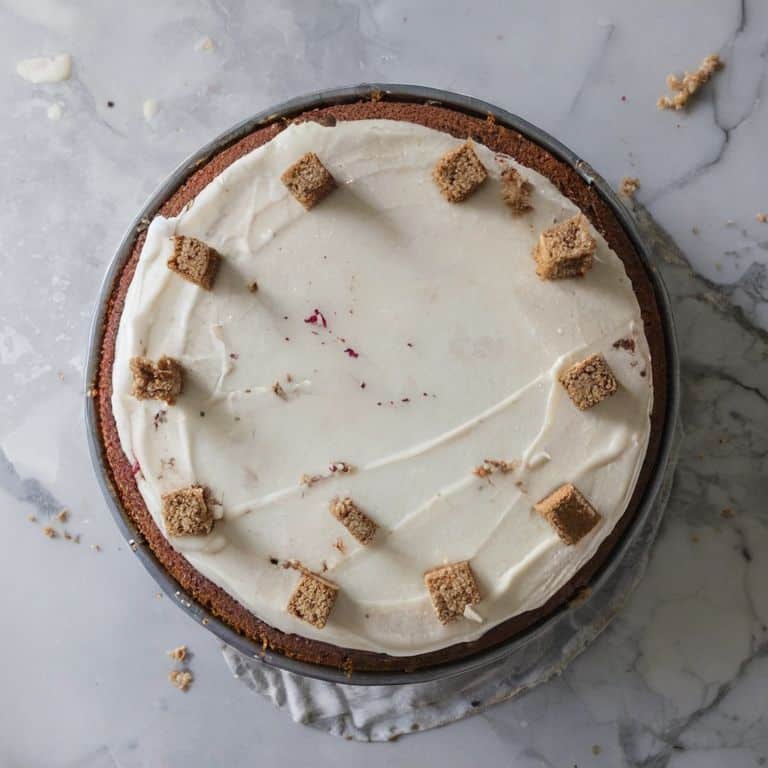
- Understand the chemistry: recognize that leavening agents, such as baking powder or baking soda, are responsible for the cake’s rise, and improper usage can lead to a sunken cake
- Measure with precision: weighing ingredients is crucial, as incorrect proportions of flour, sugar, or liquids can disrupt the cake’s structure and cause it to sink
- Respect the role of gluten: understand how gluten develops and how overmixing can lead to a dense, sunken cake – use gentle folding techniques and avoid overworking the batter
- Mind the temperature: ensure your oven is at the correct temperature, as an oven that’s too hot or too cold can affect the cake’s rise and potentially cause it to sink
- Don’t overbake: keep a close eye on your cake’s baking time, as overbaking can cause the cake to dry out and sink in the center – use a toothpick or skewer to check for doneness
Key Takeaways to Rise Above Sunken Cakes
Understanding the science behind cake structure is crucial to preventing sunken cakes, and it all starts with the ratio of ingredients and the method of mixing
Identifying the reasons for a sunken cake, whether it’s due to overmixing, incorrect oven temperature, or insufficient leavening, is the first step to rescuing your bake and ensuring future successes
By applying the principles of structure and balance, and making adjustments to your recipe and technique as needed, you can confidently bake cakes that rise to perfection every time, and troubleshoot any issues with ease
The Road to Redemption
A sunken cake is not a failed cake, but a lesson in the beautiful balance of ingredients and technique – with every sink, we rise to the challenge of understanding the science that makes baking an art.
Beatrice Quinn
Rising Above the Sink: A Conclusion
As we’ve navigated the world of sunken cakes, it’s clear that understanding the science behind baking is key to rescuing our creations. We’ve explored the reasons why cakes sink, from incorrect oven temperatures to insufficient structure, and discussed ways to rescue them, such as adjusting leavening agents and ensuring proper mixing techniques. By recognizing the importance of precise measurements and the role of ingredients in the baking process, we can better troubleshoot and prevent sunken cakes from happening in the first place.
So, the next time you’re faced with a sunken cake, don’t be discouraged – instead, see it as an opportunity to learn and improve. Remember, baking is a journey, and with patience, practice, and a willingness to embrace the science, you’ll be well on your way to creating beautiful, delicious cakes that rise to the occasion every time. Keep experimenting, keep learning, and most importantly, keep baking!
Frequently Asked Questions
What are the most common mistakes that lead to a sunken cake and how can I avoid them in the future?
My friend, let’s get to the root of the issue. Overmixing, incorrect oven temperature, and insufficient leavening are common culprits behind sunken cakes. To avoid them, make sure to mix wet and dry ingredients separately, invest in an oven thermometer, and don’t overbeat your batter. Simple tweaks can make all the difference!
Can I still rescue a sunken cake if I've already taken it out of the oven and let it cool?
Don’t worry, it’s not too late. Even if your cake has cooled, you can still rescue it. Let’s assess the damage and I’ll guide you through some clever fixes, from filling and frosting to clever presentation tricks, to turn that sunken cake into a showstopper.
How do I adjust my recipe to prevent sinking if I'm using a different type of flour or ingredient ratio?
To adjust your recipe and prevent sinking with different flours or ingredient ratios, remember that it’s all about balance. Weigh your ingredients precisely, and consider the protein content of your flour – a higher protein flour may require more liquid, while a lower protein flour may need less.