I still remember the frustration of baking a cake that was either too dense or too flat, all because I had chosen the wrong cake pan size. It’s a common mistake, but one that can be avoided with the right knowledge. As someone who’s spent years perfecting the art of baking, I’ve learned that having a guide to choosing the right cake pan size is crucial for achieving consistent results. It’s not just about throwing some batter into a pan and hoping for the best; it’s about understanding the chemistry behind baking and using that knowledge to create something truly exceptional.
In this article, I’ll share my expertise with you, gained from years of testing and experimenting in my own kitchen. You’ll learn how to choose the perfect cake pan size for your specific baking needs, and how to avoid common mistakes that can ruin an otherwise perfect cake. I’ll cut through the marketing fluff and give you honest, practical advice on what works and what doesn’t. By the end of this guide, you’ll be equipped with the knowledge to bake cakes that are not only delicious but also visually stunning, and you’ll understand the importance of investing in high-quality bakeware that will last you a lifetime.
Table of Contents
Guide Overview: What You'll Need
Total Time: 30 minutes to 1 hour
Estimated Cost: $10 – $30
Difficulty Level: Easy
Tools Required
- Measuring Tape (for measuring cake pan sizes)
- Calculator (for calculating cake volume)
Supplies & Materials
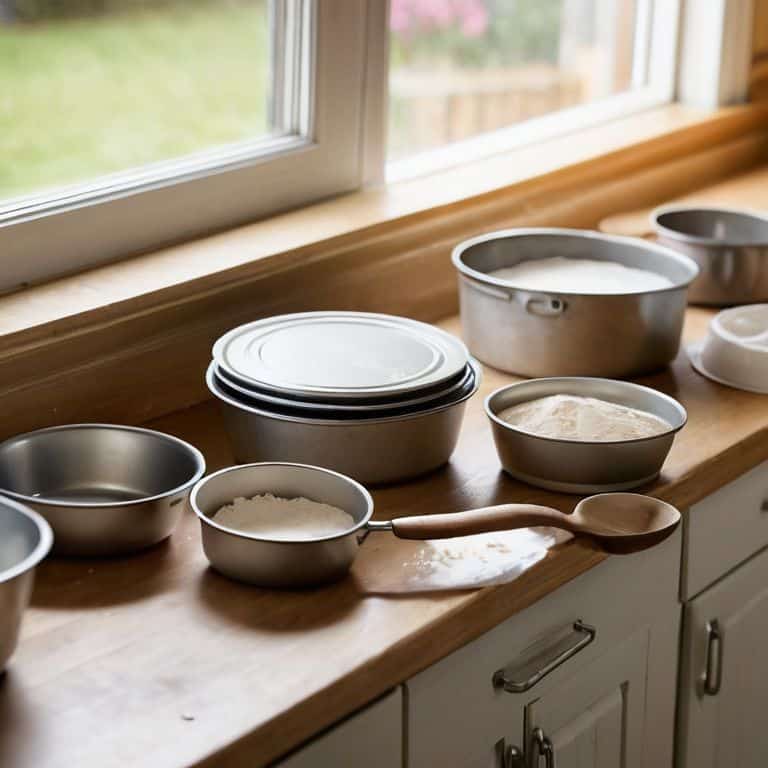
- Cake Pans various sizes (e.g., 6 inches, 8 inches, 9 inches round or 9 inches x 13 inches rectangular)
- Recipe Book (for referencing standard cake recipes)
Step-by-Step Instructions
- 1. First, let’s get started by understanding the importance of cake pan size. It’s crucial to choose the right size to ensure your cake bakes evenly and turns out light and fluffy. I’ve seen many bakers struggle with this, and it’s often due to using a pan that’s too small or too large for the recipe. To avoid this, take a moment to review your recipe and determine the recommended pan size.
- 2. Next, consider the type of cake you’re making. Different types of cakes require different pan sizes. For example, a dense fruit cake may require a smaller pan than a light and airy sponge cake. Make a note of the type of cake you’re making and the recommended pan size to ensure you’re on the right track.
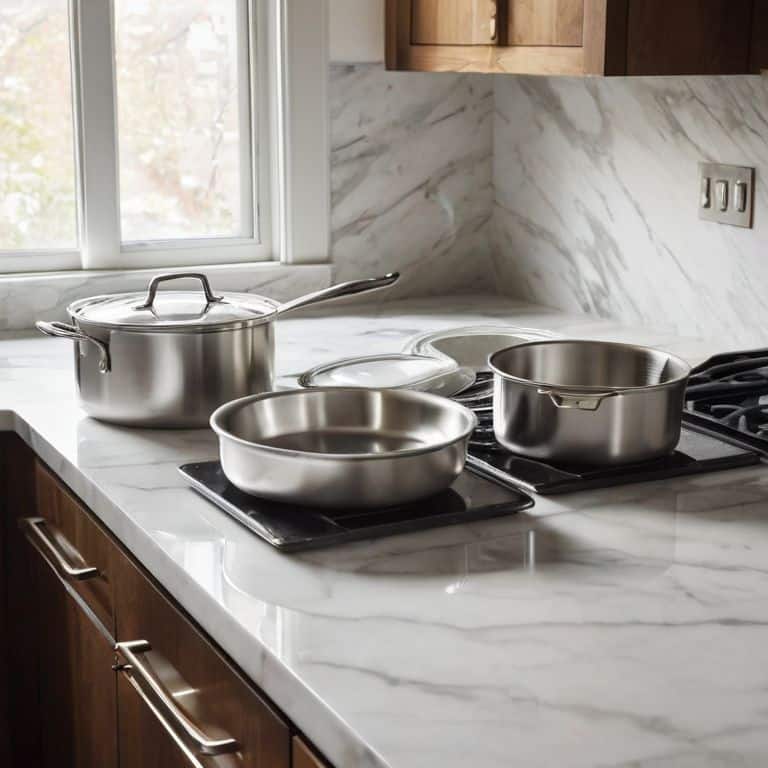
- 3. Now, let’s talk about pan materials. The material of your cake pan can affect the baking time and overall quality of your cake. I’ve tested pans made from various materials, including aluminum, stainless steel, and non-stick coatings. Each material has its pros and cons, so it’s essential to choose a pan that suits your baking style and the type of cake you’re making.
- 4. To choose the right cake pan size, you’ll need to calculate the volume of the pan. This can be a bit tricky, but don’t worry, I’ve got you covered. Simply measure the length, width, and height of the pan, and then calculate the volume using the formula: volume = length x width x height. This will give you an idea of the pan’s capacity and help you determine if it’s the right size for your recipe.
- 5. Once you’ve calculated the volume of the pan, compare it to the recipe’s batter volume. Make sure the pan is large enough to hold the batter, but not so large that it affects the cake’s texture and structure. A good rule of thumb is to fill the pan about 2/3 to 3/4 of the way full. This will give the batter enough room to rise and expand during baking.
- 6. Now, let’s consider the pan’s depth and how it affects the cake’s baking time. A deeper pan will require a longer baking time, while a shallower pan will require a shorter time. Keep this in mind when choosing your pan, and adjust the baking time accordingly. I’ve found that a pan with a depth of around 2-3 inches is ideal for most cake recipes.
- 7. Finally, think about the ease of release when choosing a cake pan. You want a pan that will allow your cake to release easily and cleanly, without sticking or breaking. Look for pans with a non-stick coating or a durable finish that will make release a breeze. I’ve tested many pans, and I can attest that a good non-stick coating can make all the difference in the world.
A Guide to Choosing Right Cake Pan Size
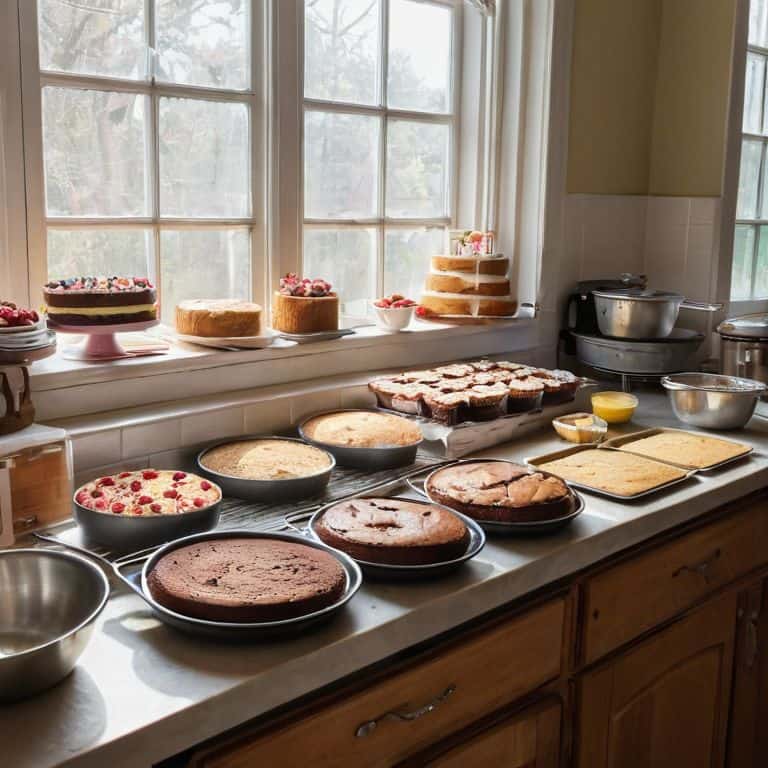
As I delve into the world of cake pan sizes, I’ve come to realize that precision is key. When it comes to achieving the perfect bake, using the right size pan is crucial. I’ve developed a cake pan conversion chart to help you navigate the different sizes and ensure that your cakes turn out light and fluffy. This chart has been a lifesaver in my own kitchen, and I’m excited to share it with you.
One of the most common mistakes I see home bakers make is not adjusting their recipe for different pan sizes. This can result in cakes that are overcooked or undercooked, which can be frustrating and disappointing. To avoid this, I recommend using a layer cake baking tips guide to help you adjust your recipe accordingly. Additionally, considering the standard cake pan sizes will help you choose the right pan for your needs.
When it comes to choosing between round vs square cake pans, it ultimately comes down to personal preference. However, if you’re looking to serve a large crowd, a square pan may be the better option. To determine the perfect serving size, I recommend using a cake serving size calculator to ensure that everyone gets a slice. By following these tips and using the right cake pan size, you’ll be well on your way to baking delicious cakes that are sure to impress.
Decoding Cake Pan Conversion Chart Secrets
When it comes to converting recipes, a reliable cake pan conversion chart is essential. I’ve spent years perfecting my own chart, taking into account the nuances of different pan materials and shapes. By understanding how to accurately convert between pan sizes, you’ll be able to adapt your favorite recipes with confidence. My chart takes into account the volume and surface area of each pan, ensuring that your cakes turn out perfectly, regardless of the size.
I’ve tested my conversion chart with a variety of recipes, from classic vanilla to decadent chocolate. The results have been consistently impressive, with cakes that are evenly baked and perfectly textured. By using my chart, you’ll be able to unlock the secrets of cake pan conversion and take your baking to the next level.
Layer Cake Baking Tips for Perfect Sizes
When it comes to layer cake baking, choosing the right pan size is crucial for achieving uniform layers. I’ve found that using pans that are too small can result in domed or uneven layers, while pans that are too large can lead to thin, dense cakes. To get it just right, I recommend using a combination of 8-10 inch pans for most standard layer cake recipes. This size range allows for a generous crumb and a smooth, even rise.
By investing in a set of high-quality, identical pans, you’ll be able to ensure that each layer bakes consistently, making it easier to stack and frost your cake. Trust me, the extra cost is worth it – I’ve tested countless pans in my kitchen and seen the difference it makes in the final product.
Pan Size Perfection: 5 Expert Tips to Get You Started
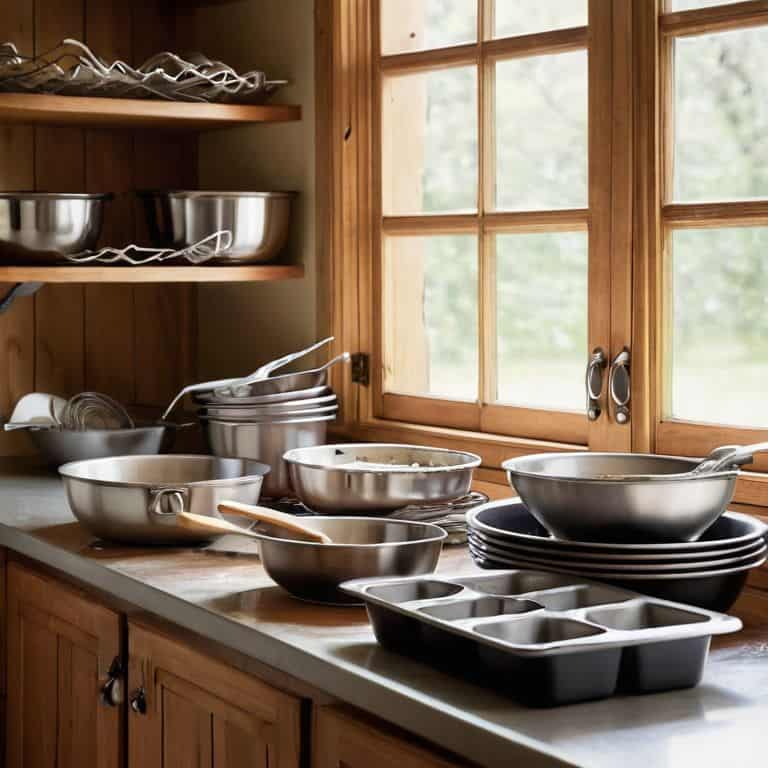
- Consider the recipe: Consider the type and amount of batter, as well as the desired texture and crumb, to choose the right pan size for your cake
- Think about the shape: Round, square, or rectangular – each shape has its own unique characteristics and uses, so choose a pan that fits your baking style
- Don’t forget the depth: A deeper pan can help with even baking and prevent overflow, but make sure it’s not so deep that it affects the cake’s texture
- Account for rise: Different types of cakes rise at different rates, so choose a pan that gives your cake room to grow without overflowing
- Test and adjust: As with any baking endeavor, practice makes perfect – don’t be afraid to experiment with different pan sizes and adjust as needed to find your ideal combination
Key Takeaways for Choosing the Right Cake Pan Size
Always consider the type of cake you’re baking and the number of servings you need when selecting a cake pan size to ensure the perfect balance between texture and presentation
Mastering the art of cake pan conversion is crucial for achieving consistent results, and having a reliable conversion chart handy can save you from common baking mishaps
By choosing the right cake pan size and following tried-and-true layer cake baking tips, you’ll be well on your way to creating professional-looking and deliciously moist cakes that impress family and friends alike
The Key to Perfect Cakes
Choosing the right cake pan size is not just about measurements, it’s about mastering the delicate balance between structure and texture – get it right, and you’ll be rewarded with a culinary masterpiece that’s sure to impress.
David Grant
The Perfect Bake: A Conclusion
As we’ve navigated the world of cake pan sizes, it’s clear that choosing the right size is crucial for a perfect bake. From decoding conversion charts to mastering layer cake techniques, each step is essential for achieving that flawless, tender crumb. By following the guide and considering factors like recipe yield and desired cake height, you’ll be well on your way to becoming a cake baking master. Remember, it’s all about finding that sweet spot where your cake is perfectly cooked and your presentation is impeccable.
So, the next time you’re tempted to grab any old pan, take a moment to consider the impact it could have on your bake. With a little practice and patience, you’ll be whipping up show-stopping cakes like a pro. Always keep in mind that quality matters, and investing in the right tools will make all the difference in your baking journey. Happy baking, and I look forward to sharing more tips and tricks with you in the future!
Frequently Asked Questions
What are the most common cake pan sizes and when should I use each one?
For most home bakers, I recommend having a few essential cake pan sizes on hand: 8-inch, 9-inch, and 10-inch rounds. The 8-inch is perfect for smaller gatherings, while the 9-inch is my go-to for classic layer cakes. The 10-inch is ideal for larger celebrations or if you want a more dramatic presentation.
How do I convert a recipe from one cake pan size to another without affecting the final result?
To convert a recipe, I rely on a trusted cake pan conversion chart. Simply match the original pan size to the desired size, and adjust the ingredient quantities accordingly. I’ve tested this method countless times, and it’s a game-changer for achieving perfect results, every time.
Can I use a cake pan size that's not traditionally used for a specific type of cake, such as using a square pan for a round cake recipe?
While it’s technically possible to use a non-traditional pan size, I’ve found that deviating from the recipe’s intended dimensions can affect texture and structure. For example, using a square pan for a round cake recipe may result in uneven baking and a denser crumb. If you do experiment, keep a close eye on baking time and temperature to avoid disappointing results.