As I stepped into the cozy bakery on Sunday morning, I couldn’t help but notice the art of presentation that made each dessert a masterpiece. I’ve always been fascinated by the way a skilled pastry chef can elevate a simple treat into a work of art, and I’ve spent countless hours learning the secrets of how to plate a dessert like a pastry chef. It’s amazing how a few simple tricks can transform a mundane dessert into a stunning creation that’s almost too beautiful to eat. I remember spending hours as a young photographer, capturing the stories of small bakeries and pastry chefs, and being constantly inspired by their passion and creativity.
In this article, I’ll share my own experiences and tips on how to plate a dessert like a pastry chef, from the importance of balance and harmony to the simple tricks that can make your creations stand out. You’ll learn how to choose the right ingredients, arrange them in a way that tells a story, and add those final touches that make your dessert truly special. Whether you’re a professional baker or just a hobbyist, I promise that these practical tips will help you take your dessert game to the next level and create stunning treats that will impress anyone. So, let’s dive in and explore the world of dessert plating, and discover the secrets that will make your creations truly unforgettable.
Table of Contents
- Guide Overview: What You'll Need
- Step-by-Step Instructions
- Plating Desserts Like a Pro
- The Pastry Chef's Plating Palette: 5 Essential Tips to Elevate Your Dessert Game
- Key Takeaways for Plating Desserts Like a Pro
- The Art of Presentation
- The Sweet Finale: Bringing It All Together
- Frequently Asked Questions
Guide Overview: What You'll Need
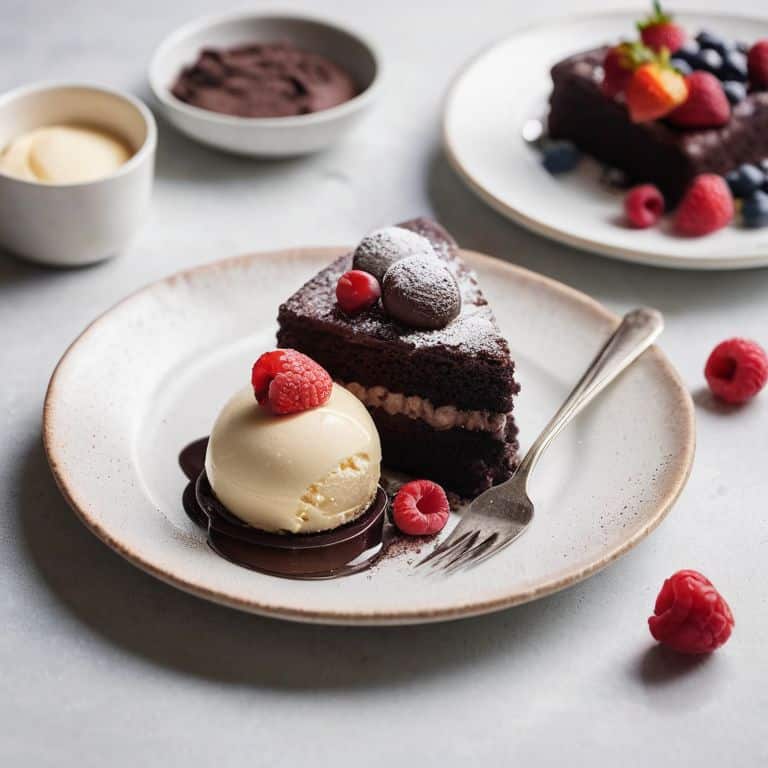
Total Time: 1 hour 15 minutes
Estimated Cost: $15 – $30
Difficulty Level: Intermediate
Tools Required
- Pastry Brush (for egg wash or melted chocolate)
- Piping Bag (with small and large tips)
- Offset Spatula (for smoothing and spreading)
- Serving Spoon (for portioning desserts)
- Garnish Tongs (for placing garnishes)
Supplies & Materials
- Dessert Plates (white or colored, 6 inches in diameter)
- Fresh Fruits (such as berries, citrus, or stone fruits)
- Nuts or Cookies (for added texture and crunch)
- Caramel or Chocolate Sauce (for drizzling)
- Edible Flowers or Leaves (for garnish)
Step-by-Step Instructions
- 1. First, start with a clean canvas, which in this case is your plate. I like to think of it as a blank page waiting for a story to be told. Choose a plate that complements the colors and textures of your dessert, and make sure it’s spotless. A simple white or cream-colored plate is always a safe bet, but don’t be afraid to get creative with patterns and designs.
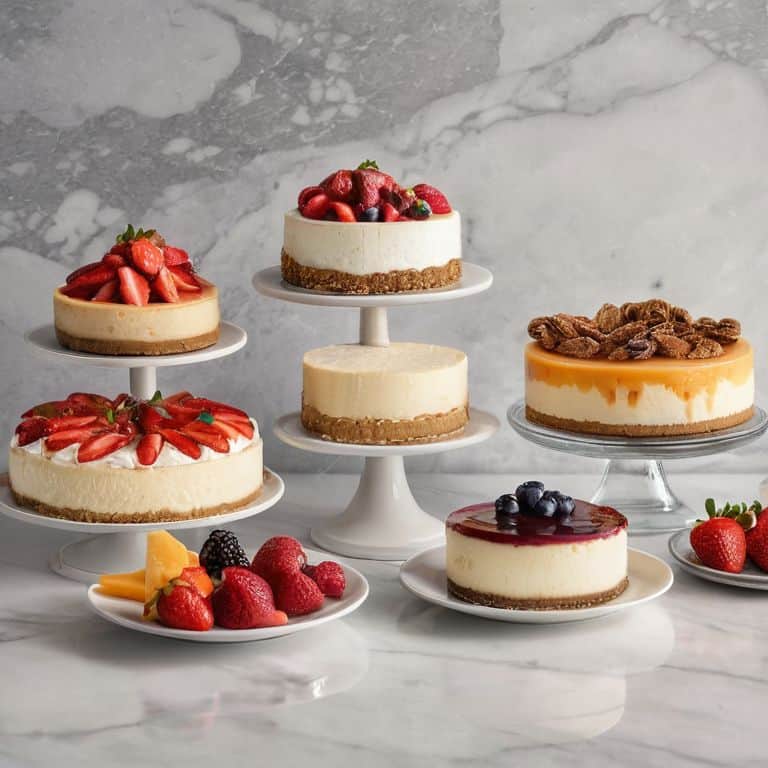
- 2. Next, consider the visual flow of your dessert. You want to create a sense of balance and harmony on the plate. Think about the shapes, sizes, and colors of the different components, and how they will work together to create a visually appealing whole. For example, if you’re plating a round dessert like a cake or a tart, you might want to balance it with some angular elements like nuts or cookies.
- 3. Now it’s time to add the main event: your dessert. Place it on the plate with confidence, but don’t be afraid to adjust it as needed to get the composition just right. Remember, the goal is to create a beautiful, Instagram-worthy presentation that will make people want to dig in. If you’re plating a messy dessert like a sundae or a parfait, don’t worry too much about perfection – the imperfections can actually add to the charm.
- 4. With your dessert in place, it’s time to add some supporting actors. This might include sauces, syrups, or other toppings that will add flavor and texture to the dish. Drizzle them artfully over the dessert, or use a spoon to create a pattern on the plate. The key is to have fun and be creative – there’s no one “right” way to do it.
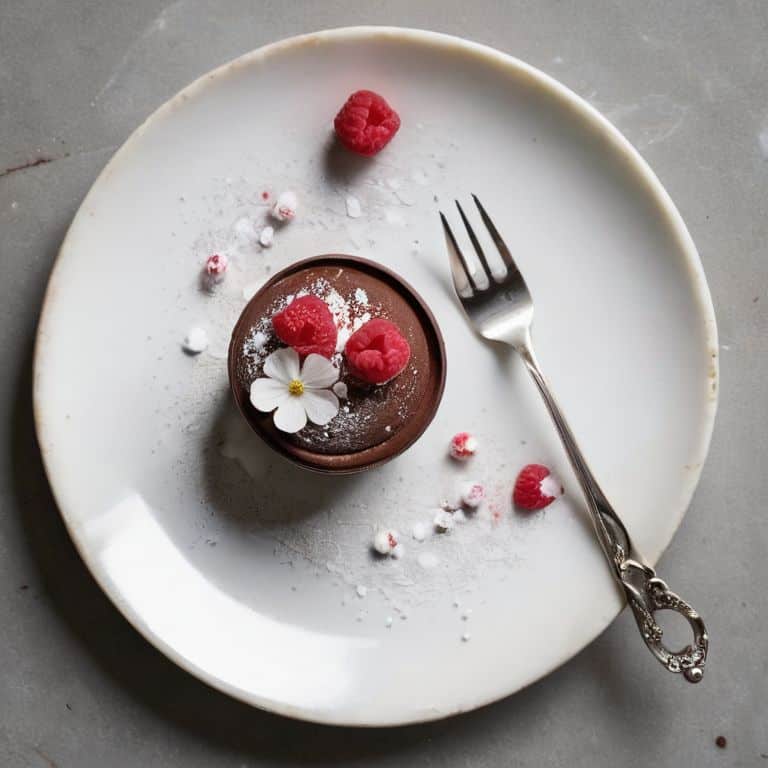
- 5. Next up, add some freshness to the plate with a sprinkle of herbs or a few fresh flowers. This will not only add a pop of color, but also a bright, fresh flavor that will cut through the richness of the dessert. I like to use edible flowers like violas or pansies, but a sprig of rosemary or a few leaves of mint will also do the trick.
- 6. Now it’s time to think about height and dimension. You want to create a sense of layers and texture on the plate, so consider adding some elements that will add depth and visual interest. This might include a sprinkle of crushed nuts or cookies, a few pieces of candy, or even a small cookie or pastry. The key is to create a sense of surprise and delight.
- 7. Finally, step back and admire your handiwork. Take a step back from the plate and evaluate the composition. Make any necessary adjustments to get the balance and harmony just right. And then – the best part – get ready to share your beautiful creation with the world. Whether you’re serving it to friends and family or posting it on social media, remember to have fun and enjoy the process of creating something truly special.
Plating Desserts Like a Pro
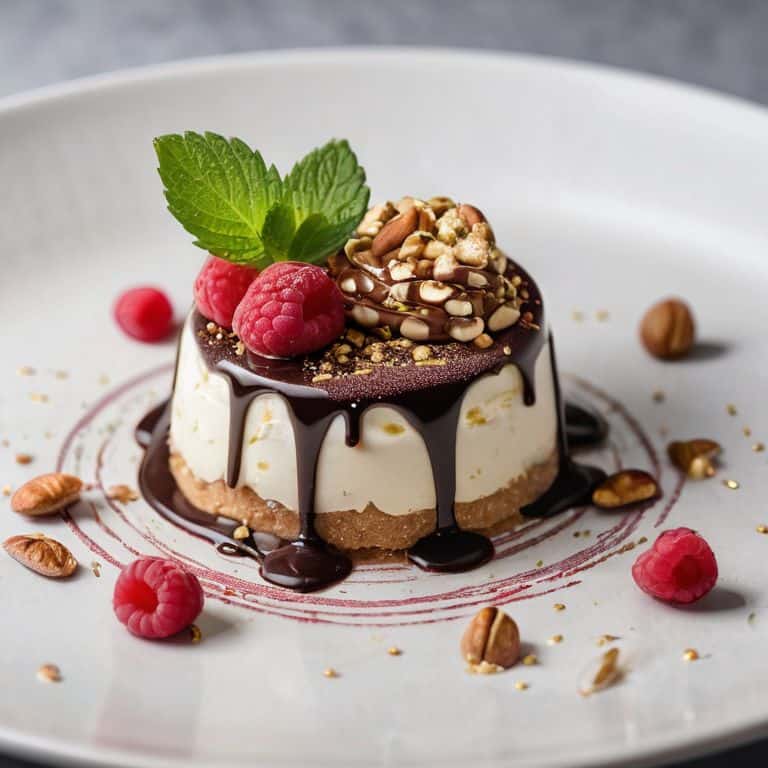
As I delve into the world of pastry chefs, I’m constantly amazed by their attention to detail when it comes to modern dessert presentation ideas. It’s not just about placing a few ingredients on a plate, but rather creating a visual story that complements the flavors and textures of the dessert. I recall a visit to a local bakery, where the pastry chef shared with me the art of balance and harmony in dessert design. The way they balanced warm and cool colors, and combined smooth and rough textures, was truly inspiring.
When it comes to adding the final touches, pastry chef garnishing techniques play a crucial role. A sprinkle of fresh herbs, a drizzle of dessert sauce recipes for plating, or a delicate edible flower can elevate the presentation from ordinary to extraordinary. I’ve also learned that color theory in dessert composition is essential in creating a visually appealing dish. By understanding how different colors interact with each other, pastry chefs can create a harmonious and inviting presentation that tempts the taste buds.
To take your dessert plating to the next level, remember to avoid common mistakes in dessert plating, such as over-accessorizing or neglecting the negative space on the plate. By striking a balance between simplicity and creativity, you can create a stunning presentation that showcases your dessert in the best possible light. With practice and patience, you’ll be well on your way to creating beautiful dessert designs that are almost too pretty to eat.
Modern Dessert Presentation Ideas
As I delve into the world of modern dessert presentation, I’m struck by the creativity and innovation that’s redefining the art. Today’s pastry chefs are pushing boundaries, combining unexpected flavors and textures to create visually stunning masterpieces. I’ve had the privilege of witnessing this firsthand at some of the most renowned bakeries, where chefs are using edible flowers, microgreens, and even artisanal chocolates to add an extra layer of depth to their creations.
From deconstructed desserts to intricate sugar work, the possibilities are endless. I’ve seen pastry chefs use negative space to create a sense of elegance, while others employ bold colors and patterns to add a pop of personality to their plates. The key to modern dessert presentation is balance – finding that perfect harmony between flavor, texture, and visual appeal.
Pastry Chef Garnishing Techniques
As I watch pastry chefs at work, I’m always fascinated by the flourish of their garnishing techniques. A sprinkle of powdered sugar, a delicate drizzle of chocolate, or a sprinkle of fresh herbs can elevate a dessert from beautiful to breathtaking. I’ve seen chefs use edible flowers, microgreens, and even candied fruits to add pops of color and texture to their creations. These small touches not only add visual appeal but also tell a story about the dessert’s flavors and inspiration.
By experimenting with different garnishes, I’ve discovered that the right touch can make a dessert feel truly special. Whether it’s a simple sprinkle of cinnamon or a intricate design made from pulled sugar, the art of garnishing is a chance for pastry chefs to showcase their creativity and attention to detail. As I continue to explore the world of pastry arts, I’m excited to learn more about the techniques and traditions that go into crafting these beautiful, edible masterpieces.
The Pastry Chef's Plating Palette: 5 Essential Tips to Elevate Your Dessert Game
- Balance and harmony are key: consider the visual weight of each element, from the main dessert to the garnishes, to create a composition that’s both pleasing to the eye and appetizing
- Select a color palette that complements the dessert’s ingredients and the occasion, ranging from monochromatic elegance to vibrant, playful contrasts
- Texture plays a crucial role in plating: combine smooth, crunchy, and soft elements to add depth and tactile interest to the dish
- Garnishes are more than just a sprinkle of herbs or a few fresh berries – they can add fragrance, flavor, and a pop of color; choose them thoughtfully to enhance the overall experience
- Restraint is a virtue: sometimes, the most powerful plating is the one that says the least, allowing the beauty of the dessert itself to shine through, uncluttered by unnecessary embellishments
Key Takeaways for Plating Desserts Like a Pro
I’ve learned that the art of plating desserts is not just about aesthetics, but about telling a story that complements the flavors and textures of each component, as I’ve seen in my visits to local bakeries and farmers’ markets
By embracing modern dessert presentation ideas, such as balancing colors and heights, and incorporating fresh elements like edible flowers or microgreens, anyone can elevate their dessert game and make it truly special, just like the pastry chefs I’ve interviewed for my blog
Mastering pastry chef garnishing techniques, from simple yet elegant drizzles of sauce to intricate designs made from pulled sugar or chocolate, can add a professional touch to any dessert, and I’m excited to continue experimenting with these techniques in my own kitchen and sharing my discoveries with you
The Art of Presentation
Plating a dessert is not just about putting ingredients on a plate, it’s about crafting a story that unfolds with each bite, a symphony of textures, colors, and flavors that leave a lasting impression on the palate and the soul.
David Dunne
The Sweet Finale: Bringing It All Together
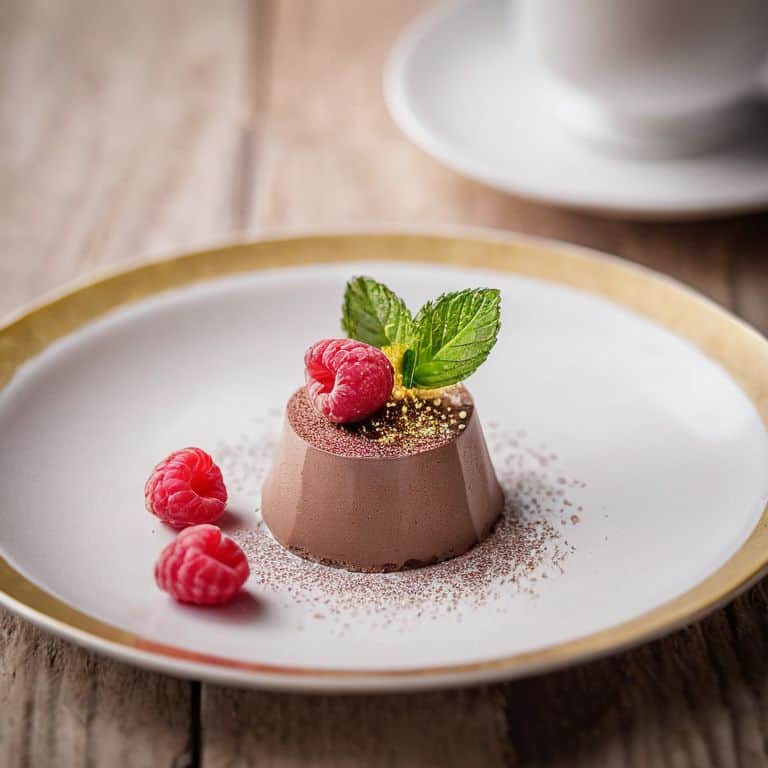
As I reflect on the art of plating desserts like a pastry chef, I’m reminded that it’s all about balance and harmony. From the initial steps of selecting the perfect dessert to the final flourish of garnishing, every element plays a crucial role in creating a visually stunning and delectable treat. We’ve explored the importance of color, texture, and composition in modern dessert presentation, as well as the expert techniques employed by pastry chefs to elevate their creations. By mastering these skills and staying true to your personal style, you’ll be well on your way to crafting desserts that are almost too beautiful to eat.
As you continue on your own journey of culinary discovery, I encourage you to experiment and innovate, pushing the boundaries of what’s possible with dessert presentation. Remember, the art of plating is a form of self-expression, and the most stunning creations are those that reflect the passion and personality of their creator. So don’t be afraid to get creative, try new things, and make mistakes – for it’s in these moments of experimentation that we often uncover our most brilliant ideas and unique voice.
Frequently Asked Questions
What are some common mistakes to avoid when plating a dessert like a pastry chef?
As I’ve learned from watching pastry chefs at work, one of the biggest mistakes is over-accessorizing – too many garnishes can overwhelm the dish. Keep it simple, let the dessert be the star, and balance flavors and textures with restraint, just like a perfectly crafted sourdough.
How can I balance flavors and textures when choosing garnishes for my desserts?
For me, balancing flavors and textures in garnishes is all about harmony. I like to think of it as a sensory dance – a sprinkle of crunchy nuts, a drizzle of velvety chocolate, or a burst of freshness from a mint leaf can elevate a dessert from ordinary to extraordinary.
What are some creative ways to use edible flowers or microgreens to add a pop of color to my dessert presentations?
I adore using edible flowers like violas or pansies to add a whimsical touch, while microgreens like pea shoots or radish greens bring a peppery crunch and vibrant hue – simply place them on top of your dessert or use as a garnish to create a stunning, Instagram-worthy presentation.