I still remember the first time I saw a cake adorned with edible flowers – it was love at first sight, and I’ve been hooked on using them to add a pop of color and personality to my bakes ever since. As I delved deeper into the world of cake decorating, I realized that many people were intimidated by the idea of working with edible flowers, thinking it was a complicated and tedious process. But the truth is, with the right guidance, anyone can create stunning floral masterpieces. That’s why I’m excited to share with you a guide to edible flowers for decorating cakes, a comprehensive resource that will walk you through the process of selecting, preparing, and arranging edible flowers to create breathtaking cakes.
In this article, I promise to share my honest and practical advice on how to work with edible flowers, from the basics of edible flower selection to the art of creating intricate designs. You’ll learn how to choose the right flowers for your cake, how to prepare them for decorating, and how to arrange them in a way that adds a touch of elegance and whimsy to your bakes. Whether you’re a beginner or an experienced baker, this guide to edible flowers for decorating cakes will provide you with the inspiration and know-how you need to take your cake decorating skills to the next level. So, let’s dive in and explore the wonderful world of edible flowers together!
Table of Contents
- Guide Overview: What You'll Need
- Step-by-Step Instructions
- A Guide to Edible Flowers for Decorating Cakes
- Petals of Perfection: 5 Tips for Mastering Edible Flower Cake Decorations
- Key Takeaways: Bringing Floral Beauty to Your Cakes
- The Poetry of Petals
- Beyond the Petals: A Lasting Impression
- Frequently Asked Questions
Guide Overview: What You'll Need
Total Time: 1 hour 15 minutes
Estimated Cost: $10 – $30
Difficulty Level: Easy
Tools Required
- Gardening scissors (for cutting flower stems)
- Small paintbrush (for applying edible glue)
- Cake turntable (optional)
Supplies & Materials
- Edible flowers (e.g., violas, pansies, lavender)
- Cake or cupcakes
- Edible glue or piping gel
- Fresh greenery (e.g., mint, rosemary) (optional)
- Confectioners sugar (for dusting)
Step-by-Step Instructions
- 1. To start, you’ll need to select the right edible flowers for your cake decorating project. This involves considering the flavor, texture, and color of the flowers, as well as any potential allergies or sensitivities. I like to think of this step as the foundation of my design, where I get to choose the stars of the show.
- 2. Once you’ve chosen your edible flowers, it’s time to prepare them for use. This typically involves gently rinsing the flowers with water to remove any dirt or debris, and then patting them dry with a paper towel to prevent excess moisture from affecting the cake. It’s a delicate process, but one that’s essential for creating a beautiful, long-lasting design.
- 3. Next, you’ll need to create a design plan for your cake. This might involve sketching out a rough idea of where you want to place each flower, or simply having a clear idea of the overall look you’re aiming for. I find that having a plan in place helps me to stay focused and ensure that my design turns out as envisioned.
- 4. With your design plan in place, it’s time to start decorating the cake. This usually begins with applying a thin layer of buttercream or frosting to the cake, which will serve as the “glue” for your edible flowers. Be sure to use a high-quality frosting that will hold its shape and provide a smooth surface for your flowers.
- 5. Now it’s time to add the edible flowers to your cake. This is the most fun part of the process, as you get to see your design come to life. Start by placing the largest or most prominent flowers first, and then fill in the gaps with smaller flowers and greenery. Don’t be afraid to experiment and try out different arrangements until you find one that you like.
- 6. As you’re adding the edible flowers, be sure to handle them gently to avoid damaging their delicate petals. It’s also a good idea to use a small amount of frosting or piping gel to attach each flower to the cake, rather than simply placing them on top. This will help them to stay in place and prevent them from falling off.
- 7. Once you’ve added all of the edible flowers to your cake, take a step back and evaluate your design. Make any necessary adjustments to the placement or arrangement of the flowers, and add any final touches, such as a sprinkle of dust or a few fresh leaves. This is your last chance to make any changes before the cake is finished, so don’t be afraid to get creative and try out new things.
A Guide to Edible Flowers for Decorating Cakes
As I delve deeper into the world of edible flower varieties for cakes, I’m constantly amazed by the versatility and beauty they bring to any dessert. One of my favorite techniques is cake decorating with fresh flowers, which adds a delicate, whimsical touch to any celebration. I’ve had the pleasure of experimenting with various organic edible flower farms, and the quality of their blooms is truly exceptional.
When it comes to creating stunning sugar flower arrangements for weddings, I believe that freezing edible flowers for year-round use is a game-changer. This technique allows bakers to preserve the beauty of fresh flowers and incorporate them into their designs, even when they’re out of season. By freezing edible flowers, bakers can ensure a consistent supply of high-quality blooms, making it easier to plan and execute intricate designs.
To take your baking to the next level, consider exploring edible flower infusion in desserts. This technique involves infusing the delicate flavors and aromas of edible flowers into desserts, creating unique and captivating flavor profiles. By combining edible flowers with traditional baking ingredients, you can create truly one-of-a-kind desserts that will leave a lasting impression on your guests.
Beyond Buttercream Edible Flower Varieties
As I delve into the world of edible flowers, I’m constantly amazed by the diversity of varieties that can elevate a cake from ordinary to extraordinary. From the delicate petals of violas and pansies to the more robust flavors of lavender and rose petals, each flower brings its unique character to the table. I recall a visit to a local bakery where they used rose petals to create a stunning ombre effect on a wedding cake – it was breathtaking.
My experimentation with edible flowers has led me to appreciate the subtle nuances of each variety. Nasturtiums, with their peppery flavor, add a surprising kick, while marigolds contribute a bright, sunny disposition to any bake. The possibilities are endless, and I’m excited to continue exploring the world of edible flowers, discovering new favorites and learning how to pair them with complementary flavors to create truly show-stopping desserts.
Freezing Flowers for Year Round Cake Beauty
As I delved deeper into the world of edible flowers, I discovered the magic of freezing them to preserve their delicate beauty. This technique has become a game-changer for me, allowing me to adorn my cakes with vibrant blooms even in the dead of winter. By gently rinsing and patting dry the flowers, I can then place them in a single layer on a baking sheet, popping them into the freezer until they’re frozen solid. Once frozen, I transfer them to airtight containers or freezer bags, ready to be used whenever inspiration strikes.
I’ve found that freezing edible flowers not only extends their season but also helps retain their color and texture, making them almost indistinguishable from fresh ones. This simple yet ingenious technique has opened up a world of possibilities for my cake decorating, and I’m excited to experiment with new designs and combinations throughout the year.
Petals of Perfection: 5 Tips for Mastering Edible Flower Cake Decorations
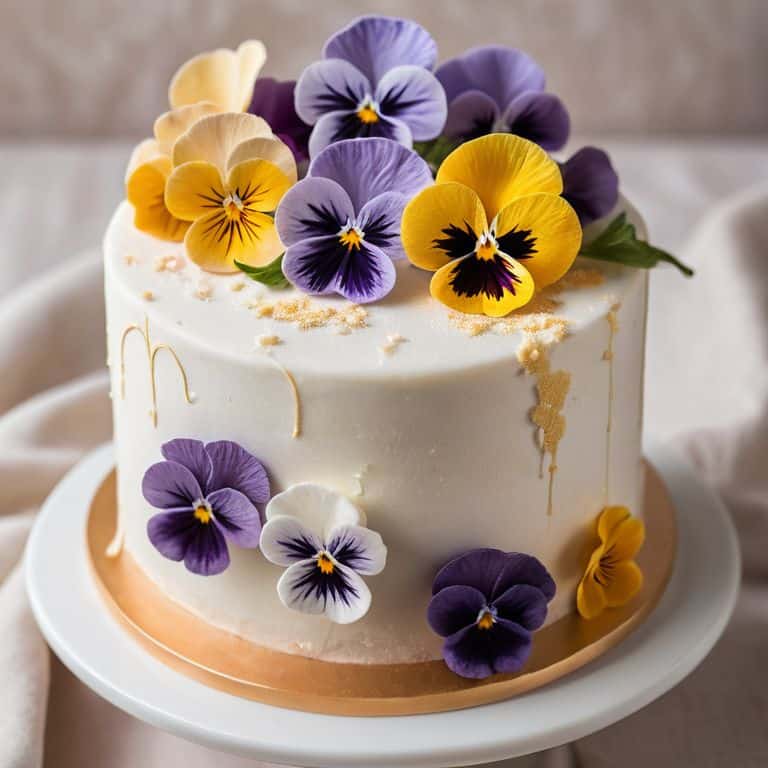
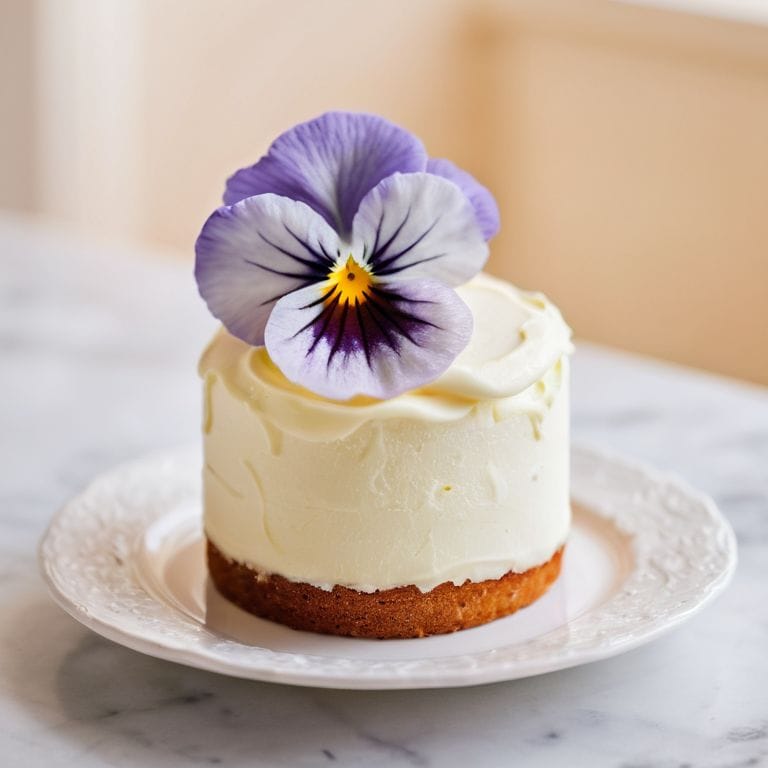
- I still recall the first time I used violas to adorn a cake – the delicate, purple hue added an air of whimsy that left everyone in awe, and now I always keep a stash of these charming flowers in my kitchen
- Freezing edible flowers is an art form in itself, requiring patience and a gentle touch to preserve their beauty; I’ve found that using airtight containers and a blast freezer yields the best results for year-round cake decorations
- When selecting edible flowers, consider the flavor profile you want to achieve – for instance, roses and lavender lend a romantic, floral note, while citrus blossoms provide a bright, sunny twist
- To create a visually stunning arrangement, don’t be afraid to experiment with contrasting colors and textures; I love pairing delicate, lacy flowers like Queen Anne’s lace with bold, velvety petals like pansies
- Perhaps the most crucial tip I’ve learned is to handle edible flowers with care, as their fragile petals can bruise easily; gently washing and drying them before use, and applying them to the cake just before serving, ensures they retain their beauty and charm
Key Takeaways: Bringing Floral Beauty to Your Cakes
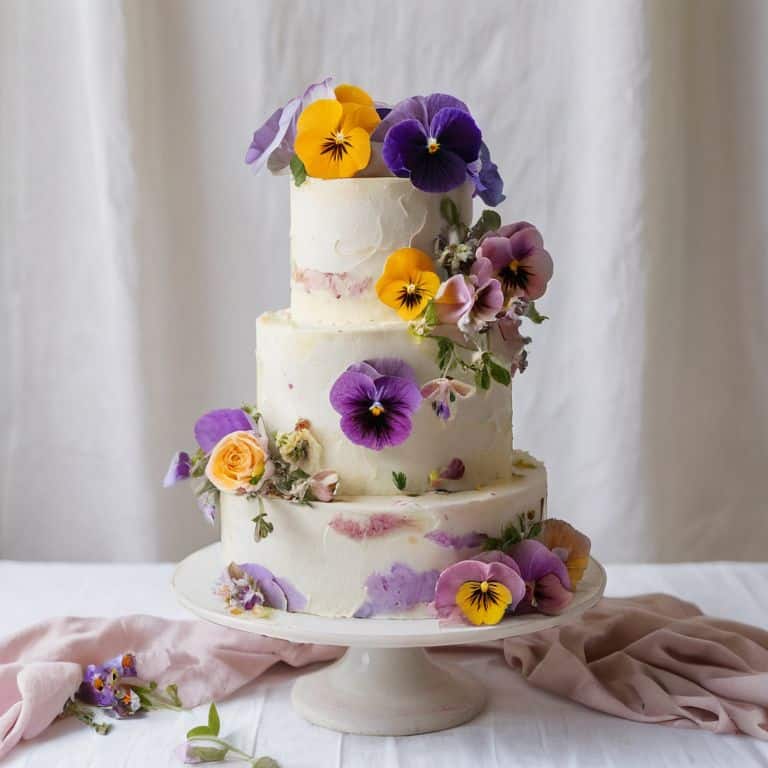
I’ve learned that the art of using edible flowers for cake decorating is not just about adding a delicate touch, but also about telling a story through the careful selection and placement of each petal, much like the first time I saw a cake adorned with violas and pansies at a local bakery
Freezing edible flowers can be a game-changer for bakers, allowing us to capture the essence of seasonal blooms and incorporate them into our creations year-round, as I discovered when I experimented with frozen rose petals in a winter wedding cake
Beyond the technical aspects of working with edible flowers, it’s the emotional connection and personal touch they bring to a cake that truly makes them special, whether it’s a bespoke wedding cake or a simple Sunday afternoon dessert, as I’ve seen time and time again in my visits to local farmers’ markets and bakeries
The Poetry of Petals
For me, decorating a cake with edible flowers is like telling a story in whispers – each petal and hue adds a layer of meaning, transforming a simple dessert into a living, breathing work of art that speaks directly to the soul.
David Dunne
Beyond the Petals: A Lasting Impression
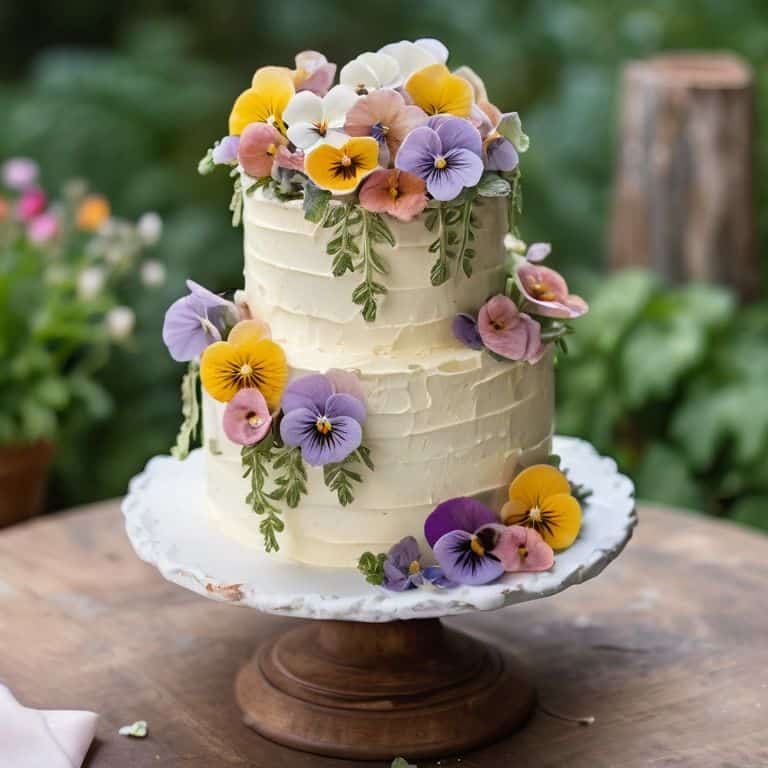
As I reflect on our journey through the world of edible flowers for decorating cakes, I’m reminded of the beauty and simplicity that these delicate petals bring to our bakes. From the initial introduction to the various types of edible flowers, to the step-by-step guide on how to use them, and finally to the tips on freezing flowers for year-round cake beauty, it’s clear that experimenting with edible flowers can elevate any cake to a true masterpiece. Whether you’re a seasoned baker or just starting out, I hope this guide has inspired you to get creative and try something new.
As you embark on your own edible flower journey, I want to leave you with a final thought: the art of cake decorating is a form of self-expression, and using edible flowers is a wonderful way to add a personal touch to your creations. So don’t be afraid to get imaginative, try new combinations, and most importantly, have fun with the process – after all, that’s what baking is all about.
Frequently Asked Questions
What are some common mistakes to avoid when using edible flowers for cake decorating?
As I’ve learned from fellow bakers, common mistakes to avoid include using flowers with high water content, which can make the cake soggy, and not properly cleaning the flowers before use. Also, be mindful of the flowers’ delicate petals, as they can bruise easily, affecting the overall appearance of your masterpiece.
How do I ensure the edible flowers I use are safe for consumption and free of pesticides?
When it comes to edible flowers, safety is paramount. I always source mine from organic farms or my own garden, where I can control what goes into the soil. You can also talk to your local farmers at the market – they’ll often have beautiful, chemical-free blooms perfect for decorating cakes.
Can I grow my own edible flowers at home for cake decorating, and if so, what are some tips for getting started?
I’ve had the pleasure of visiting home gardens where edible flowers bloom, and I can attest it’s a game-changer. Yes, you can grow your own – start with easy-to-grow varieties like violas, pansies, or nasturtiums, and make sure to use organic practices to ensure they’re safe for consumption.