I still remember the first time I witnessed a student’s cake collapse after taking it out of the oven. It was a stark reminder that how to properly cool a cake is just as crucial as the baking process itself. Many of us have been led to believe that cooling a cake is simply a matter of letting it sit on the counter, but this couldn’t be further from the truth. In reality, the cooling process is a delicate balance of science and patience, where every minute counts.
As a Certified Master Baker with 20 years of experience, I’m excited to share my expertise with you on how to properly cool a cake. In this article, I’ll walk you through the step-by-step process of cooling your cake to perfection, from the initial cooling stage to the final presentation. You’ll learn the importance of controlling the environment and how to avoid common mistakes that can lead to a soggy or fallen cake. By the end of this guide, you’ll be equipped with the knowledge and confidence to cool your cakes like a pro, ensuring they stay fresh and delicious for days to come.
Table of Contents
Guide Overview: What You'll Need
Total Time: 2 hours 30 minutes
Estimated Cost: $0 – $10
Difficulty Level: Easy
Tools Required
- Wire Rack for cooling
- Oven Mitts for handling hot cakes
- Cake Tester or Toothpick for checking cake doneness
Supplies & Materials
- Cooling Tray or Flat Surface large enough to hold the cake
- Aluminum Foil or Parchment Paper for wrapping cake if needed
- Cake Turntable or Serving Plate for displaying the cooled cake
Step-by-Step Instructions
- 1. First, let’s get one thing straight – cooling a cake is not just about letting it sit on the counter. It’s a delicate process that requires patience and attention to detail. To start, remove the cake from the oven and let it cool in the pan for about 10 minutes. This initial cooling period allows the cake to set its structure, making it easier to handle and transfer to a cooling rack.
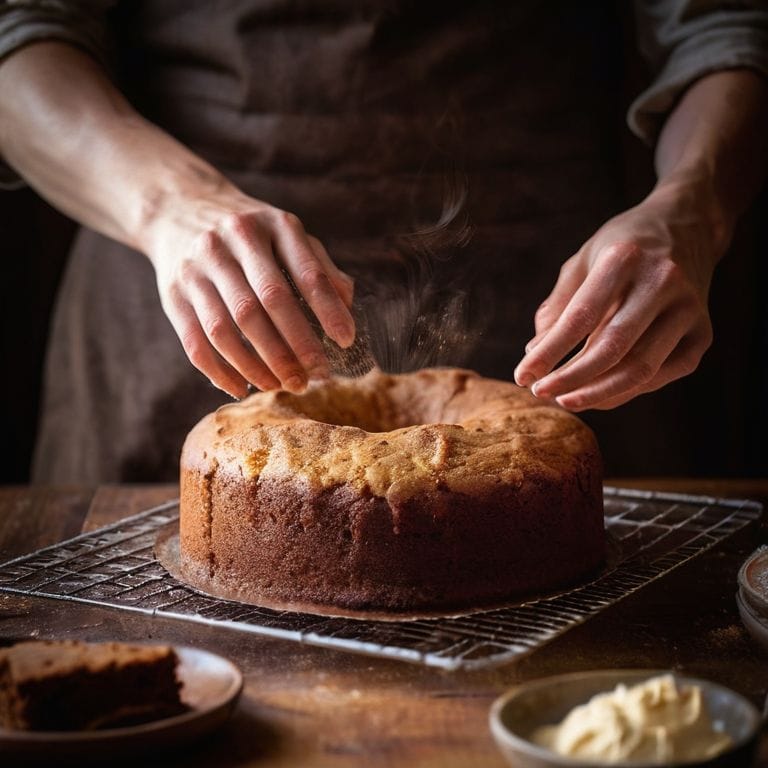
- 2. Next, transfer the cake to a cooling rack to allow air to circulate around it. This step is crucial in preventing the cake from becoming soggy or sticky. Gently place the cake on the rack, making sure not to touch or handle it excessively, as this can cause damage to the delicate crumb. If you’re using a particularly fragile or delicate cake, you may want to use a cake lifter or a piece of parchment paper to support it during the transfer.
- 3. Now, let the cake cool completely on the rack. This can take anywhere from 30 minutes to an hour, depending on the size and type of cake. It’s essential to be patient and resist the temptation to slice or serve the cake too soon. As the cake cools, it will continue to set and firm up, making it easier to handle and store. Keep an eye on the cake’s texture and appearance, as it should be completely cooled and free of any warmth or moisture.
- 4. Once the cake is completely cool, you can wrap it tightly in plastic wrap or aluminum foil to prevent it from drying out. This step is especially important if you plan to store the cake for an extended period. Make sure to wrap the cake snugly, but not too tightly, as this can cause the cake to become misshapen or develop off-flavors. If you’re using a particularly fragile or crumbly cake, you may want to use a layer of parchment paper or wax paper to protect it during storage.
- 5. If you’re planning to store the cake for a longer period, you may want to consider freezing it. To do this, place the wrapped cake in a freezer-safe bag or container, making sure to press out as much air as possible before sealing. Frozen cake can be stored for up to 3-4 months, and it’s a great way to preserve the cake’s texture and flavor. When you’re ready to serve, simply thaw the cake at room temperature or in the refrigerator.
- 6. Another important step in cooling a cake is to monitor its temperature. This is especially crucial if you’re planning to fill or frost the cake, as you’ll want to make sure it’s at room temperature to prevent the filling or frosting from melting or becoming too soft. You can use a thermometer to check the cake’s internal temperature, which should be around 70-75°F (21-24°C) for most types of cake.
- 7. Finally, once the cake is completely cooled and stored, you can begin to decorate or serve it. Remember to handle the cake gently and use a serrated knife to slice it, as this will help prevent the cake from tearing or crumbling. With these steps, you should be able to cool your cake like a pro, every time. Just remember to be patient, trust the process, and don’t rush the cooling time, as this can affect the final texture and appearance of your cake.
Mastering Cake Cooling Science
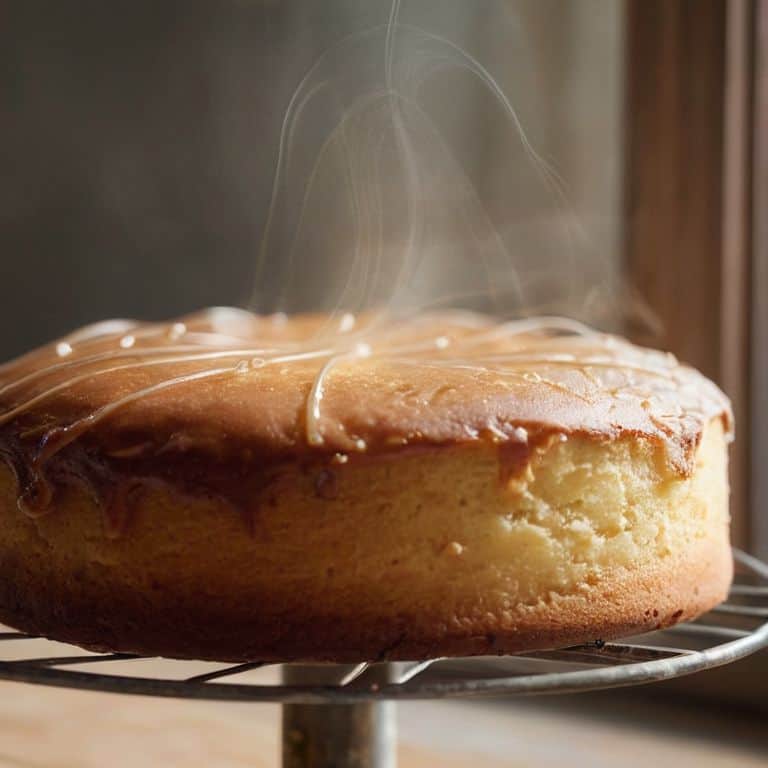
As we dive deeper into the world of cake cooling, it’s essential to understand the science behind cooling techniques. This involves more than just letting your cake sit on a wire rack. The process of cooling is where the magic happens, and by magic, I mean the continuation of the chemical reactions that started during baking. It’s crucial to control the environment to ensure your cake cools evenly and thoroughly.
One of the most common mistakes bakers make is rushing the cooling process. Speeding up the cake cooling process can lead to a soggy or unevenly cooled cake. To avoid this, it’s vital to be patient and let your cake cool completely. In humid environments, this can be particularly challenging, but there are ways to adapt. For instance, you can use a cooling rack with good airflow to help wick away moisture.
When it comes to cooling cakes in humid environments, the key is to maintain a stable temperature and humidity level. This can be achieved by using a dehumidifier or cooling your cake in an air-conditioned room. By mastering these cake cooling techniques, you’ll be able to achieve a perfectly cooled cake every time, which is essential for cake cooling and frosting tips. Remember, a well-cooled cake is the foundation of a beautifully frosted and decorated cake.
Common Mistakes in Cake Cooling Techniques
When it comes to cooling cakes, I’ve seen many students unintentionally sabotage their hard work. One common mistake is removing the cake from the pan too soon, causing it to break or crumble. Another error is not letting the cake cool completely, resulting in a soggy or sticky texture. I’ve also noticed that some bakers overlook the importance of air circulation, which can lead to uneven cooling and potentially cause the cake to become dry or develop off-flavors.
By being mindful of these potential pitfalls, you can refine your cake cooling technique and ensure a perfectly baked and cooled cake every time. Remember, patience is key, and taking the time to cool your cake properly will pay off in the end.
The Cooling Conundrum Science Over Magic
As we delve deeper into the world of cake cooling, it’s essential to understand that science plays a far more significant role than magic. The process of cooling a cake is not just about letting it sit, but rather about controlling the environment to prevent sogginess, promote even cooling, and preserve the cake’s texture. By grasping the fundamental principles of heat transfer and moisture evaporation, you’ll be able to cool your cakes with precision and confidence.
In my experience, a thorough understanding of the science behind cake cooling has been a game-changer for my students. By recognizing the importance of factors like air circulation, temperature, and humidity, they’re able to troubleshoot common issues and achieve consistent results. I encourage you to think of cake cooling as a deliberate process, rather than an afterthought – with a little practice and patience, you’ll be well on your way to becoming a master cake cooler.
5 Essential Tips for Cooling a Cake Like a Pro
- Cool your cake in the pan for 5-10 minutes to allow the crust to set and prevent it from breaking apart
- Remove the cake from the pan and transfer it to a wire rack to facilitate even air circulation and prevent moisture buildup
- Avoid overcooling your cake, as this can cause it to dry out – instead, aim for a gentle, gradual cooling process
- Don’t skip the crucial step of cooling your cake completely before frosting or decorating, as this can cause the frosting to melt or become uneven
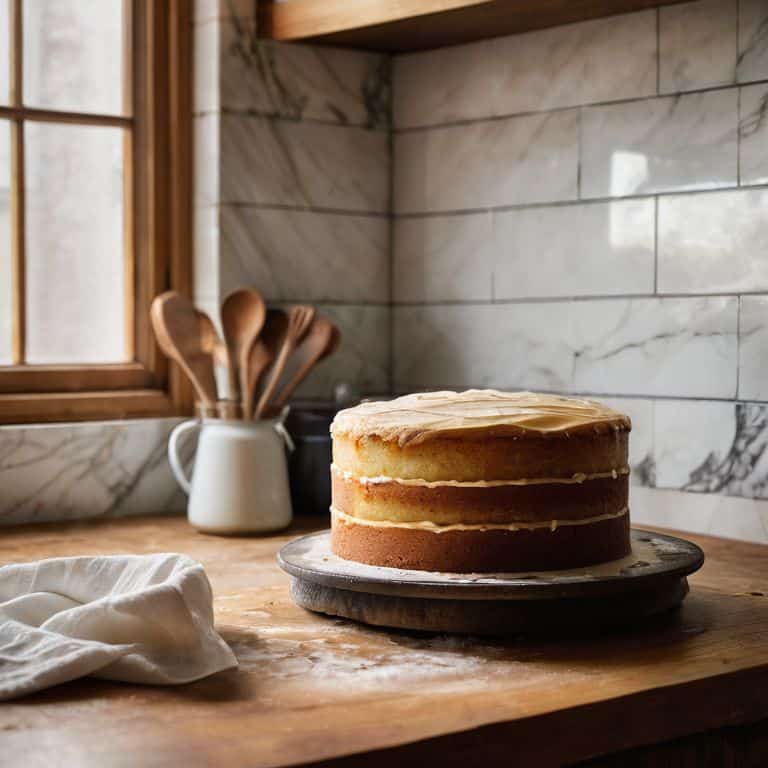
- Use a cake stand or turntable to make it easier to access and inspect your cake as it cools, and to ensure even cooling on all sides
Key Takeaways for Perfect Cake Cooling
Cooling a cake is a science-driven process that requires patience and understanding of the chemical reactions that occur as the cake transitions from a hot, freshly baked state to a cooled, stable one
Mastering the art of cake cooling involves avoiding common mistakes such as premature removal from the pan, inadequate cooling times, and insufficient air circulation, all of which can lead to a soggy or misshapen final product
By embracing the scientific principles behind cake cooling, including the role of heat transfer, moisture evaporation, and structural relaxation, home bakers can confidently produce professional-quality cakes with a tender crumb, a stable texture, and a beautiful presentation
The Art of Cooling
Cooling a cake is not just a waiting game, it’s a deliberate dance between heat, moisture, and time – understand the rhythm, and you’ll unlock the secret to a perfectly baked, tenderly cooled masterpiece.
Beatrice Quinn
Cooling with Confidence
As we’ve explored the world of cake cooling, it’s clear that mastering the basics is key to achieving professional-grade results. From understanding the importance of temperature and humidity to avoiding common mistakes like over-cooling or under-cooling, every step plays a crucial role in the final product. By grasping the science behind cake cooling, you’re not just baking – you’re creating a masterpiece that will impress anyone who takes a bite. Remember, it’s all about precision and patience, and with these skills, you’ll be well on your way to becoming a skilled baker.
So, the next time you find yourself wondering how to properly cool a cake, recall that it’s not just about letting it sit – it’s about applying the principles of science to bring out the best in your bake. With practice and dedication, you’ll develop a keen sense of what works and what doesn’t, and soon you’ll be baking like a pro. Don’t be afraid to experiment, try new recipes, and push the boundaries of what’s possible – after all, that’s where the magic happens, and I’m excited to see what you create!
Frequently Asked Questions
What happens if I skip the cooling process or rush it, will it affect the texture and structure of my cake?
Rushing or skipping the cooling process can lead to a dense, soggy, or even collapsed cake. This is because the cake needs time to set and redistribute its moisture, and skipping this step disrupts the delicate balance of structure and texture, resulting in an undesirable final product.
How do I prevent my cake from drying out or becoming soggy during the cooling process?
To prevent dryness or sogginess, it’s crucial to control the cooling environment. I recommend cooling your cake in a single layer on a wire rack, away from drafts, and covering it with parchment paper or a clean towel to maintain humidity and prevent moisture loss.
Are there any specific cooling techniques or tools that can help me achieve a perfectly flat and even cake surface?
For a perfectly flat and even cake surface, I swear by the ‘water bath cooling’ method and using a cake turntable. These tools help regulate temperature and prevent hotspots, ensuring your cake cools evenly. Additionally, a spirit level can be a baker’s best friend, guaranteeing your cake is perfectly level before it’s even out of the oven.