I still remember the first time I encountered a domed cake top in my own kitchen – it was a disastrous revelation that left me questioning my entire baking technique. As a pastry chef, I’ve since learned that a guide to preventing a domed cake top is essential for any serious baker. The truth is, a domed cake top is not just a minor imperfection, but a sign of a deeper issue with your baking technique.
In this article, I promise to share my hard-won expertise on how to prevent a domed cake top, gained from years of working in Michelin-starred restaurants and running my own bespoke cake studio. You’ll learn the practical tips and tricks I’ve developed to ensure a silky, flat top on every cake, from the importance of precise temperature control to the role of high-quality ingredients, like rich, European butter and fragrant, high-quality vanilla. By the end of this guide to preventing a domed cake top, you’ll be equipped with the knowledge and confidence to create stunning, professional-looking cakes that are almost too beautiful to eat.
Table of Contents
Guide Overview: What You'll Need
Total Time: 1 hour 15 minutes
Estimated Cost: $10 – $20
Difficulty Level: Easy
Tools Required
- Oven thermometer to ensure accurate oven temperature
- Cake tester to check for doneness
- Cake pan with a non-stick coating or parchment paper
Supplies & Materials
- Baking powder fresh and of good quality
- Butter or oil for greasing the cake pan
- Parchment paper for lining the cake pan
- Cake flour with the right protein content for cake recipes
Step-by-Step Instructions
- 1. First, let’s start with the foundation of a perfect cake: accurate measurements. To ensure your cake bakes evenly, it’s essential to measure your ingredients with precision. I like to use a digital scale to weigh my ingredients, as it eliminates any room for error. Take the time to carefully measure out your flour, sugar, and butter – it’s the first step towards a beautifully baked cake.
- 2. Next, we need to focus on temperature control. The temperature of your ingredients, particularly your butter and eggs, can significantly impact the final texture of your cake. Make sure your butter is at room temperature, and your eggs are fresh and also at room temperature. This will help to create a smooth, even batter that will bake consistently.
- 3. Now, let’s talk about mixing techniques. Overmixing is a common mistake that can lead to a dense, tough cake – and ultimately, a domed top. To avoid this, mix your wet and dry ingredients separately and gently fold them together. Use a light touch and a gentle folding motion to combine the ingredients, being careful not to overmix.
- 4. Another crucial step is to not overbake your cake. A cake that’s overbaked will be dry and prone to doming. To avoid this, keep a close eye on your cake as it bakes, and check it frequently towards the end of the baking time. Use a toothpick or skewer to test for doneness – if it comes out clean, your cake is ready.
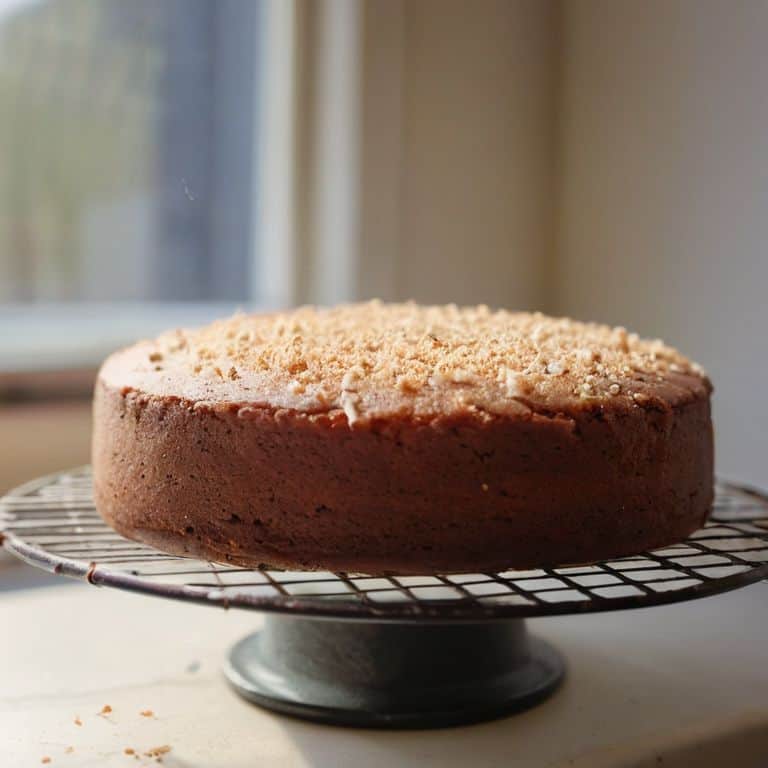
- 5. Once your cake is baked, it’s essential to cool it properly. A cake that’s cooled too quickly or unevenly can develop a domed top. To prevent this, let your cake cool in the pan for a few minutes before transferring it to a wire rack to cool completely. This will help the cake to cool slowly and evenly, reducing the risk of doming.
- 6. To further reduce the risk of doming, try using a water bath when baking your cake. A water bath helps to regulate the temperature and prevent hot spots in the oven, which can cause the cake to bake unevenly. Simply place your cake pan in a larger pan filled with hot water, and bake as usual.
- 7. Finally, let’s talk about cake leveling. Even if you’ve followed all the previous steps, your cake may still be slightly domed. To fix this, use a cake leveler or a serrated knife to carefully level the top of the cake. This will give you a smooth, even surface to work with – and help you to achieve that perfect, flat top.
A Guide to Preventing a Domed Cake Top
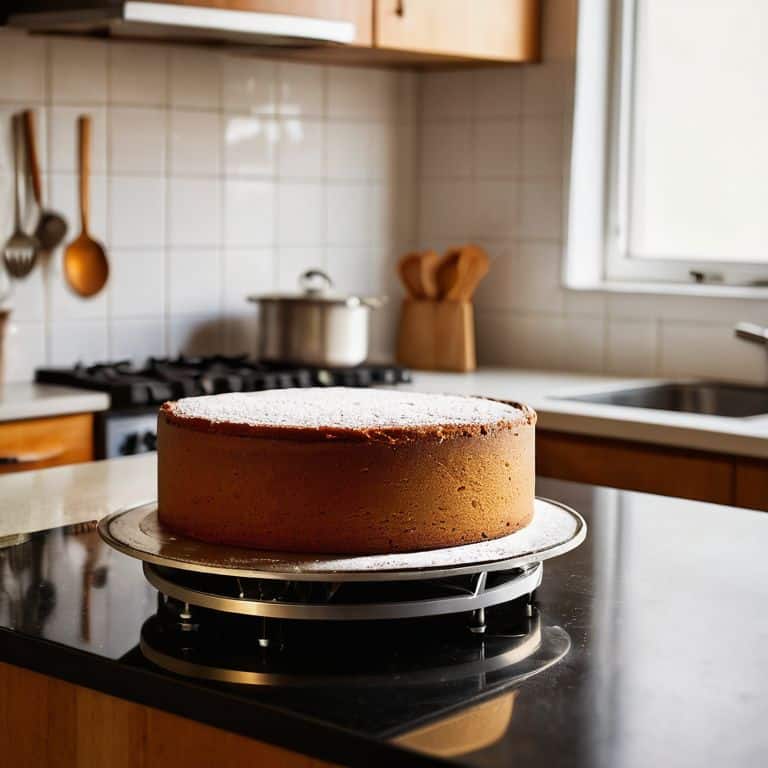
As I always say, preventing cake doming is an art that requires patience, precision, and a deep understanding of the baking process. To achieve a perfectly flat top, it’s essential to master cake leveling techniques. This involves using a combination of tools and methods to ensure your cake is evenly baked and level. One of my favorite tips is to use a cake turntable to rotate the cake while it’s baking, promoting even cooking and reducing the likelihood of a domed top.
When it comes to common cake baking mistakes, oven calibration is often overlooked. However, the importance of oven calibration cannot be overstated. A mis-calibrated oven can lead to uneven baking, resulting in a domed or lopsided cake. To avoid this, I recommend investing in an oven thermometer to ensure your oven is running at the correct temperature. This simple step can make all the difference in achieving tips for even cake layers.
For cake baking for beginners, it’s essential to understand that practice makes perfect. Don’t be discouraged if your first few attempts at baking a cake result in a domed top. Instead, use these experiences as an opportunity to learn and refine your technique. By following these tips and mastering the art of cake baking, you’ll be well on your way to creating beautiful, delicious cakes that are sure to impress.
Mastering Cake Leveling Techniques for Beginners
Mastering cake leveling techniques is an art that requires patience and practice, but trust me, it’s a game-changer. As a pastry chef, I’ve seen my fair share of uneven cakes, and I’m here to guide you through the process of achieving a perfectly level surface. For beginners, it’s essential to start with the right tools – a turntable, a cake leveler, and a sharp serrated knife. With these essentials, you’ll be able to rotate, measure, and trim your cake with ease, ensuring a smooth, even surface that’s perfect for decorating.
The Importance of Oven Calibration for Even Layers
To achieve perfectly even layers, it’s essential to ensure your oven is calibrated correctly. A mismatch between the oven’s temperature reading and the actual heat can lead to uneven baking, causing domed or sunken cake tops. I always recommend investing in an oven thermometer to verify the temperature accuracy. This simple step can make a significant difference in the outcome of your baked goods.
By calibrating your oven, you’ll be able to trust that your cakes are baking at the correct temperature, which is crucial for even layers. This, combined with proper cake leveling techniques, will help you create stunning, professional-looking cakes with silky flat tops. Remember, precision is key in baking, and taking the time to calibrate your oven will pay off in the long run, allowing you to focus on the art of decorating and presenting your edible masterpieces.
My Top 5 Secrets to a Silky Flat Top
- Ensure your ingredients are at room temperature, as this will help to prevent uneven baking and promote a smooth, flat top
- Use high-quality, European-style butter with a high fat content, as this will give your cake a tender crumb and help to regulate its rise
- Invest in a turntable and rotate your cake every 10-15 minutes during baking to promote even cooking and prevent hot spots
- Resist the temptation to overmix your batter, as this can lead to a dense, domed cake – instead, gently fold your ingredients together until just combined
- Don’t open the oven door during the baking time, as the sudden change in temperature can cause your cake to sink or dome – be patient and let it cook undisturbed
Key Takeaways for a Silky Flat Top
Ensure your oven is calibrated to the correct temperature, as uneven heat can cause doming, and invest in an oven thermometer to guarantee accuracy
Master the art of cake leveling, using techniques such as the ‘spin and scrape’ method or investing in a cake leveler, to achieve perfectly even layers
Pay attention to your cake’s structural integrity by using the right ratio of ingredients, avoiding overmixing, and not overbaking, to prevent a domed top from forming in the first place
The Art of Perfection
A flat cake top is not just a matter of aesthetics, it’s a reflection of the baker’s dedication to precision and craft – with every delicate crumb and subtle curve, we’re not just building a dessert, we’re creating a masterpiece.
Alison Lawson
Mastering the Art of a Perfectly Flat Cake Top
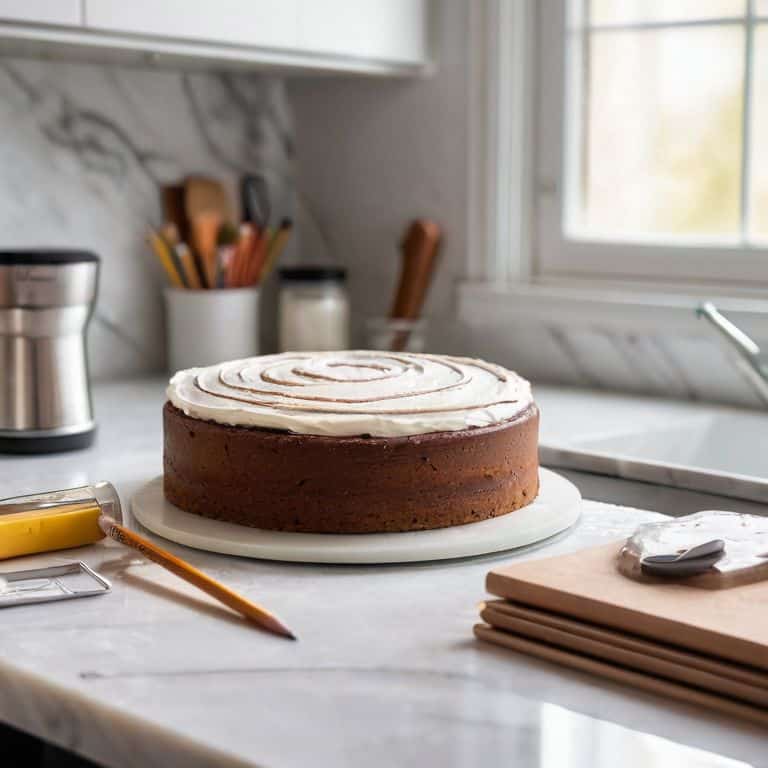
As we conclude our journey to preventing a domed cake top, let’s recap the essentials: mastering cake leveling techniques, ensuring oven calibration for even layers, and understanding the importance of quality ingredients. By following these steps and practicing patience, you’ll be well on your way to creating cakes that are not only delicious but also visually stunning. Remember, it’s all about the details, from the initial sketch of your cake design to the final decorative touches. With time and practice, you’ll develop the skills and confidence to tackle even the most complex cake designs.
As you continue to hone your baking skills, don’t be afraid to push the boundaries of creativity and experiment with new recipes and techniques. The world of baking is a vibrant and ever-evolving art form, and I encourage you to join me on this journey of discovery and inspiration. Whether you’re a seasoned baker or just starting out, I hope this guide has inspired you to create something truly extraordinary – a cake that’s not only a masterpiece of flavor and texture but also a testament to your skill and artistry.
Frequently Asked Questions
What are the most common causes of a domed cake top and how can I identify them in my own baking?
The culprits behind a domed cake top are often uneven oven temperature, overmixing, or incorrect pan size. To identify the cause, take a closer look at your baking process: are your ingredients at room temperature, is your oven calibrated, and are you gently folding your batter? These small details can make all the difference in achieving a silky, flat top.
How do I adjust my cake recipe to prevent a domed top, especially when using different types of flour or leavening agents?
To adjust your cake recipe and prevent a domed top, consider the protein content of your flour and balance it with the right amount of leavening agents. For instance, using cake flour with a lower protein content may require less leavening, while bread flour may need a bit more.
Can I salvage a cake with a domed top by using creative decorating techniques or frosting, or is it best to start over from scratch?
While a domed top can be disappointing, it’s not always a lost cause. With creative decorating techniques and the right frosting, you can often disguise the issue. Consider a generous dollop of whipped cream or a decorative glaze to distract from the shape. However, if the dome is severe, it’s sometimes better to start anew and ensure stability and evenness in your design.