I still remember the first time I took a cake out of the oven, only to find it was as dry as the Sahara desert. I had no idea how to tell if my cake was done baking, and it was a hard lesson to learn. But over the years, I’ve come to realize that it’s not just about following a recipe, it’s about understanding the science behind baking. So, if you’re struggling to determine whether your cake is perfectly baked, you’re not alone. The question of how to tell if your cake is done baking is one that has puzzled many a home baker, and it’s time to set the record straight.
In this article, I’ll share my expertise as a certified master baker to give you the lowdown on the best ways to check for doneness. You’ll learn how to move beyond the guesswork and develop a keen sense of when your cake is perfectly baked. I’ll cut through the confusion and provide you with practical, no-nonsense advice on how to ensure your cakes turn out moist, fluffy, and utterly delicious every time. Whether you’re a seasoned baker or just starting out, this guide will give you the confidence to take your baking to the next level, and never have to worry about overcooking or undercooking your cakes again.
Table of Contents
- Guide Overview: What You'll Need
- Step-by-Step Instructions
- Cracking Cake Doneness Codes
- 5 Essential Tips to Ensure Your Cake is Perfectly Baked
- Key Takeaways for Achieving Perfectly Baked Cakes
- The Secret to Perfectly Baked Cakes
- Bringing it all Together: The Art of Perfectly Baked Cakes
- Frequently Asked Questions
Guide Overview: What You'll Need
Total Time: 20 – 40 minutes
Estimated Cost: $0 (using existing baking supplies)
Difficulty Level: Easy
Tools Required
- Toothpick (for testing doneness)
- Oven Thermometer (to ensure accurate oven temperature)
- Timer (to track baking time)
Supplies & Materials
- Cake (in various types and sizes)
- Baking Pan (of various sizes, e.g., 8 inches round or 9 inches square)
Step-by-Step Instructions
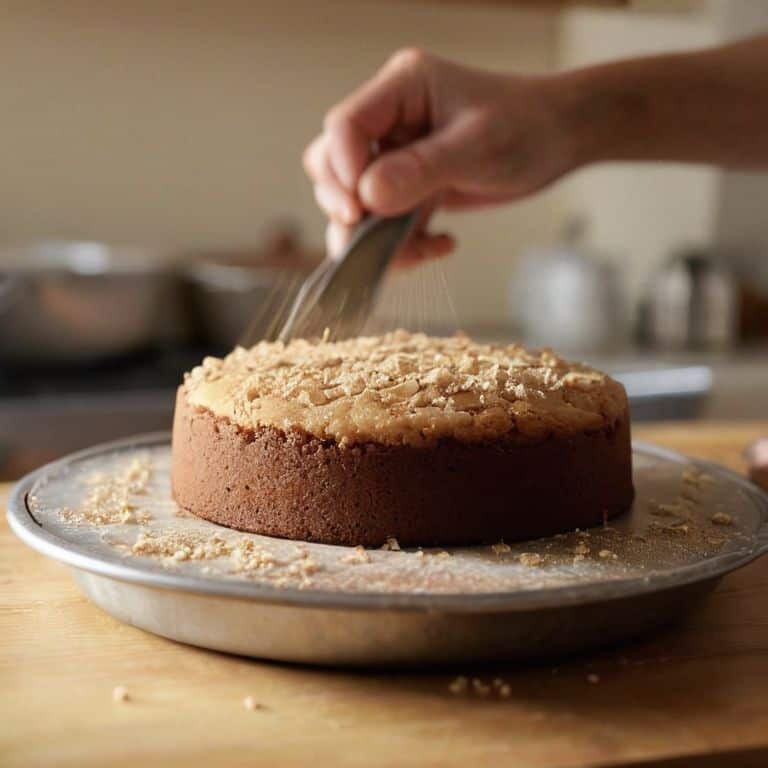
- 1. First, let’s start with the most straightforward method: the toothpick test. To do this, insert a toothpick into the center of the cake, and if it comes out clean, you’re golden! This method is simple and effective, but it’s not the only way to check for doneness. I also like to use a combination of methods to ensure my cakes are perfectly baked.
- 2. Next, I recommend checking the cake’s _edges_ and _sides_ for doneness. Gently press on the edges of the cake; if they feel soft and squishy, it’s likely not done yet. On the other hand, if they feel firm and springy, it’s a good sign that the cake is cooked through. This method is especially useful for cakes with a delicate texture.
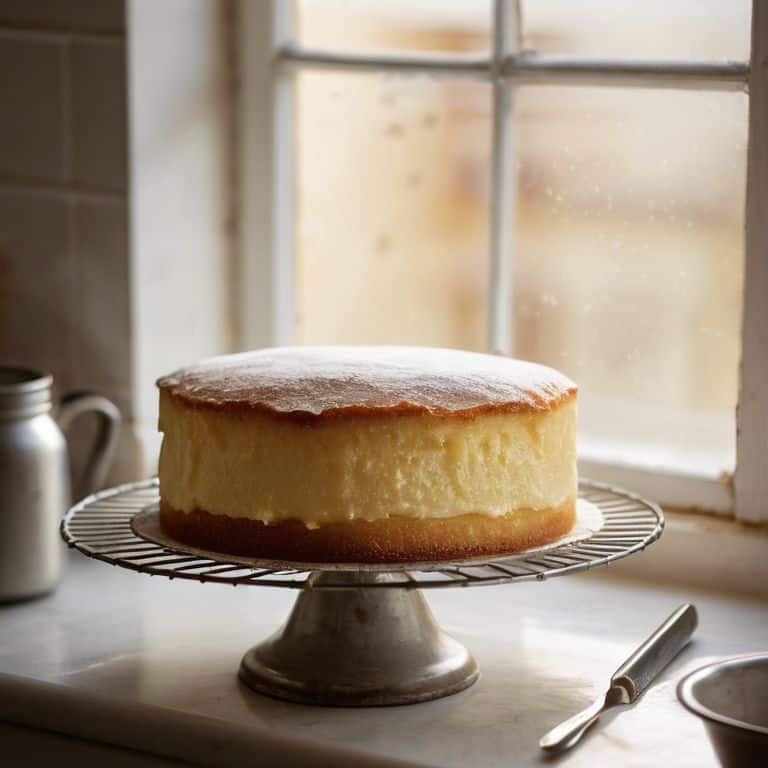
- 3. Now, let’s talk about the visual cues that indicate a cake is done baking. Check the cake’s color; it should be a _golden brown_ on the edges and a lighter shade on the inside. Also, look for a slight _sheen_ on the surface of the cake, which indicates that it’s fully cooked. Keep in mind that these visual cues can vary depending on the type of cake you’re baking.
- 4. Another important step is to check the cake’s _internal temperature_. Use a food thermometer to insert into the center of the cake, and check the temperature. Most cakes are done when they reach an internal temperature of _190°F to 200°F_. This method is especially useful for large or dense cakes that may be more challenging to check using other methods.
- 5. In addition to these methods, I also like to use the shake test to check for doneness. Gently shake the cake pan back and forth; if the cake is done, it should _not_ jiggle or wobble in the center. If it does, it’s likely not fully cooked yet. This method is simple and effective, but it does require some practice to get the hang of it.
- 6. Once you’ve checked the cake using one or more of these methods, it’s time to remove it from the oven and let it _cool_ in the pan for a few minutes. This will help the cake to set and make it easier to handle. After a few minutes, transfer the cake to a wire rack to cool completely.
- 7. Finally, don’t be afraid to use your _instincts_ when checking for doneness. As you gain more experience baking, you’ll develop a sense of when a cake is fully cooked. Trust your instincts and don’t be afraid to experiment with different methods to find what works best for you. Remember, practice makes perfect, and the more you bake, the more confident you’ll become in your ability to determine when a cake is done.
Cracking Cake Doneness Codes
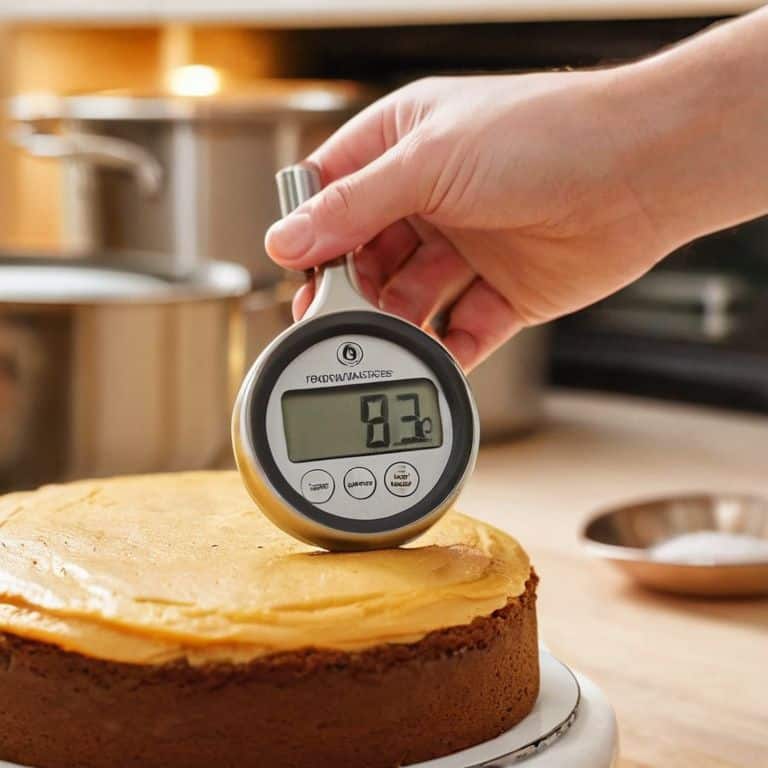
When it comes to determining the perfect doneness of a cake, precision is key. One often overlooked method is consulting a cake internal temperature guide, which can provide a more accurate reading than traditional toothpick tests. By using a food thermometer to check the internal temperature of the cake, you can ensure that it’s baked to a safe and consistent temperature.
To take your cake-baking skills to the next level, it’s essential to understand baking time calculation methods. This involves considering factors such as oven temperature, cake size, and type of ingredients used. By mastering these calculations, you can prevent common mistakes like overbaked or underbaked cakes. Remember, overbaked cake prevention tips are just as important as the baking process itself.
By combining these techniques with cake texture analysis techniques, you’ll be well on your way to baking like a pro. It’s all about developing a keen sense of observation and understanding the nuances of cake doneness. With practice and patience, you’ll be able to identify the perfect balance of texture and flavor, and your cakes will turn out consistently delicious every time.
Avoiding Overbaked Cake Disasters
To avoid overbaked cake disasters, it’s essential to keep a close eye on your cake’s progress, especially towards the end of the baking time. I always say, it’s better to err on the side of caution and check your cake a minute or two before the recommended baking time is up. Remember, cakes continue to cook a bit after they’re removed from the oven, so it’s crucial to not overbake. A simple trick is to rotate your cake halfway through the baking time to ensure even cooking. By being mindful of these details, you’ll be well on your way to baking a perfectly cooked cake, every time.
The Science of Cake Internal Temperature
Now that we’ve cracked the code on visual cues and toothpick tests, let’s dive into the science of internal temperature. This is where things get really precise. You see, every type of cake has an ideal internal temperature that indicates it’s fully baked. For example, a classic vanilla cake is usually done when it reaches an internal temperature of 190°F to 195°F. By using a reliable oven thermometer and a cake tester or instant-read thermometer, you can ensure your cake is baked to perfection. This method takes the guesswork out of baking, giving you confidence in your creations.
5 Essential Tips to Ensure Your Cake is Perfectly Baked
- The Toothpick Test: Insert a toothpick into the center of the cake, and if it comes out clean or with a few moist crumbs, it’s done baking
- Check the Edges: A perfectly baked cake will have edges that are lightly golden brown and slightly pulled away from the pan
- Don’t Rely on Time Alone: While recipes provide baking times, it’s crucial to check the cake frequently towards the end, as oven temperatures can vary
- The Internal Temperature Method: Use a food thermometer to check the internal temperature of the cake; it should read between 190°F and 210°F for most cake types
- Look for the Spring: A baked cake will spring back when gently pressed in the center; if it leaves an indentation, it may need a few more minutes in the oven
Key Takeaways for Achieving Perfectly Baked Cakes
Always check your cake for doneness by inserting a toothpick into the center, and if it comes out clean, you can be confident it’s fully baked
Understanding the science of internal temperature is crucial – aim for an internal temperature of 190°F to 200°F (88°C to 93°C) for most cake recipes to ensure they are cooked through without being overdone
Respect the recipe’s recommended baking time, but don’t be afraid to adjust based on your oven’s unique characteristics and the cake’s visual cues, such as a golden-brown crust and a slight shrinkage from the pan
The Secret to Perfectly Baked Cakes
A cake is done not when the timer goes off, but when the balance of texture, temperature, and tenderness is just right – and that, my friends, is where the magic of science meets the art of baking.
Beatrice Quinn
Bringing it all Together: The Art of Perfectly Baked Cakes
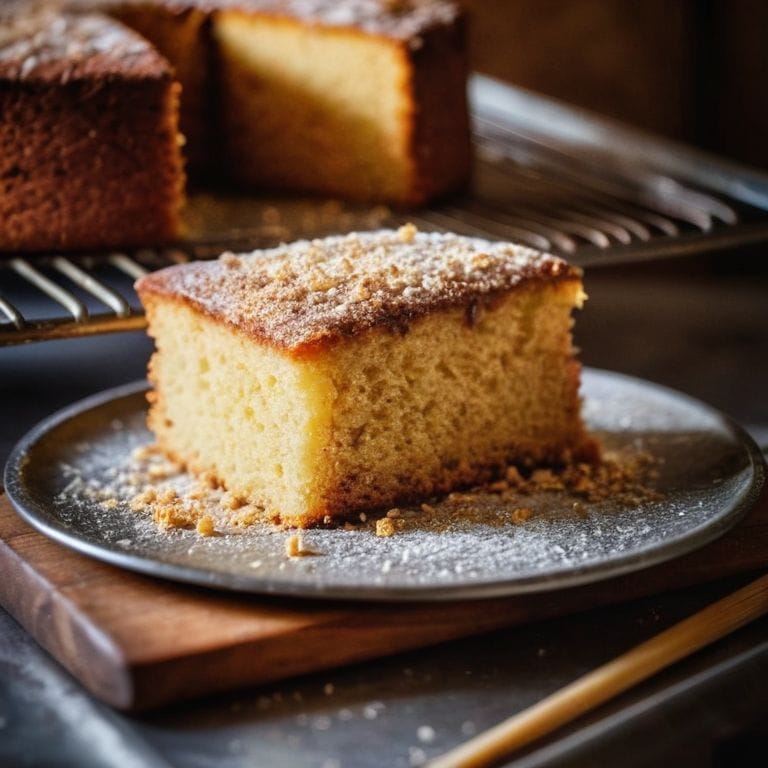
As we’ve explored the world of cake doneness, it’s clear that mastering the basics is key to achieving that perfect bake. From the simple toothpick test to understanding the science of internal temperature, each method has its place in ensuring your cake is cooked to perfection. By combining these techniques and developing a keen sense of observation, you’ll be well on your way to becoming a cake-baking expert. Remember, practice makes perfect, so don’t be discouraged if it takes a few attempts to get the hang of it. With time and patience, you’ll be able to crack the code on cake doneness and impress your friends and family with your creations.
As you continue on your baking journey, keep in mind that the journey is just as important as the destination. The process of learning and experimenting is where the real magic happens, and it’s essential to enjoy the ride. Don’t be afraid to try new recipes, experiment with different ingredients, and push the boundaries of what you thought was possible. With a solid foundation in the basics and a willingness to learn, the world of cake baking is yours to explore and conquer. So go ahead, get baking, and remember to always have fun along the way!
Frequently Asked Questions
What happens if I don't have a thermometer to check the internal temperature of my cake?
No thermometer? No worries! While I always recommend using one for accuracy, you can also use the toothpick test or check for visual cues like a golden-brown crust and a slightly firm center. Remember, it’s all about science and observation – with a little practice, you’ll be a pro at judging doneness without a thermometer.
Can I rely solely on the toothpick test to determine if my cake is done baking?
While the toothpick test is a great indicator, I always say it’s just one piece of the puzzle. You see, a toothpick can sometimes yield a false negative if it hits a dense spot. So, I recommend combining it with other checks, like the cake’s texture, color, and internal temperature, to ensure you’re getting the full picture.
How do I adjust the baking time and temperature for different types of cakes, such as gluten-free or high-altitude baking?
For gluten-free cakes, I recommend reducing the oven temperature by 25°F and increasing the baking time by 10-15%. For high-altitude baking, decrease the leavening agents and increase the liquid content, then adjust the baking time and temperature accordingly. Always keep an eye on your cake’s progress, as these adjustments can vary depending on the specific recipe and environment.