I still remember the first time I helped out at a friend’s bake sale – the excitement, the chaos, and the inevitable question: how do we price these delicious treats? As I delved into the world of baking, I realized that a guide to pricing your items for a bake sale is not just about slapping numbers on a price tag, but about understanding the value of the craft and the community that comes with it. The common myth that pricing is all about covering costs and making a profit doesn’t quite capture the essence of what bakers do. It’s about passion, dedication, and sharing that with others.
As I share my own experiences and insights in this article, I want to assure you that you’ll get honest and practical advice on how to price your baked goods with confidence. You’ll learn how to balance your costs, consider your audience, and find that sweet spot that makes your customers happy and your bake sale a success. Whether you’re a seasoned baker or just starting out, this guide will walk you through the process of pricing with purpose, and help you understand that it’s not just about the numbers, but about sharing your passion with the people who matter most.
Table of Contents
Guide Overview: What You'll Need
Total Time: 1 hour 30 minutes
Estimated Cost: $0 – $10
Difficulty Level: Easy
Tools Required
- Calculator (for calculating prices)
- Price Tags (for labeling items)
Supplies & Materials
- Baked Goods (various types and quantities)
- Pricing Chart (optional, for reference)
Step-by-Step Instructions
- 1. First, let’s start by understanding that pricing your items for a bake sale is not just about slapping a number on a price tag, it’s about finding the sweet spot that will make your customers happy and keep them coming back for more. You want to make sure you’re covering your costs, but also not scaring people off with prices that are too high. I like to think of it as a delicate balance between making a profit and making people smile.
- 2. Next, you’ll want to calculate the cost of your ingredients and the time it takes to make each item. This will give you a baseline to work from when it comes to pricing. For example, if you’re making a batch of artisanal sourdough bread, you’ll want to factor in the cost of the flour, yeast, and any other ingredients, as well as the time it takes to mix, knead, and bake the bread. Don’t forget to include the cost of any specialty ingredients or equipment you might be using.
- 3. Now it’s time to research your competition and see what they’re charging for similar items. This will give you an idea of what customers are willing to pay and help you price competitively. You can check out other bake sales in your area, or look online for similar products and their prices. Just remember, you’re not trying to undercut everyone else, you’re trying to find a price that reflects the value of your baked goods.
- 4. Once you have an idea of your costs and what the competition is charging, it’s time to start thinking about pricing tiers. You’ll want to have a range of prices to appeal to different customers, from the budget-conscious to the treat-yourself crowd. For example, you might have a few lower-priced items like cookies or muffins, and then some higher-priced items like cakes or artisanal breads.
- 5. Another thing to consider when pricing your items is the emotional value of your baked goods. Are you making traditional family recipes that have been passed down for generations? Are you using locally sourced ingredients and supporting the local community? These are all things that can add value to your products and make them worth a higher price. Don’t be afraid to tell the story behind your baked goods and use that to justify your prices.
- 6. Now that you have a good idea of your pricing strategy, it’s time to think about how you’ll display your prices and promote your products. You’ll want to make sure your prices are clear and easy to understand, and that you’re highlighting the unique features of each item. Consider using signs or labels to draw attention to certain products, and don’t be afraid to get creative with your pricing displays.
- 7. Finally, be prepared to adjust your prices as needed. You might find that some items are selling really well, while others are not moving as quickly. Don’t be afraid to adjust your prices or offer specials to move certain products. The key is to be flexible and responsive to your customers’ needs, and to always be looking for ways to improve and refine your pricing strategy.
Pricing With Passion
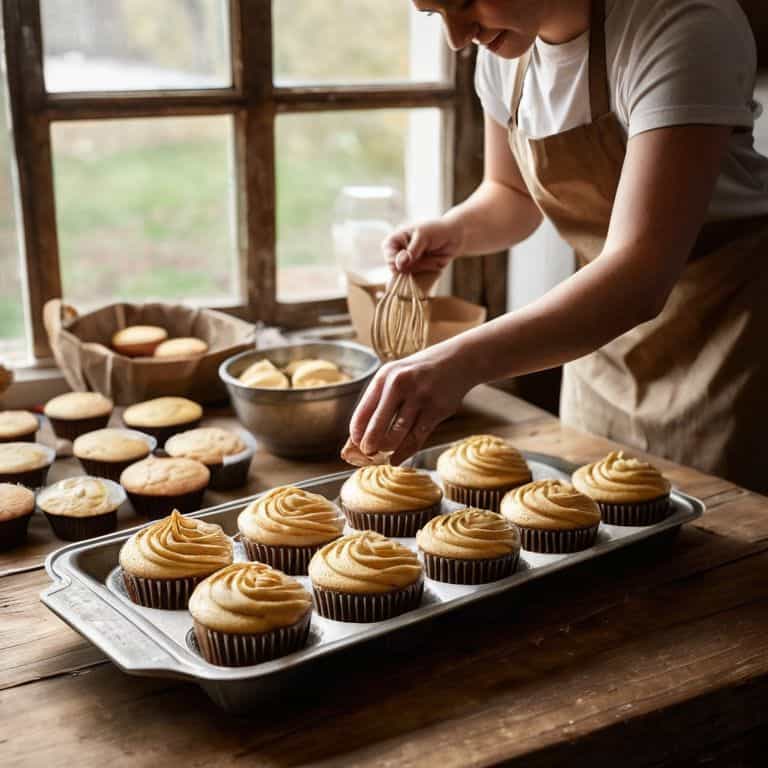
As I delved into the world of bake sales, I realized that pricing with passion is just as important as perfecting your recipe. It’s not just about slapping a price tag on your creations, but about understanding the value you’re offering to your customers. When calculating profit margins for bake sales, consider the cost of ingredients, time, and effort that goes into each item. This will help you determine a fair price that reflects the love and care you’ve put into your baked goods.
I’ve seen bakers use competitive pricing strategies to attract customers, but it’s essential to remember that you’re not just competing with other bakers, you’re also contributing to a good cause. Dynamic pricing for baked items can be an effective way to optimize sales and maximize donations. For example, offering discounts for bulk purchases or bundling items together can incentivize customers to buy more.
When it comes to bake sale item cost calculation, it’s crucial to factor in the cost of ingredients, packaging, and any other expenses. By doing so, you’ll be able to determine a price that ensures you’re making a profit while also being mindful of your customers’ budgets. Remember, the goal is to find a balance between optimizing bake sale prices and generating maximum donations for your charity.
Calculating Profit With Heart
As I sat down with Emma, the owner of Flour & Co., she shared with me her approach to calculating profit with heart. It’s not just about crunching numbers, but about understanding the value of each item and the story behind it. She told me, “When I price my sourdough, I’m not just thinking about the cost of ingredients, but about the time and love that goes into crafting each loaf.” This mindset shift helps her find a price that’s both fair to her customers and sustainable for her business.
For Emma, calculating profit with heart means considering the entire ecosystem of her bakery, from the farmers who supply her ingredients to the customers who enjoy her creations. By taking a holistic approach, she’s able to create a pricing strategy that’s both financially viable and true to her values. As she put it, “It’s about finding a balance between making a living and making a difference in my community.”
The Sweet Spot for Bake Sales
As I reflect on my visits to bustling farmers’ markets and quaint bakeries, I’ve noticed that the most successful vendors have found a delicate balance between pricing and passion. They’ve discovered the sweet spot where their love for baking meets the customer’s willingness to pay. It’s a price that not only covers costs but also tells a story of dedication and craftsmanship. I recall a conversation with a pastry chef who shared her struggles to price her signature sourdough bread. She eventually found that charging a premium for her labor of love actually increased demand, as customers were willing to pay for the quality and story behind each loaf.
This sweet spot is unique to each baker and sale, but it’s often found at the intersection of quality, quantity, and customer connection. By pricing with passion, bakers can create a sense of value that goes beyond mere cost, inviting customers to be part of their story and craftsmanship.
Pricing with Soul: 5 Tips to Make Your Bake Sale Shine
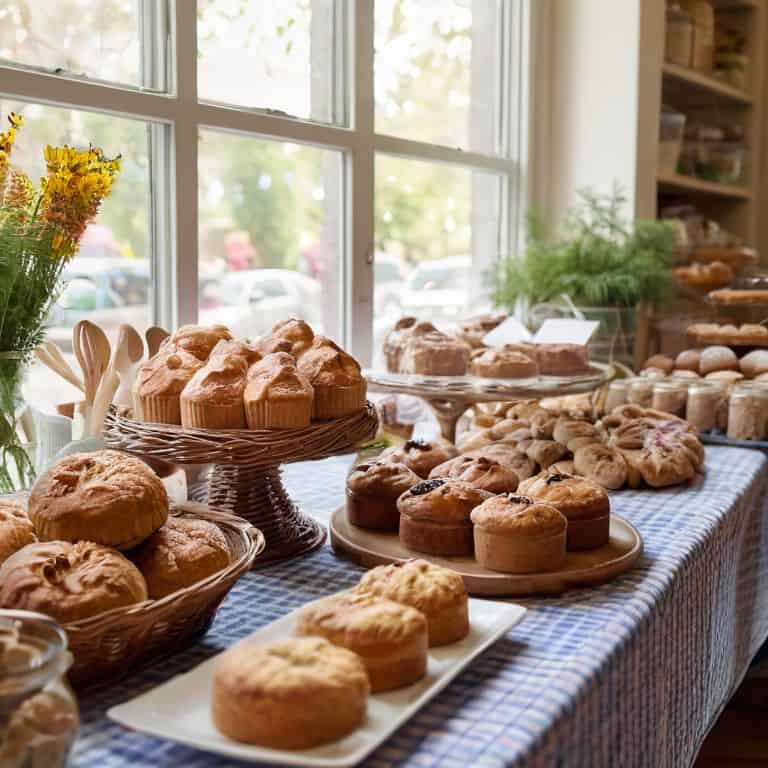
- Know your crowd: research the going rate for baked goods in your area to ensure you’re competitive, but not compromising on quality or profit
- Cost it out: factor in the cost of ingredients, time, and any extra expenses, like packaging or equipment, to determine your minimum price point
- Bundle up: offer discounts for bulk purchases or pairings of items to incentivize sales and increase average transaction value
- Tell a story: use signage and packaging to share the story behind your baked goods, highlighting unique ingredients, recipes, or causes to justify premium pricing
- Be flexible: be prepared to adjust prices based on customer feedback, sales data, and the overall pace of the bake sale to maximize profits and clear inventory
Pricing Your Bake Sale with Heart: 3 Key Takeaways
Bake with intention: Pricing isn’t just about numbers, it’s about the story behind each treat and the value it brings to your customers
Find your sweet spot: Balance profit with passion, ensuring each item is priced to sell and to make your customers happy, not just your bottom line
Calculate with heart: Consider the cost of ingredients, time, and love that goes into each item, and price accordingly, so you can sustain your baking dreams and share them with your community
Pricing with Soul
The art of pricing your baked goods is not just about numbers, it’s about nurturing a sense of community and connection – it’s where commerce meets compassion, and every sale tells a story of its own.
David Dunne
The Sweet Finish: A Conclusion to Pricing with Passion
As we wrap up this guide to pricing your items for a bake sale, let’s recap the key points that will help you find the perfect balance between making a profit and making your customers happy. We’ve covered the importance of understanding your costs, researching the competition, and calculating your profit with heart. We’ve also explored the concept of pricing with passion, and how it can help you stand out from the crowd and build a loyal customer base. By following these steps and staying true to your values, you’ll be well on your way to creating a successful and sustainable bake sale business.
So, as you embark on your bake sale journey, remember that it’s not just about the money – it’s about sharing your love of baking with your community, and creating a positive impact on the people around you. Don’t be afraid to experiment, take risks, and try new things – and always keep your passion for baking at the forefront of everything you do. With dedication, hard work, and a willingness to learn, you can turn your bake sale into a sweet success that brings joy to everyone involved.
Frequently Asked Questions
How do I determine the initial price of my baked goods if I'm new to bake sales and don't have a reference point?
For a newcomer, I recommend scouting out local bake sales, taking note of what’s selling and for how much. You can also ask fellow bakers for advice or check online marketplaces for similar treats. Trust your instincts, and don’t be afraid to adjust as you go – it’s all part of the sweet learning process!
What factors should I consider when pricing specialty or artisanal items that require unique ingredients or techniques?
When pricing specialty or artisanal items, consider the cost of unique ingredients, time spent on intricate techniques, and the value of the story behind each item – think heirloom recipes or small-batch production. These factors will help you set a price that respects the craft and resonates with customers who appreciate the extra love and care.
Are there any psychological pricing strategies, such as rounding prices or using certain numbers, that can influence customer purchasing decisions at a bake sale?
I’ve noticed that pricing items at, say, $2.50 or $4.95 can be more appealing than round numbers – it’s all about creating a perceived value. Some bakers swear by the power of nines, too, like $3.99 for a batch of cookies. It’s fascinating to see how these tiny tweaks can nudge customers towards a purchase, isn’t it?