I still remember the frustration of working with traditional edible glue for fondant – it was like trying to hold together a delicate house of cards. The struggle to find the best edible glue alternatives for fondant was real, and I was determined to crack the code. After years of experimenting with different substances and techniques, I’ve learned that the key to success lies in understanding the nuances of each alternative. Whether you’re a seasoned pastry chef or a beginner, you know that the right adhesive can make all the difference in creating a stunning and durable fondant design.
In this article, I’ll share my personal favorites and no-fail techniques for working with the best edible glue alternatives for fondant. You’ll learn how to choose the right alternative for your specific project, how to prepare and apply it for optimal results, and how to troubleshoot common issues that can arise. My goal is to empower you with the knowledge and confidence to take your fondant creations to the next level, without the hassle and frustration of traditional edible glue. By the end of this guide, you’ll be equipped with the skills and expertise to create breathtaking fondant designs that will impress even the most discerning palates.
Table of Contents
- Guide Overview: What You'll Need
- Step-by-Step Instructions
- Best Edible Glue Alternatives
- Sticking to Perfection: 5 Key Tips for the Best Edible Glue Alternatives
- Key Takeaways for Mastering Edible Glue Alternatives
- The Art of Adhesion
- Bringing It All Together: The Art of Fondant Perfection
- Frequently Asked Questions
Guide Overview: What You'll Need
Total Time: 30 minutes to 1 hour
Estimated Cost: $5 – $15
Difficulty Level: Easy
Tools Required
- Measuring Cups (for accurate measurements)
- Spoon or Whisk (for mixing)
- Small Bowls (for preparing alternatives)
Supplies & Materials
- Corn Syrup as a substitute for traditional glue
- Water for thinning out corn syrup
- Egg Whites beaten for a protein-based adhesive
- Gelatin dissolved in water for a gel-like adhesive
- Honey used sparingly due to its strong flavor
- Fondant for testing the glue alternatives
Step-by-Step Instructions
- 1. To begin our journey in finding the perfect edible glue alternatives for fondant, start by preparing your workspace. Ensure it’s clean, dry, and free from any dust or debris that could interfere with your fondant’s texture or the adhesion process. I always say that a clean workspace is a happy workspace, and this is especially true when working with delicate ingredients like fondant.
- 2. Next, let’s explore one of my favorite alternatives: using a mixture of water and glycerin. This combination not only acts as an excellent adhesive but also helps in maintaining the fondant’s moisture levels, preventing it from drying out too quickly. To make this mixture, combine 1 part glycerin with 2 parts water. Precision is key here, so make sure to measure your ingredients accurately for the best results.
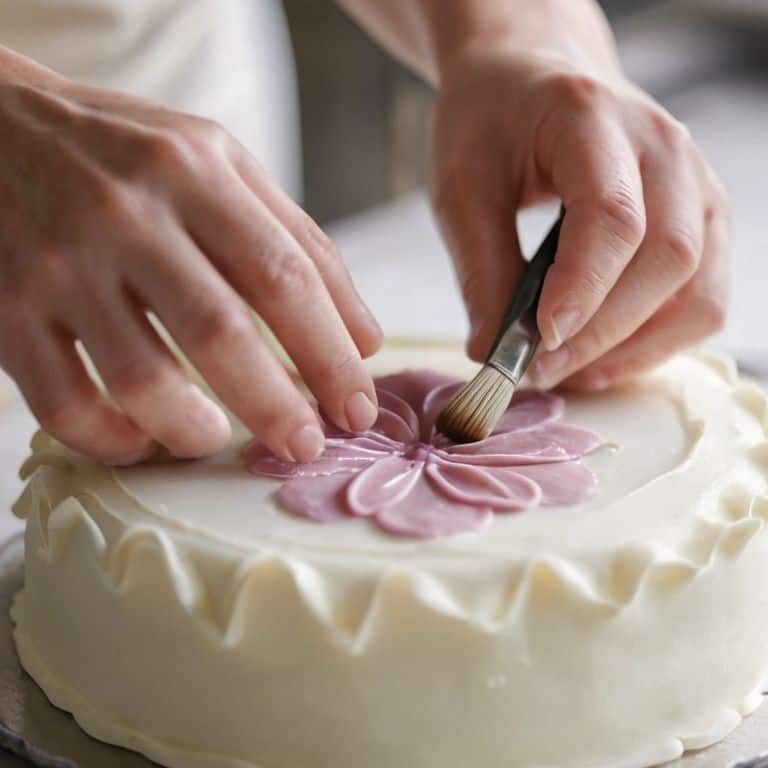
- 3. Now, let’s move on to another effective method: utilizing corn syrup as your edible glue. Corn syrup is a great alternative because it dries clear and doesn’t affect the color or texture of your fondant significantly. To apply, dip a small, clean brush into the corn syrup and gently brush it onto the areas you wish to stick together. Remember, less is more; you don’t want excess syrup oozing out of your fondant pieces.
- 4. For those looking for a more natural approach, consider using honey or light corn syrup mixed with a small amount of water to achieve the right consistency. These options not only serve as excellent adhesives but also add a hint of flavor to your fondant. When using honey, keep in mind that it can crystallize over time, so it’s best used for short-term projects or decorations that won’t be stored for long periods.
- 5. If you’re working on a project that requires a bit more strength and flexibility, you might want to consider making your own edible glue using unflavored gelatin. To do this, dissolve 1 teaspoon of unflavored gelatin in 2 tablespoons of warm water. Let it cool and thicken before applying it to your fondant. This method is particularly useful for larger structures or for pieces that need to withstand handling or transportation.
- 6. Tempering your fondant before applying any adhesive can significantly improve the bonding process. Tempering involves warming the fondant to a specific temperature, usually around 86°F to 90°F (30°C to 32°C), to make it more pliable and receptive to adhesives. I cannot stress enough the importance of temperature control in pastry; it’s the foundation upon which all other techniques are built.
- 7. Finally, practice makes perfect, so don’t be discouraged if your first attempts at using these edible glue alternatives don’t yield the desired results. Keep experimenting, and remember that patience is a virtue in the world of pastry. With time and practice, you’ll find the method that works best for you and your projects, leading to creations that are not only delicious but also visually stunning and professional in quality.
Best Edible Glue Alternatives
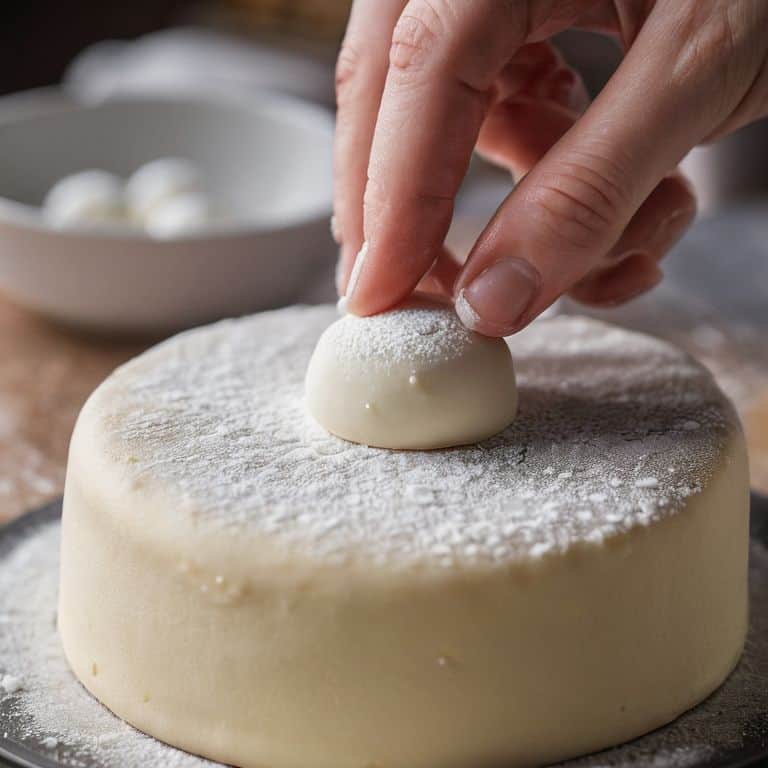
When it comes to working with fondant, having the right adhesive is crucial. I’ve found that natural alternatives to fondant glue can be just as effective, if not more so, than traditional store-bought options. One of my favorites is a simple mixture of powdered sugar and water, which creates a strong bond without adding any harsh chemicals to your design. This technique is especially useful when working with delicate fondant decoration techniques, as it allows for a more subtle and nuanced approach.
In addition to this homemade mixture, I also recommend exploring different edible glue for cake decorating options. Some of my students have had great success with using a small amount of corn syrup or honey to attach fondant decorations, while others prefer to use a combination of water and glycerin. The key is to experiment and find the method that works best for you and your specific project. By using these alternative adhesives, you can achieve a more polished and professional finish, perfect for cake design with fondant.
As you continue to work with fondant and explore different fondant adhesive recipes, remember that practice makes perfect. Don’t be discouraged if your first attempts at creating a homemade adhesive don’t turn out as expected – it’s all part of the process. With time and patience, you’ll develop the skills and techniques needed to create stunning fondant designs that are sure to impress.
Homemade Fondant Glue Techniques
To create a reliable homemade fondant glue, I swear by a simple mixture of corn syrup, water, and unflavored gelatin. By dissolving the gelatin in water and then mixing it with corn syrup, you achieve a strong, pliable bond. Another technique I’ve found effective is using a small amount of piping gel, thinned out with a touch of water, to act as an adhesive. This method is particularly useful for delicate or intricate designs where a lighter touch is required.
Natural Fondant Adhesive Recipes
As a chocolatier, I’m always on the lookout for natural alternatives that elevate my craft. When it comes to fondant adhesives, I’ve found that simple recipes can be just as effective as store-bought options. One of my favorites is a mixture of powdered sugar and corn syrup. By adjusting the ratio of these two ingredients, I can achieve the perfect consistency for my fondant creations.
I also experiment with gum-based adhesives, like gum arabic or guar gum, which provide a strong bond without compromising the taste or texture of my desserts. These natural recipes not only offer a more authentic flavor profile but also allow me to control the ingredients and temperature, essential for a precise and artistic finish.
Sticking to Perfection: 5 Key Tips for the Best Edible Glue Alternatives
- Always test your edible glue on a small, inconspicuous area of the fondant before applying it to the entire piece to ensure compatibility and prevent any damage
- Maintain a consistent environment when working with fondant and edible glue, as temperature and humidity can significantly affect their performance and longevity
- Experiment with different ratios of ingredients in your homemade fondant glue recipes to find the perfect balance of strength and flexibility for your specific project
- Consider the color and flavor profile of your edible glue alternatives, as some may impart unwanted hues or tastes to your fondant, and opt for neutral or complementary options instead
- Keep your workspace and tools immaculately clean and sanitized when working with edible glue alternatives to prevent contamination and ensure the longevity of your fondant creations
Key Takeaways for Mastering Edible Glue Alternatives
To achieve flawless fondant adhesion, it’s crucial to understand the role of temperature and humidity in the success of your chosen adhesive method, whether using a natural recipe or a homemade technique
Experimenting with different ratios of ingredients in your fondant glue recipes can significantly impact the final result, allowing for customization based on the specific needs of your project, such as durability or flexibility
Practicing precision and patience is key when working with fondant and its adhesives, as small variations in technique or ingredient quality can lead to substantial differences in the outcome, making mastery a combination of art and science
The Art of Adhesion
A good fondant adhesive is not just about sticking things together, it’s about creating a seamless union that elevates the entire pastry experience – and that’s why I’m obsessed with finding the perfect alternatives to traditional edible glue.
Juliette Le Roux
Bringing It All Together: The Art of Fondant Perfection
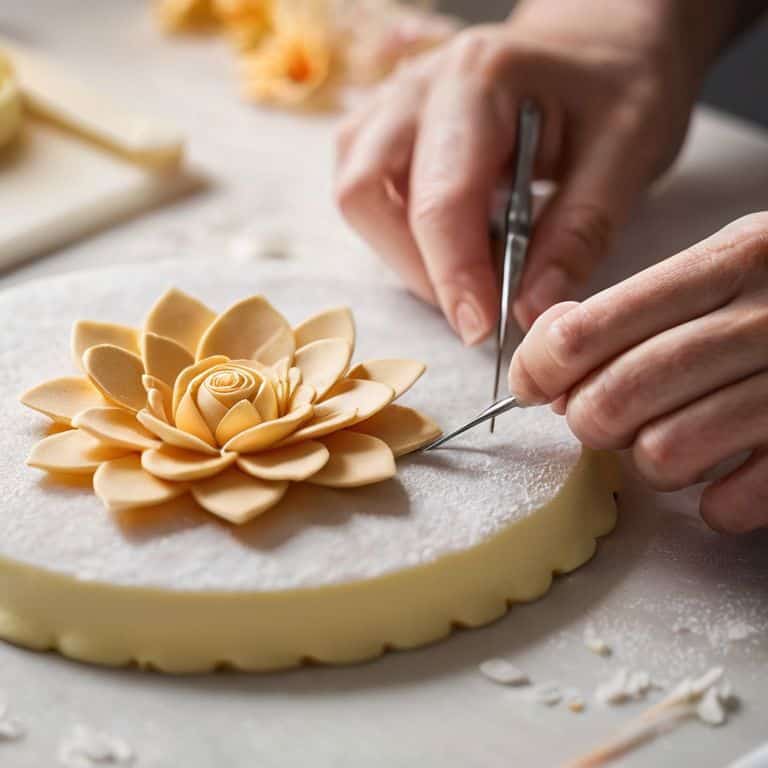
As we’ve explored the world of edible glue alternatives for fondant, it’s clear that the key to success lies in precision and patience. From natural adhesive recipes to homemade fondant glue techniques, each method requires a deep understanding of the ingredients and their interactions. By mastering these techniques, you’ll be able to create stunning, professional-grade fondant designs that will impress even the most discerning palates. Whether you’re a seasoned pastry chef or a beginner, the journey to fondant perfection is a rewarding one, filled with opportunities to experiment and innovate.
As you continue on your own path to fondant mastery, remember that the pursuit of perfection is a lifelong journey, not a destination. Don’t be afraid to push the boundaries of what’s possible with edible glue alternatives, and always keep in mind that the art of pastry-making is a delicate balance of science and creativity. With dedication and practice, you’ll be able to create truly breathtaking works of art that will leave a lasting impression on all who experience them.
Frequently Asked Questions
What are the most common mistakes to avoid when making homemade fondant glue?
When making homemade fondant glue, I see many bakers fall into the trap of using too much liquid or incorrect temperatures, leading to a weak bond or a sticky mess. To avoid this, ensure you’re using precise measurements and temperatures, and don’t overmix – it’s all about finding that perfect balance.
How do different types of sugar affect the strength and flexibility of natural fondant adhesives?
When experimenting with natural fondant adhesives, I’ve found that different types of sugar significantly impact strength and flexibility. For instance, granulated sugar can make the adhesive more brittle, while powdered sugar adds a delicate pliability. I prefer using superfine sugar for a balanced blend of strength and flexibility, allowing my fondant creations to hold their shape with elegance.
Can I use edible glue alternatives for fondant on other types of edible decorations, such as gum paste or chocolate?
While I adore experimenting with edible glue alternatives, I must advise that their use on gum paste or chocolate requires caution. These alternatives can be too wet or fragile for delicate materials, causing them to become misshapen or discolored. However, some natural adhesives, like corn syrup or piping gel, can work beautifully on gum paste, and a tiny dab of tempered chocolate can bind chocolate decorations perfectly.