I still remember the first time I stepped into a professional bakery – the smell of freshly baked bread, the sound of mixers whirring, and the sight of pastry chefs meticulously arranging their creations. As a food and lifestyle photographer, I’ve had the privilege of capturing the beauty of baked goods, but I’ve learned that it’s not just about the food itself, it’s about the story behind it. That’s why I’m excited to share with you a guide to the best props for food styling, because let’s face it, the right props can make all the difference in bringing your food to life.
As I’ve worked with various bakers and chefs, I’ve realized that props are not just accessories, they’re an integral part of the storytelling process. In this article, I’ll share my personal favorite props and techniques for creating visually stunning food scenes. You can expect honest, no-hype advice on how to choose the perfect props, from vintage utensils to natural textures, to elevate your food photography game. Whether you’re a professional photographer or a passionate food blogger, this guide will help you unlock the secrets to creating mouth-watering, Instagram-worthy images that tell a story.
Table of Contents
Guide Overview: What You'll Need
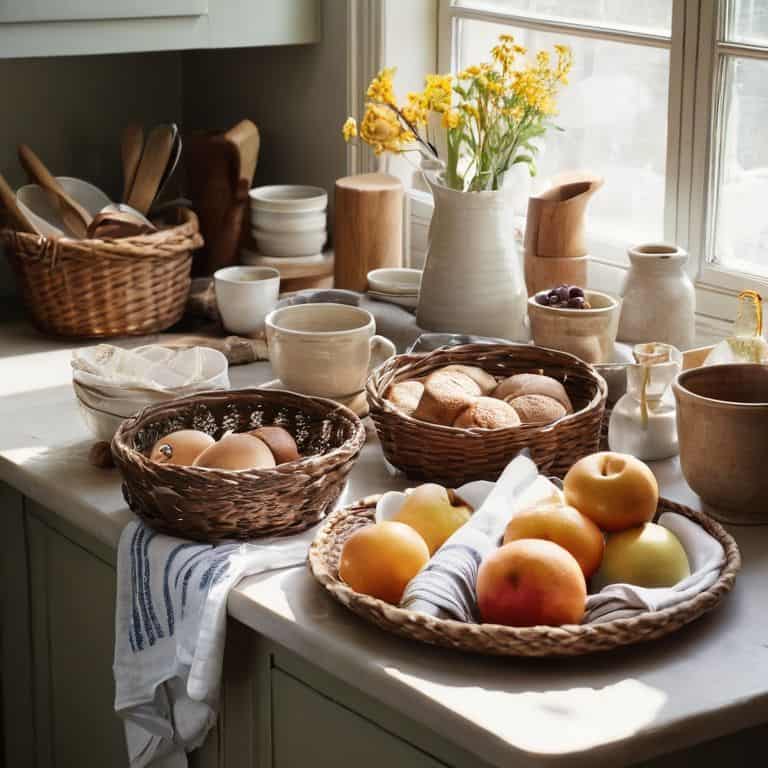
Total Time: 1 hour 15 minutes
Estimated Cost: $20 – $100
Difficulty Level: Easy
Tools Required
- Camera (with macro lens)
- Tripod (for stability)
- Photo editing software (for post-processing)
- Measuring tape (for measuring food and props)
- Level (for ensuring even surfaces)
Supplies & Materials
- Linens (various textures and colors)
- Tableware (plates, bowls, cups, utensils)
- Glassware (jars, bottles, glasses)
- Wooden boards (6 inches x 12 inches, various types of wood)
- Fresh flowers (for adding color and fragrance)
- Fruits and vegetables (for adding pops of color and texture)
- Baking supplies (e.g., baking sheets, muffin tins, cake stands)
- Paper products (e.g., paper towels, parchment paper, wax paper)
Step-by-Step Instructions
- 1. First, let’s start with the basics: gather a collection of vintage and unique items that can add character to your food scenes. I love scouring thrift stores, estate sales, and antique shops for one-of-a-kind props like distressed wooden boards, vintage china, and antique utensils. These items will help you create a warm and inviting atmosphere in your photographs.
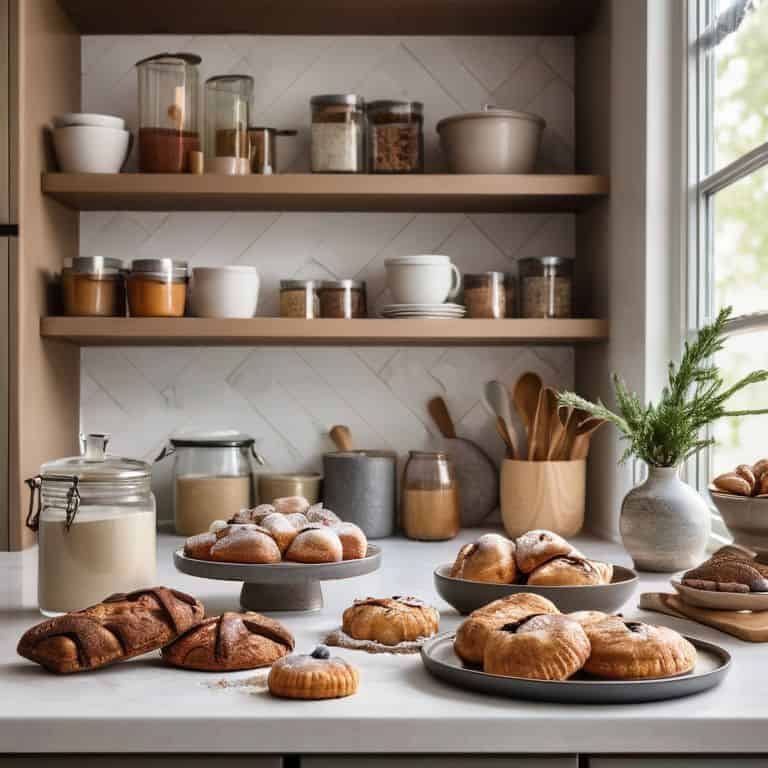
- 2. Next, think about the color palette you want to feature in your food styling. Choose props that complement the hues of your dishes, and don’t be afraid to mix and match different textures and patterns. For example, a warm, earthy-toned ceramic bowl can add a cozy feel to a rustic bread scene, while a sleek, modern glass plate can elevate a elegant dessert display.
- 3. Now, let’s talk about layering and depth. To create visually appealing food scenes, you’ll want to add layers of interest using props like linens, flowers, and greenery. Start with a base layer, such as a vintage tablecloth or a reclaimed wood board, and then add your food items, followed by smaller props like utensils, spices, or garnishes.
- 4. When it comes to styling your food, remember that less is often more. Don’t over-accessorize your scenes with too many props – instead, focus on a few, well-placed items that enhance the story you’re trying to tell. For example, a simple, handmade ceramic vase with a few fresh herbs can add a touch of elegance to a rustic bread scene.
- 5. To add an extra layer of authenticity to your food scenes, try incorporating natural elements like potted plants, fresh flowers, or branches. These elements can help bring a sense of organic warmth to your photographs and create a cozy, inviting atmosphere.
- 6. Next, experiment with playing with proportions. Mixing large and small props can add visual interest to your scenes and create a sense of whimsy and fun. For example, pairing a large, oversized wooden spoon with a small, delicate tea cup can add a touch of playfulness to a dessert display.
- 7. Finally, don’t forget to have fun and get creative with your prop styling. Try unusual combinations of items, like pairing a vintage typewriter with a plate of freshly baked cookies, or using a stack of old books as a base for a cake stand. Remember, the key to great food styling is to tell a story and evoke a feeling, so don’t be afraid to think outside the box and try new things.
A Guide to Best Props
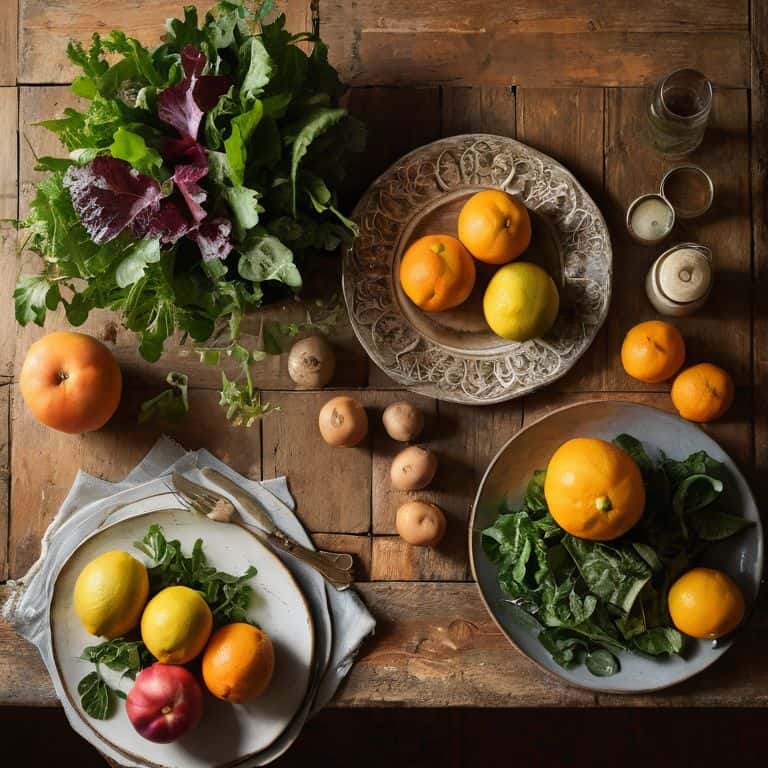
As I delve into the world of food styling, I’ve come to realize that the right backdrops can make or break the ambiance of a photo. I mean, who wants a boring, plain background when you can have a beautifully distressed wooden table or a vibrant, colorful tile? It’s all about creating a story, and the backdrop is the first chapter. When I’m out at farmers’ markets on weekends, I love scouting out unique food photography backdrops that can add a touch of warmth and character to my shots.
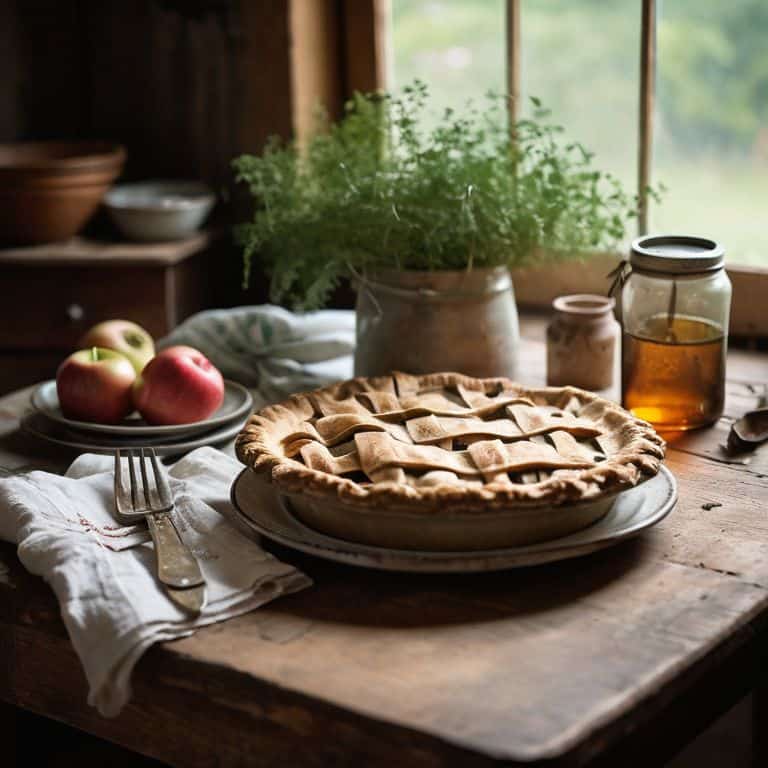
I’ve also become obsessed with styling with vintage cutlery, there’s something about the worn, weathered look that just adds a level of sophistication to any dish. And let’s not forget about linens – a simple, yet elegant tablecloth or napkin can completely transform the mood of a photo. I’ve spent hours scouring thrift stores and antique shops for the perfect pieces to add to my collection. Whether it’s a beautifully embroidered table runner or a set of vintage ceramic plates, each item tells a story and adds a touch of personality to my photos.
When it comes to selecting the perfect ceramics for food presentation, I always look for pieces that have a bit of character. A handmade, one-of-a-kind bowl or plate can add a level of uniqueness to a photo that’s hard to replicate with mass-produced items. And, as a bonus, it supports local artisans and small businesses. By combining these unique elements with a little creativity, you can create truly stunning food scenes that are perfect for food styling for social media.
Beyond Food Photography Backdrops
As I delve deeper into the world of food styling, I find myself fascinated by the elements that elevate a scene beyond just a beautiful backdrop. It’s the subtle details that transport us to a cozy bakery or a bustling farmer’s market. I recall a shoot I did at a quaint little patisserie, where the owner’s vintage mixing bowls and worn wooden spoons added a touch of warmth to the entire setup. Those props didn’t just complement the pastries; they told a story of tradition and craftsmanship.
I’ve learned to hunt for such treasures at thrift stores, estate sales, and even my own grandmother’s attic. A distressed metal colander, a faded linen tablecloth, or a set of antique silverware can become the unsung heroes of a food scene. They add depth, texture, and a sense of history, making the viewer feel like they’re part of a larger narrative. By incorporating these unique elements, we can create a visual language that speaks to the heart of food culture.
Styling With Vintage Cutlery Charm
There’s something undeniably charming about vintage cutlery – the way it adds a touch of warmth and character to any food scene. I’ve found that incorporating antique forks, knives, and spoons into my styling can instantly elevate the visual appeal of a dish. Whether it’s a beautifully set table or a rustic, farm-to-table setup, vintage cutlery has a way of telling a story. I’ve spent hours scouring flea markets and thrift stores for unique pieces to add to my collection, and I never cease to be amazed by the way they can bring a sense of history and nostalgia to my photographs.
By pairing vintage cutlery with freshly baked goods or artisanal cheeses, I can create a sense of intimacy and invitation, drawing the viewer into the scene. The worn, distressed finishes and delicate engravings on these antique pieces seem to whisper tales of their own, adding depth and richness to the narrative I’m trying to convey.
Bringing Your Food Scenes to Life: 5 Essential Prop Tips
- Let the story of your dish shine through with authentic, vintage props that add a touch of history and character
- Experiment with natural textures like wood, linen, and stone to bring warmth and depth to your food scenes
- Don’t be afraid to get creative with unconventional props like antique doors, windows, or even vintage luggage to add a unique twist
- Play with scale and proportion by mixing large and small props to create visually interesting compositions
- Remember, the key to great food styling is to keep it simple and uncluttered – sometimes, the simplest props can make the biggest impact, so don’t overdo it
Key Takeaways to Elevate Your Food Styling
As I’ve learned from my adventures in the world of food styling, the right props can make all the difference in bringing your dishes to life – think vintage cutlery, distressed wood, and earthy ceramics
Experimenting with different textures and colors is crucial to adding depth and visual interest to your food scenes, whether you’re shooting a rustic sourdough or a delicate pastry
Ultimately, the most important ingredient in food styling is storytelling – every prop, every backdrop, and every garnish should work together to tell a story that draws the viewer in and makes them want to take a bite
The Art of Storytelling through Props
The right prop is not just an accessory, it’s a storyteller – it adds a layer of depth, a whisper of history, and a dash of personality to your food scene, making the viewer feel like they’re uncovering a secret recipe from a vintage cookbook.
David Dunne
Bringing Your Food Scenes to Life
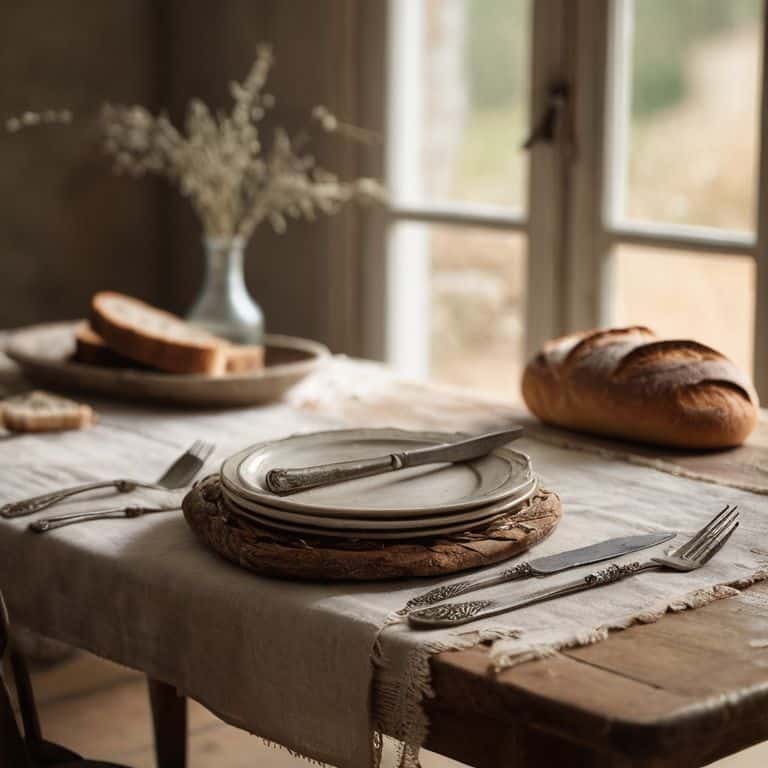
As I reflect on our journey through the world of food styling props, I’m reminded that the right tools can make all the difference in bringing your culinary creations to life. From vintage cutlery to rustic backdrops, each element plays a role in telling a story that’s both personal and inviting. Whether you’re a seasoned pro or just starting out, the key is to experiment and find the props that resonate with your unique voice and aesthetic. By doing so, you’ll not only elevate your food scenes but also create a sense of connection with your audience.
As you continue to explore the world of food styling, I encourage you to think beyond the ordinary and get creative with your props. Remember, the goal is to craft a narrative that’s both authentic and visually stunning. So, don’t be afraid to push boundaries, try new things, and most importantly, have fun with the process. With practice and patience, you’ll develop a keen eye for detail and a deep understanding of what makes a truly compelling food scene. And when that happens, the possibilities will be endless, and your passion for food styling will shine through in every single shot.
Frequently Asked Questions
What are some unique and creative ways to repurpose everyday objects as food styling props?
I love scouring thrift stores for hidden gems to repurpose as props – like turning vintage mason jars into rustic dessert displays or using old wooden spoons as makeshift plant markers for fresh herbs. It’s amazing how everyday objects can add a touch of warmth and character to your food scenes.
How can I balance the use of props in my food scenes without overpowering the main subject, the food?
For me, it’s all about restraint – I like to think of props as subtle storytellers, not scene-stealers. When styling a shot, I ask myself: does this prop enhance the food’s narrative or distract from it? A simple, elegant approach often wins out, letting the beauty of the dish shine through.
Are there any specific props or styling techniques that are particularly well-suited for capturing the warmth and coziness of baked goods, such as bread and pastries?
For capturing the warmth of baked goods, I swear by rustic wooden boards, woven baskets, and vintage linens – they add a homespun touch that’s just irresistible. And don’t even get me started on the magic of soft, golden lighting – it’s like a warm hug for your photographs.