I still remember the looks on my students’ faces when they first encountered the age-old dilemma: what is the difference between active dry and instant yeast. It’s a question that has sparked debates and confusion in the baking world, with some claiming that one is far superior to the other. As a certified master baker, I’ve seen my fair share of baking disasters, and I can tell you that the choice between active dry and instant yeast is not just about personal preference, but about understanding the science behind each type.
In this article, I promise to cut through the hype and give you a no-nonsense explanation of the differences between active dry and instant yeast. I’ll share my own experiences, gained from 20 years of teaching and experimenting in the kitchen, to help you make informed decisions about which type of yeast to use in your own baking. Whether you’re a seasoned pro or a beginner, my goal is to empower you with the knowledge you need to bake with confidence and precision, so you can focus on the magic of creating something truly special.
Table of Contents
Yeast Basics Uncovered
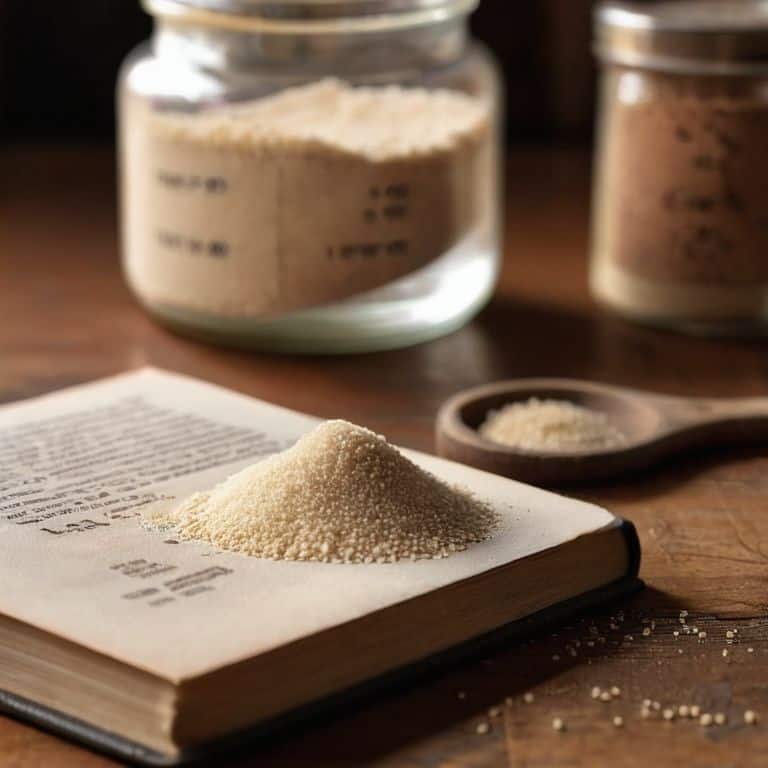
As we delve into the world of yeast, it’s essential to understand the fundamentals of yeast behavior. Yeast is a microorganism that feeds on sugars, producing carbon dioxide gas as a byproduct. This process is what causes dough to rise. When it comes to baking, having a basic understanding of yeast is crucial. I always recommend referring to a yeast conversion chart to ensure you’re using the right amount of yeast for your recipe.
When comparing active dry yeast vs instant yeast in recipes, it’s vital to consider the activation methods. Active dry yeast requires rehydration before use, whereas instant yeast can be added directly to the dry ingredients. This distinction is critical, as it affects the overall rise and texture of your baked goods. Proper storage is also essential to maintain the yeast’s potency. I advise my students to store yeast in an airtight container in the refrigerator to preserve its activity.
In my experience, understanding the difference between bread machine yeast and regular yeast can be a game-changer for home bakers. While they may seem interchangeable, these types of yeast have distinct characteristics that impact the final product. By grasping these subtleties, you’ll be better equipped to tackle more complex recipes, such as creating your own sourdough starters. With practice and patience, you’ll become proficient in using yeast to create a wide range of delicious baked goods.
Active Dry Yeast vs Instant the Core Difference
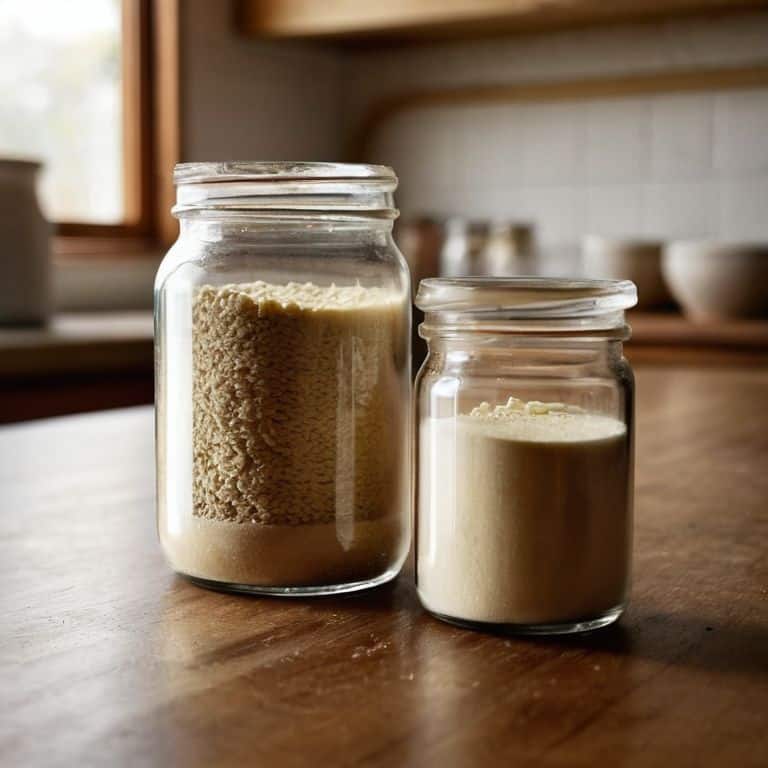
When it comes to yeast, understanding the distinction between active dry and instant yeast is crucial. The core difference lies in their activation requirements. Active dry yeast needs to be rehydrated before use, whereas instant yeast can be added directly to the dry ingredients.
The hydration process is what sets these two types of yeast apart in terms of usage and recipe formulation. By understanding how each type of yeast interacts with the other ingredients, you’ll be better equipped to choose the right one for your baking needs.
Yeast Conversion Chart a Bakers Best Friend
As we delve deeper into the world of yeast, it’s essential to have a reliable Yeast Conversion Chart. This handy tool helps bakers switch between active dry and instant yeast with ease, ensuring that their recipes turn out as expected. By using a conversion chart, you can confidently substitute one type of yeast for another, without compromising the final result.
When working with yeast, it’s crucial to understand the nuances of measurement conversion. A slight miscalculation can affect the entire baking process, leading to disappointing outcomes. By referencing a yeast conversion chart, you can ensure that your ingredients are accurately measured, and your baked goods turn out light, fluffy, and full of flavor.
What Is the Difference Between Active Dry and Instant Yeast
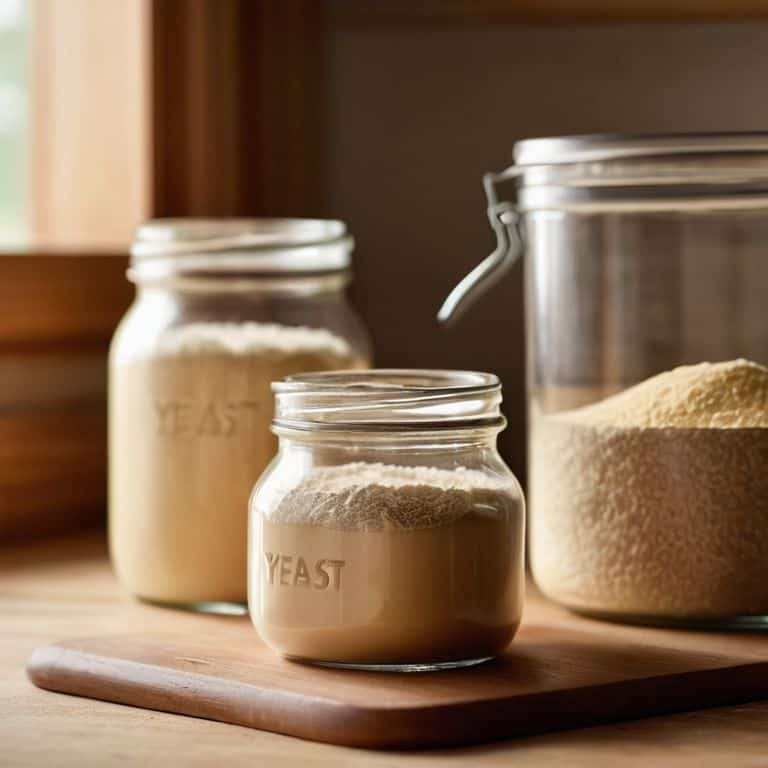
When it comes to yeast, understanding the nuances between types is crucial for achieving the perfect bake. Yeast conversion can be a tricky business, especially when substituting one type for another in a recipe. For instance, active dry yeast and instant yeast have different properties that affect the final product. In recipes, active dry yeast vs instant yeast can make a significant difference in terms of rise time and overall texture.
To ensure the best results, it’s essential to understand how to store yeast for baking. Proper storage can help maintain the yeast’s potency and prevent premature activation. Additionally, yeast activation methods can vary depending on the type of yeast being used. Some bakers swear by using a yeast conversion chart to determine the correct amount of yeast needed for a particular recipe.
In the world of bread making, using yeast in sourdough starters requires a deep understanding of the fermentation process. The difference between bread machine yeast and regular yeast may seem subtle, but it can greatly impact the final product. By grasping these fundamental concepts, bakers can unlock the secrets of working with yeast and produce delicious, consistent results.
Storing Yeast for Optimal Baking
To ensure your yeast remains active and ready for baking, proper storage is essential. Storing yeast in a cool, dry place is crucial, as moisture and heat can cause the yeast to activate prematurely, leading to a loss of potency. I recommend keeping yeast in an airtight container in the refrigerator or freezer to maintain its effectiveness.
When storing yeast, it’s also important to keep it away from light, as this can cause the yeast to degrade over time. By following these simple storage tips, you can maintain the quality and potency of your yeast, ensuring that your baked goods turn out light, fluffy, and delicious every time.
Yeast Activation Methods for Perfect Rise
To achieve the perfect rise, it’s essential to understand the different yeast activation methods. This process involves rehydrating the yeast to kickstart fermentation. By adding a small amount of warm water to the yeast, you can help activate it and ensure your dough rises evenly.
When using instant yeast, a simple mixture of warm water and sugar can be used to activate it. I like to think of this step as giving the yeast a gentle wake-up call, allowing it to start fermenting and producing carbon dioxide, which ultimately leads to a light and airy texture in your baked goods.
5 Essential Tips to Master the Difference Between Active Dry and Instant Yeast
- Always store active dry yeast in the fridge or freezer to preserve its potency, while instant yeast can be stored at room temperature but is still best kept in a cool, dry place
- Use the yeast conversion chart to adjust recipes between active dry and instant yeast, remembering that 1 teaspoon of active dry yeast is equivalent to 0.75 teaspoons of instant yeast
- When substituting active dry yeast with instant yeast in a recipe, reduce the amount by 25% to avoid over-yeasting, which can lead to off-flavors and poor texture
- Activate active dry yeast by mixing it with warm water (around 100°F to 110°F) before adding it to your dough, while instant yeast can be added directly to the dry ingredients without prior activation
- Monitor your dough’s temperature and rising time when using instant yeast, as it can ferment more quickly than active dry yeast, and adjust your recipe accordingly to achieve the perfect rise and texture
Key Takeaways for the Discerning Baker
Understand the fundamental difference between active dry yeast and instant yeast to make informed decisions in your baking recipes
Master the art of storing and activating yeast to ensure optimal performance and a perfect rise in your baked goods
Utilize a yeast conversion chart to seamlessly switch between active dry and instant yeast, eliminating guesswork and empowering you to bake with confidence and precision
The Yeast Truth
The difference between active dry and instant yeast is not just about convenience, but about understanding the unique characteristics of each and how they impact the delicate balance of your dough – it’s a distinction that can make all the difference between a bake that rises to expectations and one that falls flat.
Beatrice Quinn
Bringing it All Together: Yeast Mastery
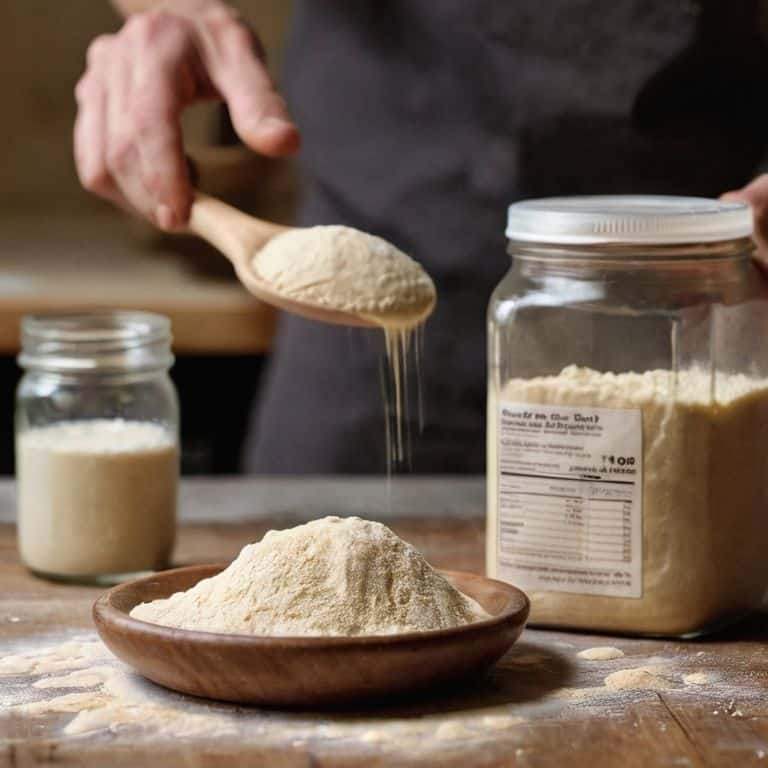
As we’ve explored the world of yeast, it’s clear that understanding the difference between active dry and instant yeast is crucial for any baker. From the core difference in their composition to the nuances of yeast conversion and storage, each detail plays a significant role in achieving that perfect rise. By mastering the art of yeast handling, including proper storage and activation methods, you’ll be well on your way to becoming a confident baker, capable of tackling any recipe that comes your way.
So, as you move forward in your baking journey, remember that the key to success lies not just in following a recipe, but in understanding the science behind it. Don’t be afraid to experiment, to try new things, and to learn from your mistakes. With time and practice, you’ll develop a keen sense of what works and what doesn’t, and you’ll be able to adapt any recipe to suit your needs. Happy baking, and I look forward to sharing more of the magic of baking with you in the future!
Frequently Asked Questions
Can I substitute active dry yeast with instant yeast in a recipe without affecting the final product?
While you can substitute active dry yeast with instant yeast, it’s essential to note that instant yeast is more potent. To make the switch, use about 25% less instant yeast than the recipe calls for in active dry yeast, and omit the initial activation step, as instant yeast can be mixed directly into dry ingredients.
How do I know if my yeast is still active and effective for baking?
To check if your yeast is still active, try the ‘proofing test’: mix 1 teaspoon of sugar, 1 teaspoon of active dry or instant yeast, and 1/2 cup of warm water (around 100°F to 110°F). If it foams and bubbles within 5 to 10 minutes, your yeast is alive and ready for baking.
Are there any specific recipes or types of dough that are better suited for active dry yeast versus instant yeast?
While both types of yeast can be used interchangeably in many recipes, I find that active dry yeast excels in slower-rising doughs like sourdough or breads with longer fermentation times, whereas instant yeast is perfect for quicker breads, pizzas, or pastries that require a rapid rise.