I still remember the first time I attempted to how to make a meringue in my culinary school days – it was a disaster! My instructor at the time told me that making a meringue is all about whipping those egg whites into a frenzy, but I soon learned that there’s more to it than just speed and luck. In fact, the key to a perfect meringue lies in understanding the simple science behind it. It’s not just about following a recipe, but about grasping the fundamental principles that make a meringue stable and crunchy.
As we dive into the world of meringue-making, I promise to share with you the no-nonsense advice and practical tips that I’ve gathered over the years. You’ll learn how to separate your eggs with confidence, how to whip those whites to the perfect consistency, and how to add just the right amount of sugar to create a meringue that’s both crispy and chewy. By the end of this article, you’ll be equipped with the knowledge and skills to make a meringue like a pro, and you’ll never have to rely on luck or guesswork again. So, let’s get started on this journey to meringue mastery, and discover the joy of creating something truly magical in the kitchen!
Table of Contents
Guide Overview: What You'll Need
Total Time: 2 hours 30 minutes
Estimated Cost: $10 – $20
Difficulty Level: Intermediate
Tools Required
- Electric Mixer (with whisk attachment)
- Measuring Cups
- Measuring Spoons
- Rubber Spatula
Supplies & Materials
- Egg Whites (3 large)
- Granulated Sugar (1 cup)
- Cream of Tartar (1/2 teaspoon)
- Salt (1/4 teaspoon)
- Baking Sheet (lined with parchment paper)
Step-by-Step Instructions
- 1. First, let’s start by understanding the importance of room temperature ingredients when making a meringue. This means taking your eggs and butter out of the fridge about an hour before you start baking. Room temperature eggs will whip up to a much greater volume than cold eggs, and this is crucial for creating a light and airy meringue.
- 2. Next, preheat your oven to 200°F (90°C) and line a baking sheet with parchment paper. It’s essential to use parchment paper to prevent the meringue from sticking to the baking sheet. Now, let’s move on to preparing our egg whites. In a clean and dry bowl, add 3 large egg whites and a pinch of salt.
- 3. Now it’s time to start whipping our egg whites. Using an electric mixer, beat the egg whites on low speed until they become frothy. This should take about 2 minutes. As you continue to whip, you’ll start to notice the egg whites becoming more stable and stiff. This is due to the formation of air bubbles and the denaturation of proteins in the egg whites.
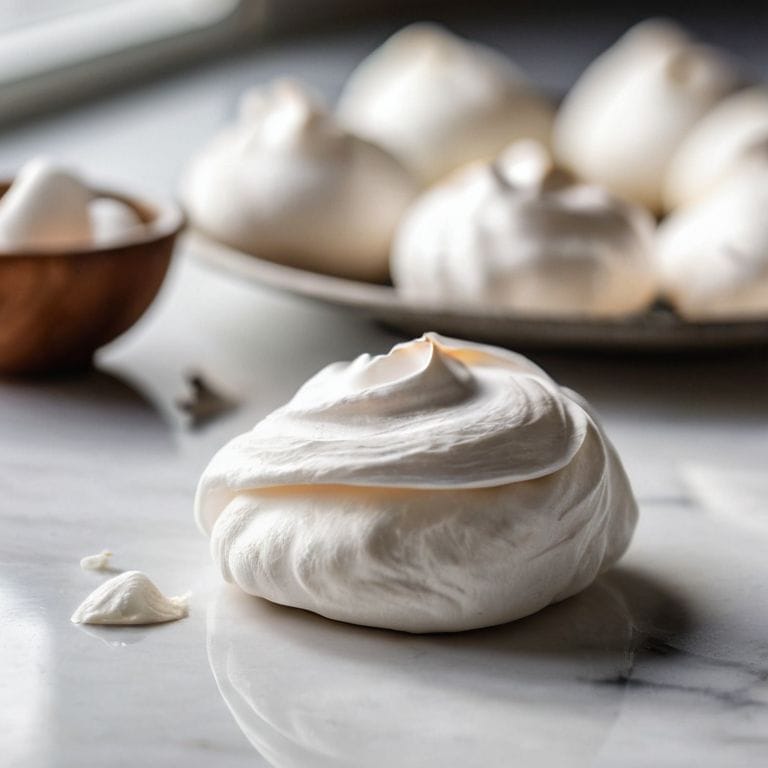
- 4. With your egg whites nicely whipped, it’s time to add sugar. Gradually add 1 cup of granulated sugar to the egg mixture while continuously whipping. It’s crucial to add the sugar slowly and carefully to prevent the meringue from becoming too dense. Continue whipping until the mixture becomes stiff and glossy, almost like marshmallow fluff.
- 5. The next step is to shape our meringue. You can use a piping bag or a spoon to create your desired shape. If you’re feeling artistic, you can try creating intricate designs or patterns on your baking sheet. Just remember to work quickly, as the meringue will start to spread and lose its shape over time.
- 6. Place the baking sheet in the preheated oven and dehydrate the meringue for about 1.5 hours. It’s essential to keep an eye on the temperature and ensure it doesn’t exceed 200°F (90°C). You want to dry out the meringue slowly, rather than cooking it quickly. After 1.5 hours, turn off the oven and let the meringue cool completely inside the oven.
- 7. Once the meringue has cooled, you can remove it from the oven and store it in an airtight container. It’s crucial to keep the meringue away from moisture, as it can become sticky and lose its texture. With these simple steps, you should now have a delicious and crispy meringue, perfect for topping pies, cakes, or just snacking on its own.
Cracking How to Make a Meringue
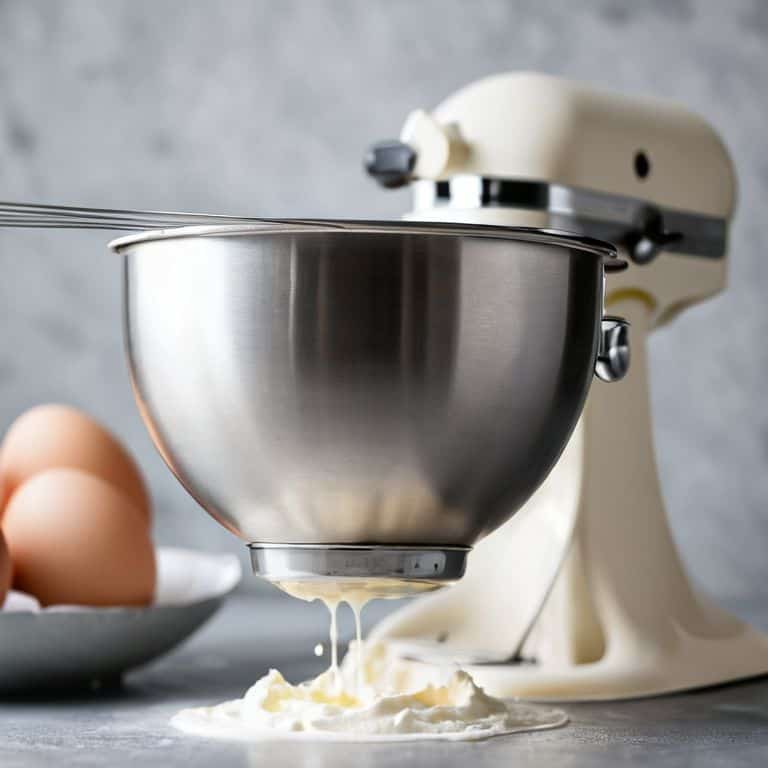
To truly master the art of creating a meringue, it’s essential to understand the science behind stabilizing egg whites. This process involves creating a strong network of protein bonds that will hold the air bubbles in place, resulting in a crispy and fluffy texture. When whipping egg whites, it’s crucial to do so slowly and gently, as overmixing can lead to a dense and weepy meringue.
As you progress in your meringue-making journey, you’ll want to explore various techniques, such as the Italian meringue technique, which involves slowly pouring hot sugar syrup into whipped egg whites. This method produces a more stable and smooth meringue, perfect for creating intricate desserts. It’s also important to be aware of common meringue mistakes, such as overmixing or underbaking, which can result in a disappointing texture.
When it comes to baking your meringue, it’s vital to get the meringue baking temperature just right. A temperature that’s too high can cause the meringue to brown too quickly, while a temperature that’s too low can result in a chewy or soft texture. By understanding these key factors and practicing patience and precision, you’ll be well on your way to creating beautiful and delicious meringue-based desserts, from individual meringue cookies to elaborate meringue dessert ideas.
Avoiding Common Meringue Mistakes
When working with meringues, it’s essential to be mindful of common pitfalls that can cause them to collapse or become too chewy. Overmixing is a frequent mistake, as it can deflate the delicate air pockets that give meringues their signature lightness. Another error is introducing fat or moisture into the mixture, which can prevent the eggs from whipping up properly. To avoid these issues, make sure to use room-temperature eggs and thoroughly clean your equipment to prevent any residual oils from interfering with the whipping process.
By being aware of these potential pitfalls, you can take steps to prevent them and ensure your meringues turn out perfectly. Remember, practice makes perfect, so don’t be discouraged if your first few attempts don’t yield the desired results. With patience and attention to detail, you’ll soon be crafting beautiful, fluffy meringues like a pro.
Stabilizing Egg Whites for Success
To stabilize egg whites, it’s essential to understand their structure. Egg whites are primarily composed of water and proteins. When you whip them, you’re incorporating air and unfolding these proteins, which then form a network of bubbles. This network is what gives meringues their light, airy texture. However, this process can be delicate. Over-whipping can cause the proteins to become too rigid, leading to a collapse of the meringue.
I always recommend whipping egg whites in a cool environment and using room-temperature eggs for better stability. Adding a pinch of cream of tartar or lemon juice can also help to strengthen the protein bonds, making the meringue more resilient to heat and moisture. By taking these simple steps, you can ensure that your egg whites are stable and ready to be transformed into a beautiful, crispy meringue.
Whipping Up Success: 5 Essential Tips for Making Meringue
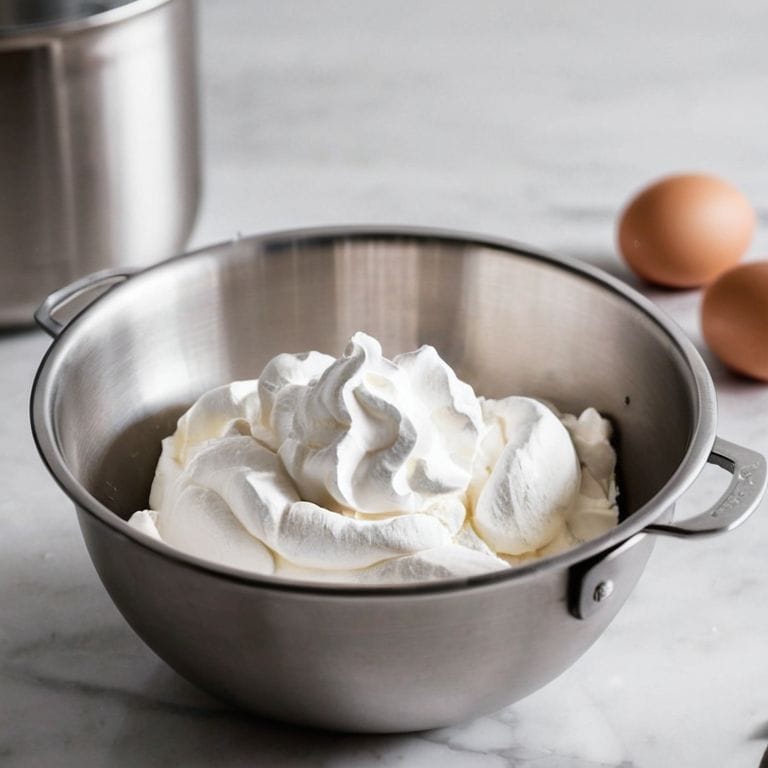
- Use room temperature egg whites for easier whipping and a more stable foam
- Add a pinch of salt to help strengthen the protein bonds and improve texture
- Gradually add sugar in small increments, allowing each portion to dissolve before adding the next
- Avoid over-whipping, as this can cause the meringue to become too dense and prone to cracking
- Use a water bath or low-temperature oven to dry out the meringue, helping it to set and maintain its structure
Key Takeaways for Mastering Meringue
Understanding the science behind stabilizing egg whites is crucial for achieving a smooth, glossy meringue that holds its shape perfectly
Avoiding common mistakes such as overmixing, underbaking, or introducing fat or water into the mixture is essential for meringue success
By following precise measurements, maintaining a clean and dry environment, and being patient with the whipping process, you can consistently produce light, airy, and delicious meringue-based desserts
The Heart of Meringue Making
A perfect meringue is not just about whipping egg whites, it’s about understanding the delicate dance of protein and air, where every fold and every temperature shift can make the difference between a masterpiece and a mishap.
Beatrice Quinn
Mastering the Art of Meringue: A Sweet Conclusion
As we wrap up our journey to master the art of making a meringue, let’s recap the key points that will make your meringue-making experience a success. We’ve covered the importance of stabilizing egg whites, avoiding common mistakes, and following a simple yet precise step-by-step guide. By understanding the science behind meringue and applying these principles, you’ll be well on your way to creating light-as-air meringue-based desserts that will impress anyone. Remember, practice makes perfect, so don’t be discouraged if your first few attempts don’t turn out as expected.
Now that you’ve gained a deeper understanding of how to make a meringue, it’s time to unleash your creativity and experiment with different flavors and recipes. Whether you’re making individual meringue cookies or a show-stopping meringue-based cake, the sense of accomplishment you’ll feel when you present your creations to friends and family is truly priceless. So, go ahead, get baking, and remember that with every whisk and every fold, you’re not just making a dessert – you’re making memories that will last a lifetime.
Frequently Asked Questions
What is the ideal temperature and humidity level for making meringues?
For optimal meringue making, I recommend a cool, dry environment. Aim for a temperature between 60°F to 70°F (15°C to 21°C) and a humidity level below 60%. This will help prevent weeping or becoming too sticky, allowing you to achieve that perfect, crisp texture.
How do I know if my egg whites are properly stabilized for making meringues?
To check if your egg whites are properly stabilized, look for a smooth, glossy texture and a soft peak that holds its shape when the whisk is lifted. You can also do a simple test: stop whipping and let the mixture sit for a minute; if it doesn’t collapse, it’s ready to go!
Can I salvage a meringue that has collapsed or become too sticky during the baking process?
Don’t worry, it’s not a lost cause. If your meringue has collapsed or become too sticky, you can try salvaging it by gently folding in more egg whites or a small amount of cornstarch to absorb excess moisture. However, prevention is key, so let’s troubleshoot what might have gone wrong to avoid it next time.