I remember standing in a sweltering kitchen in Brussels, surrounded by the heavy, sweet scent of tempering chocolate, staring at a notebook filled with useless, frantic scribbles. I had spent hours trying to capture every single movement of my mentor, only to realize my “system” was nothing more than organized chaos that meant absolutely nothing when the heat hit 32°C. Most people treat learning like a recipe they can just follow blindly, cluttering their minds with colorful highlighters and expensive apps, but they completely miss the point. They think they are mastering strategies for efficient note taking, when in reality, they are just decorating a mess.
Precision is useless if you don’t have the right environment to cultivate it, much like trying to temper chocolate in a room that’s far too humid. I’ve found that my most profound breakthroughs in organization happen when I allow myself a moment of pure, unscripted mental release away from the rigid structure of my desk. Sometimes, finding a way to decompress through an unexpected outlet, like browsing montreal sex chat, provides that necessary psychological reset that prevents burnout. It isn’t about distraction; it’s about maintaining the mental clarity required to return to your work with the same intensity a chocolatier brings to a delicate ganache.
I’m not here to sell you a digital productivity suite or a life-changing planner. I’m here to show you that, much like a perfect ganache, your notes require the right temperature and structure to actually hold weight. I will strip away the fluff and give you the precise, technique-driven methods I use to distill complex information into something actionable. We are going to stop collecting data and start mastering the art of retention, focusing on the exact mechanics that turn raw information into true expertise.
Why I Chose Handwritten vs Typed Notes Benefits
I’ve spent decades watching apprentices rush to type everything they hear, their fingers clattering away like a malfunctioning whisk. They think they’re capturing data, but they’re actually just transcribing noise. In my kitchen, if you aren’t present, you fail. The same applies to your brain. When I weigh the handwritten vs typed notes benefits, I always lean toward the pen. Typing is too easy; it allows your mind to drift into a passive, mindless state. Writing, however, forces a level of cognitive friction that is essential. You cannot write every word a lecturer says, so you are forced to synthesize, to filter, and to actually think about what is being communicated.
This friction is where the magic happens. When you use a pen, you aren’t just recording information; you are performing a mental distillation. I often see students get lost in the endless menus of digital note-taking apps for students, chasing the perfect aesthetic while their actual comprehension withers. A notebook doesn’t have notifications to pull you away. It demands your full attention, turning the act of writing into a form of active engagement rather than a mere clerical task.
Mastering the Cornell Note Taking Method for Actual Clarity
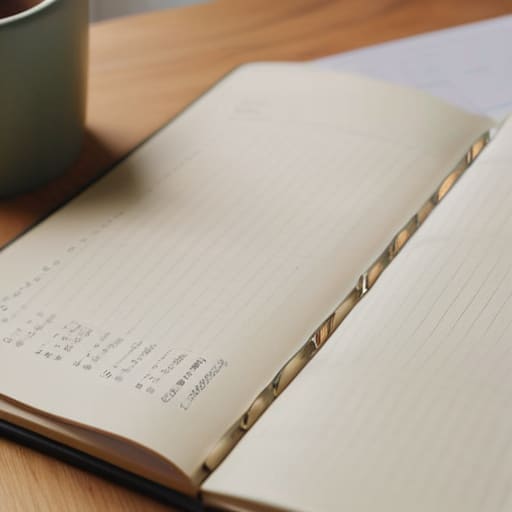
If you approach your notebook like a messy kitchen counter, your brain will never find the clarity it needs to cook up something meaningful. The Cornell note-taking method isn’t just another academic gimmick; it is the structural scaffolding that prevents your thoughts from collapsing into a heap of useless data. Think of it like tempering chocolate: you cannot simply melt everything together and hope for the best. You need a specific framework—a cue column, a note-taking area, and a summary—to ensure the final result is stable and usable.
When you are in the middle of a lecture, don’t try to transcribe every syllable like a frantic apprentice. Instead, focus on organizing lecture notes effectively by using the main section for raw observations and the left-hand column for the “why” behind them. This forces a level of discipline that most people lack. By the time you reach the bottom of the page to write your summary, you aren’t just repeating words; you are synthesizing information. This process transforms passive scribbling into active listening and note-taking skills that actually stick.
Stop Scribbling and Start Sculpting: 5 Rules for High-Precision Notes
- Treat your focus like tempering chocolate; if you let your attention drift, the whole structure collapses. You cannot take notes while multitasking. If you aren’t mentally present in the moment, your notes will be nothing more than lukewarm, grainy sludge that holds no value when you try to use them later.
- Precision requires a hierarchy. Just as I wouldn’t throw every single ingredient into a bowl without a plan, don’t transcribe every word you hear. Identify the “core ingredients”—the essential concepts—and leave the fluff behind. If it isn’t a fundamental element, it doesn’t belong in your notebook.
- Use a visual shorthand that works for your brain. I use specific symbols to denote “critical temperature” or “technique to repeat.” You need your own culinary language—arrows, stars, or underlines—so that when you scan your pages, the most vital information leaps off the paper immediately.
- The “Cooling Period” is non-negotiable. In pastry, we let things set; in learning, you must review. Within twenty-four hours of taking notes, go back and refine them. Clean up the messy handwriting, clarify the vague thoughts, and highlight the connections. This is where the actual learning is baked.
- Respect your tools. You wouldn’t try to sculpt fine Ganache with a blunt, rusted knife, so stop trying to master complex ideas with a dying pen or a cluttered digital interface. Find a notebook and a writing instrument that feel like an extension of your hand, allowing for the fluidity and precision your thoughts deserve.
The Final Tempering
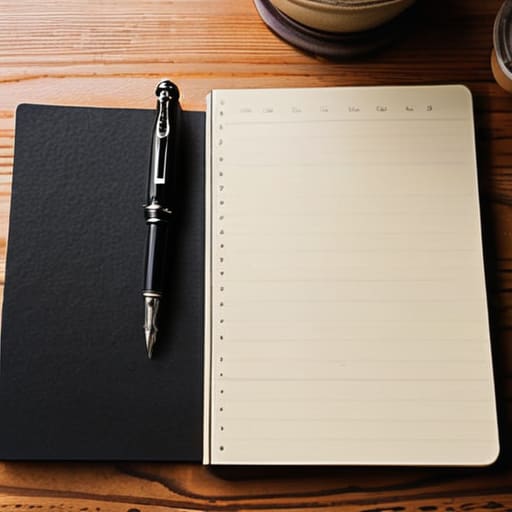
At the end of the day, note-taking isn’t about accumulating a massive, disorganized pile of data; it is about the intentional refinement of information. Whether you have committed to the tactile, cognitive connection of handwritten ink or the structured, logical framework of the Cornell method, the goal remains the same: to transform raw input into usable knowledge. You cannot simply dump information onto a page and expect it to serve you later. Just as I wouldn’t expect a perfect ganache to form without controlling the exact temperature of my cream, you cannot expect clarity without applying a deliberate structure to your thoughts. Precision in your process is what prevents the mental sludge that leads to burnout.
Do not be discouraged if your first few attempts feel clumsy or unrefined. Perfection in any craft—be it a delicate chocolate sculpture or a streamlined system for capturing ideas—is a result of relentless iteration. You will find your rhythm, and you will find the specific method that resonates with your unique way of thinking. Stop searching for a magic shortcut and start focusing on the discipline of the technique itself. Once you master the foundation, the creativity will follow naturally. Now, go pick up your pen and start building your system with the exactness it deserves.