As I stand in my bespoke cake studio, surrounded by the sweet scent of success and the gentle hum of mixers, I’m reminded of the countless times I’ve been asked about the secret to perfecting the art of buttercream frosting. It’s a question that gets to the heart of my passion for baking, and one that I’m excited to share with you in this guide on how to make buttercream frosting. The truth is, mastering this fundamental technique is not about following a formula, but about understanding the nuances of ingredients and technique. I’ve seen many a home baker frustrated by inconsistent results, and it’s time to set the record straight.
In this article, I promise to share my honest, no-hype approach to creating luxurious buttercream frosting that will elevate your bakes to new heights. You’ll learn the importance of using high-quality ingredients, such as rich, European-style butter and pure vanilla extract, and how to balance flavors and textures to achieve a smooth, creamy finish. Whether you’re a seasoned baker or just starting out, my goal is to empower you with the knowledge and confidence to create beautiful, delicious cakes that showcase your unique style and creativity. So, let’s get started on this journey to buttercream perfection!
Table of Contents
- Guide Overview: What You'll Need
- Step-by-Step Instructions
- Mastering How to Make Buttercream Frosting
- Fixing Too Sweet Buttercream With Flavorful Extracts
- The Science of Stabilizing Whipped Cream Frosting
- Elevating Your Frosting Game: 5 Expert Tips
- Key Takeaways for the Perfect Buttercream
- The Heart of Buttercream
- The Sweetest Finishing Touch
- Frequently Asked Questions
Guide Overview: What You'll Need
Total Time: 30 minutes to 1 hour
Estimated Cost: $10 – $20
Difficulty Level: Easy
Tools Required
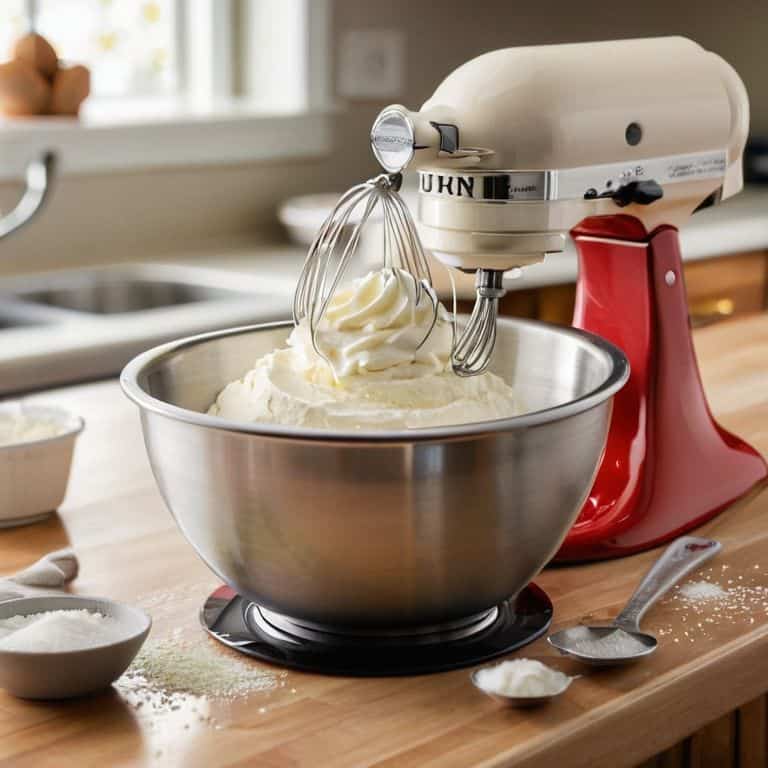
- Electric Mixer (stand or handheld)
- Measuring Cups
- Measuring Spoons
Supplies & Materials
- Unsalted Butter at room temperature
- Powdered Sugar
- Whole Milk
- Vanilla Extract (optional)
- Food Coloring (optional)
Step-by-Step Instructions
- 1. First, let’s start by preparing our ingredients, as the quality of our buttercream frosting heavily depends on the freshness and purity of our components. I always say that good ingredients are the backbone of any successful bake, and this is especially true for buttercream. Make sure you have room temperature, high-quality butter, pure vanilla extract, and finely granulated sugar at your disposal.
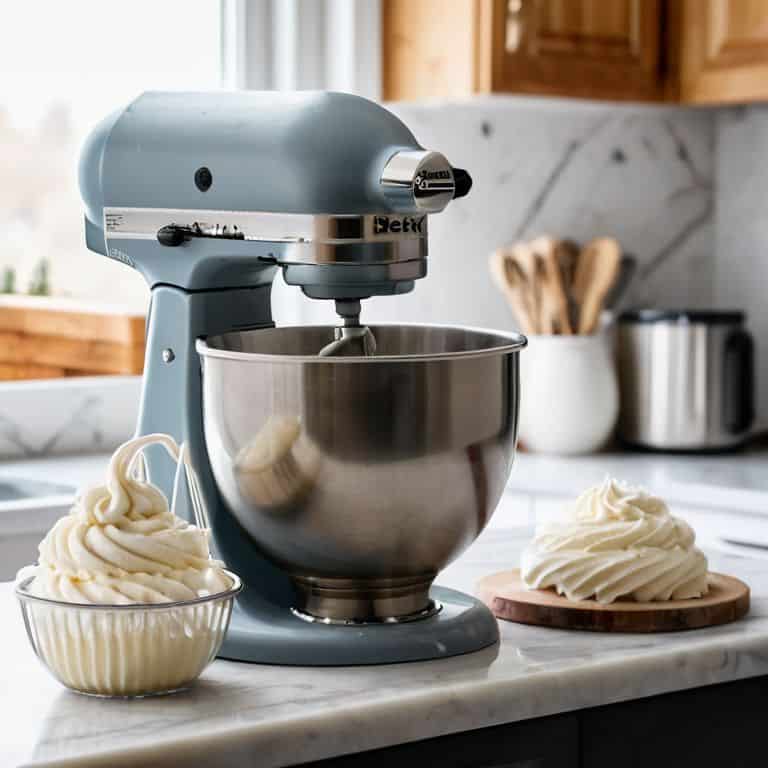
- 2. Next, we’ll be creaming our butter until it’s light and fluffy. This step is crucial, as it sets the foundation for our frosting’s texture. I find that using a stand mixer with a paddle attachment is the most efficient way to achieve this, but if you’re working with a handheld mixer or even doing it the old-fashioned way with a whisk, be prepared to put in a bit of elbow grease. The key here is to get the butter to a smooth and creamy consistency.
- 3. Now, it’s time to gradually add our sugar to the creamed butter. This is a step where patience is truly a virtue. I like to add the sugar in small increments, allowing each portion to fully incorporate before adding the next. This slow and steady approach helps prevent the formation of lumps and ensures a silky smooth texture in our final product.
- 4. With our butter and sugar fully incorporated, we can now introduce our vanilla extract. I’m quite particular about the quality of my vanilla, and I always opt for the real deal – pure vanilla extract. It adds a depth of flavor that’s hard to replicate with imitation products. Just a teaspoon will do, but trust me, it makes all the difference in giving our buttercream that extra je ne sais quoi.
- 5. The moment of truth arrives when we start adding our liquid ingredients. For a classic buttercream, this would typically be milk or cream, added gradually until we achieve the perfect consistency. This is where experience and intuition come into play, as the amount of liquid needed can vary depending on the humidity and temperature of your workspace. The goal is to reach a point where your frosting is spreadable but still holds its shape beautifully.
- 6. Once we’ve achieved the right consistency, it’s time to fine-tune the flavor and texture. If you find your frosting too sweet, you can add a pinch of salt. If it’s not creamy enough, you might need to add a bit more butter or cream. This is also the stage where you can get creative with different flavor combinations, such as adding a teaspoon of espresso powder for a mocha twist or a handful of melted chocolate for a chocolate buttercream.
- 7. Finally, the last step before our buttercream is ready to use is to beat it for an additional few minutes. This ensures that it’s light and airy, perfect for frosting cakes or decorating pastries. Be careful not to overbeat, as this can lead to a frosting that’s too thin and separates easily. When you’ve reached the perfect balance of texture and flavor, you know you’ve succeeded in making a truly exceptional buttercream frosting.
Mastering How to Make Buttercream Frosting
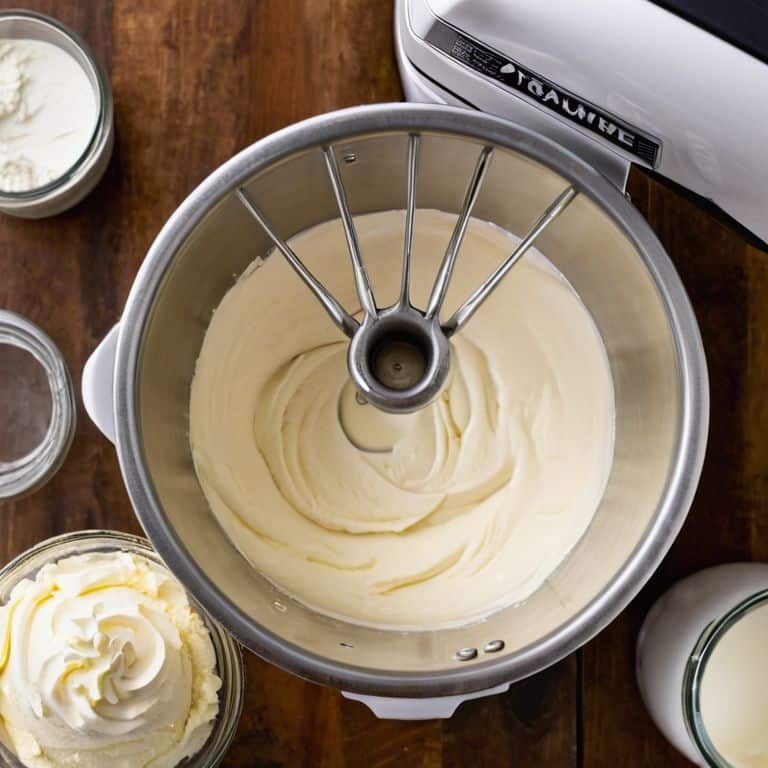
As I delve deeper into the world of buttercream, I want to share some expert tips for taking your frosting to the next level. One of the most crucial aspects of working with buttercream is achieving the perfect frosting consistency. If it’s too thin, it won’t hold its shape, and if it’s too thick, it can be difficult to spread. To get it just right, I recommend adjusting the ratio of butter to sugar and adding a touch of cream or milk as needed.
When it comes to flavoring buttercream with extracts, the possibilities are endless. I love experimenting with different combinations, such as vanilla and almond or lemon and lavender. The key is to start with a small amount and taste as you go, adding more extract until you reach the desired flavor. This will help you avoid overpowering the other ingredients and ensure a delicate, balanced taste.
For a truly professional finish, consider investing in a set of piping tips and practicing your piping techniques for buttercream. This will allow you to create beautiful, intricate designs on your cakes and take your presentation to new heights. With a little patience and practice, you’ll be creating stunning, stabilized whipped cream frosting-topped masterpieces in no time.
Fixing Too Sweet Buttercream With Flavorful Extracts
When I’m perfecting a buttercream recipe, I often find that it can tip into the realm of too sweet. To balance this, I turn to my collection of flavorful extracts. A few drops of high-quality vanilla or almond extract can work wonders, adding depth without overpowering the other ingredients. I also love experimenting with more unique flavors like lemon or orange blossom water to create a truly one-of-a-kind taste experience.
By introducing these extracts, you’ll not only reduce the perceived sweetness but also elevate your buttercream to a sophisticated, artisanal level. Remember, the key is to start with small amounts and taste as you go, adjusting the flavor to your liking. With a little practice, you’ll be able to effortlessly craft buttercreams that are both sublime and refined, perfect for adorning your most exquisite cakes.
The Science of Stabilizing Whipped Cream Frosting
To take your buttercream to the next level, let’s delve into the science of stabilizing whipped cream frosting. This is where the magic happens, and your frosting transforms from a mere topping to a structural element of your cake. I always say that understanding the chemistry behind baking is key to creating truly exceptional pastries. When it comes to whipped cream, it’s all about balancing the fat and water content to achieve a stable, yet light and airy texture.
By incorporating a small amount of gelatin or cornstarch into your whipped cream, you’ll be amazed at how it enhances the overall structure and stability. This simple trick allows you to create intricate designs and patterns that will hold their shape, even in warmer temperatures. Trust me, the extra step is worth it – your cakes will thank you!
Elevating Your Frosting Game: 5 Expert Tips
- The Butter Matters: Choose high-quality, European-style butter with a high fat content for the best flavor and texture in your buttercream frosting
- Temperature Tango: Ensure your ingredients, especially the butter and eggs, are at room temperature for a smooth and even incorporation of air
- Sugar Symphony: Balance the sweetness of your buttercream by adjusting the amount of sugar to your taste, and consider using alternative sweeteners like honey or maple syrup for added depth
- Flavor Fusion: Experiment with different extracts, such as vanilla, almond, or coffee, to add unique and intriguing flavors to your buttercream frosting
- Whip it Good: Don’t over-whip your buttercream, as this can lead to a too-stiff or even separated frosting – stop whipping once you’ve reached the desired consistency and silky texture
Key Takeaways for the Perfect Buttercream
I’ve found that using high-quality ingredients, especially rich, European-style butter and pure vanilla extract, is essential for creating a luxurious and stable buttercream frosting
Understanding the science behind stabilizing whipped cream frosting can elevate your buttercream game, allowing you to create light and airy textures that hold their shape beautifully
By mastering the art of balancing flavors, you can rescue even the most cloyingly sweet buttercream with the strategic use of flavorful extracts, such as a hint of almond or a drizzle of coffee, to create a truly sophisticated taste experience
The Heart of Buttercream
Buttercream frosting is not just a topping, it’s the crowning glory of a cake – a perfect balance of flavor, texture, and visual appeal that can elevate a simple dessert into a masterpiece, if you’re willing to put in the love and technique required to get it just right.
Alison Lawson
The Sweetest Finishing Touch
As we conclude our journey to mastering the art of buttercream frosting, let’s recap the essential elements that elevate this sweet delight. From the initial steps of combining ingredients to the final decorative touches, precision and patience are key. We’ve explored the science behind stabilizing whipped cream frosting and discovered how to balance flavors with high-quality extracts. By embracing these techniques, you’ll be well on your way to creating luxurious, velvety-smooth buttercream that’s sure to impress.
Now, as you stand in your kitchen, whisk in hand, remember that the true magic of buttercream frosting lies not just in its taste, but in its ability to transform a simple cake into a work of art. So, don’t be afraid to experiment, to push the boundaries of flavor and design. With every swirl of your spatula, you’re not just making a dessert – you’re crafting a memory, a moment of joy that will be savored by all who taste your creations.
Frequently Asked Questions
What is the ideal ratio of butter to sugar for a rich and creamy buttercream frosting?
For a rich and creamy buttercream, I swear by a ratio of nearly 1:2, butter to sugar. This means for every 200g of butter, I use approximately 400g of sugar. This balanced ratio yields a frosting that’s both velvety and stable, with a deep, satisfying flavor that’s not cloyingly sweet.
How do I achieve a smooth and even consistency when whipping the butter and sugar together?
To achieve a smooth and even consistency, make sure to cream the butter and sugar at room temperature, using a stand mixer or a whisk. Start on low speed, gradually increasing as the mixture lightens, until it reaches a fluffy, pale yellow hue, typically around 2-3 minutes. This ensures an even emulsion, setting the foundation for a flawless buttercream.
Can I use salted butter instead of unsalted butter when making buttercream frosting, and if so, how will it affect the flavor?
While you can use salted butter, I advise against it, as it can disrupt the delicate balance of flavors. The added salt will intensify the flavor profile, potentially overpowering the sweetness and other ingredients. If you only have salted butter, omit any additional salt called for in the recipe and taste as you go, adjusting the sweetness and flavor accordingly.