As a master pastry chef, I’ve often found myself frustrated with the overly complicated explanations of what is the Maillard reaction. It’s as if some chefs and food scientists want to make this fundamental concept sound like rocket science. But trust me, it’s not. In fact, understanding the Maillard reaction is crucial for any serious baker or cook, and it’s much simpler than you think. I’ve spent years perfecting my craft in some of the world’s top kitchens, and I can tell you that temperature control is key to unlocking the secrets of the Maillard reaction.
In this article, I promise to cut through the hype and give you a no-nonsense guide to the Maillard reaction. I’ll share my personal experiences and techniques for harnessing its power to create irresistible flavors and aromas. You won’t find any fancy scientific jargon or unnecessary complexity here. Just straightforward, experience-based advice from someone who’s spent years mastering the art of pastry-making. My goal is to empower you with the knowledge and confidence to take your baking and cooking to the next level, and to show you that with practice and patience, perfection is within reach.
Table of Contents
- What Is the Maillard Reaction
- The Science of Browning Effect
- Unlocking the Maillard Reaction: 5 Essential Tips for Elevating Your Craft
- Mastering the Maillard Reaction: 3 Essential Takeaways
- The Maillard Reaction: A Chef's Perspective
- Unlocking the Secrets of the Maillard Reaction
- Frequently Asked Questions
What Is the Maillard Reaction
As a pastry chef, I’ve always been fascinated by the chemical reaction in cooking that occurs when food is exposed to heat. This phenomenon is responsible for the browning effect on flavor, which adds depth and complexity to our creations. The Maillard reaction, named after the French chemist Louis-Camille Maillard, is a non-enzymatic browning process that involves the interaction between amino acid and sugar molecules.
When I’m working with chocolate, I need to carefully control the temperature to achieve the perfect heat induced flavor formation. This is where the Maillard reaction comes into play, as it helps to create the rich, caramel-like flavors that we all know and love. By understanding how to harness this reaction, I can create confections that are truly sublime.
In the world of food science and flavor development, the Maillard reaction is a fundamental concept that underlies many of our techniques. By mastering this reaction, we can unlock new flavors and textures that elevate our pastries to the next level. Whether I’m sculpting with chocolate or crafting intricate desserts, I always keep the Maillard reaction in mind, as it’s the key to creating truly unforgettable culinary experiences.
Heat Induced Flavor Formation Secrets
As I delve into the world of heat-induced flavor formation, I’m reminded of the importance of temperature control in unlocking the secrets of the Maillard reaction. It’s a delicate dance between heat, time, and ingredients that can make or break the flavor profile of a dish.
The key to mastering this process lies in understanding how heat energy is transferred to the ingredients, triggering a cascade of chemical reactions that ultimately lead to the formation of new flavor compounds.
Unpacking Non Enzymatic Browning Process
As I delve into the world of non-enzymatic browning, I’m reminded of the intricate dance between amino acids and reducing sugars. This process is a crucial aspect of the Maillard reaction, where heat induces a series of complex transformations.
The key to success lies in understanding how temperature and time intersect to produce the perfect balance of flavors and textures. By carefully controlling these elements, I can coax out the deepest, richest flavors from my ingredients, whether I’m crafting a delicate sauce or a decadent chocolate sculpture.
The Science of Browning Effect
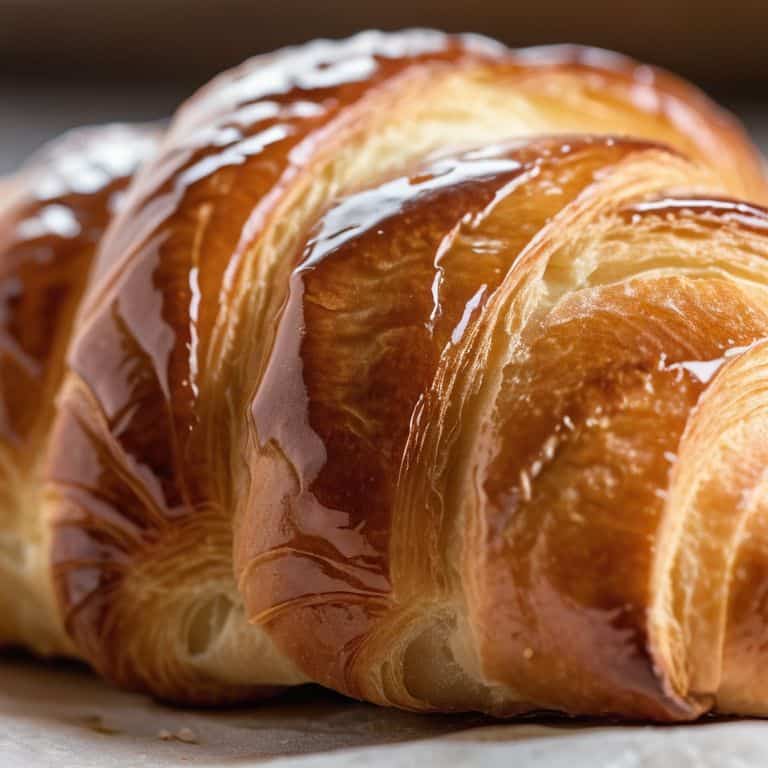
As I delve into the world of pastry, I’m reminded that the browning effect on flavor is a crucial aspect of creating irresistible desserts. The chemical reaction in cooking that occurs when amino acids and reducing sugars interact is truly fascinating. This process, known as non enzymatic browning, is responsible for the formation of new flavor compounds and the development of rich, caramel-like flavors.
When it comes to heat induced flavor formation, temperature control is essential. As a chocolatier, I can attest that even a slight variation in temperature can affect the final product. The interaction between amino acids and sugars is highly sensitive to heat, and precise temperature control is necessary to achieve the desired browning effect. By understanding this process, pastry chefs can create complex flavor profiles that elevate their desserts to new heights.
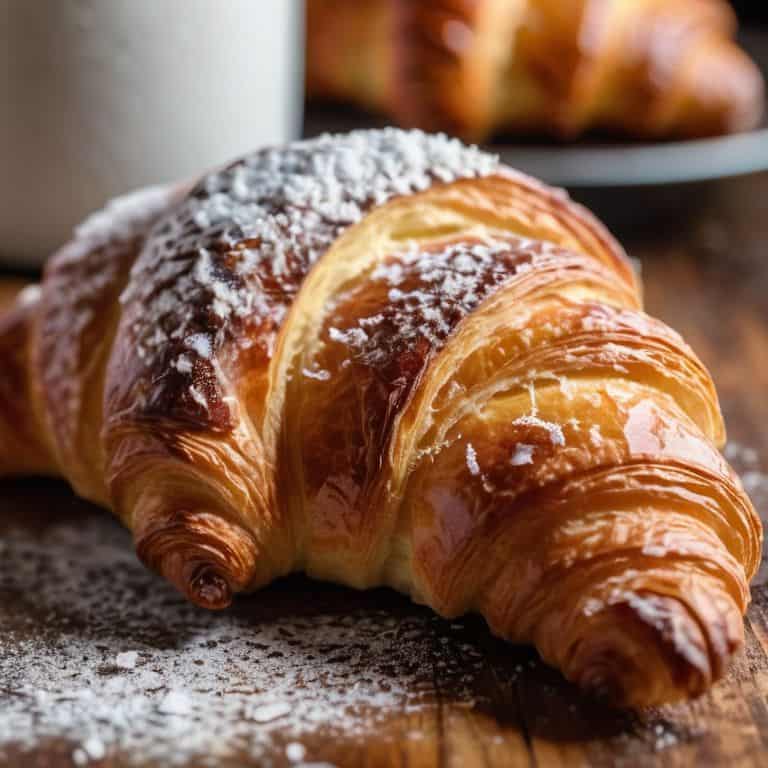
In the realm of food science and flavor development, the study of non enzymatic browning processes has led to a greater understanding of how to manipulate flavors in cooking. By carefully balancing amino acid and sugar interaction, chefs can create a wide range of flavors and textures, from the crispy, caramelized crust on a perfectly baked croissant to the deep, velvety smoothness of a well-tempered chocolate.
Amino Acid and Sugar Interaction Magic
As I delve into the world of Maillard reaction, I’m fascinated by the intricate dance between amino acids and reducing sugars. This interaction is the backbone of the reaction, where the amino acids provide the nitrogen source and the reducing sugars offer the carbon skeleton. The combination of these two components under heat leads to the formation of new compounds, resulting in the development of unique flavors and aromas.
The chemical harmony between amino acids and sugars is what makes the Maillard reaction so captivating. When these molecules interact, they break down and recombine into new structures, releasing a plethora of flavors and fragrances. This process is responsible for the rich, caramel-like flavors in seared foods and the deep, nutty aromas in roasted coffee, making it a fundamental aspect of culinary chemistry.
Food Science and Flavor Development Insights
As I delve into the world of flavor development, I’m reminded that temperature control is crucial in unlocking the full potential of ingredients. The Maillard reaction is a perfect example of how heat can transform the flavor profile of a dish. By carefully managing temperature, chefs can coax out the desired flavors and aromas from their ingredients.
In my experience, precise timing is also essential in flavor development. When working with sensitive ingredients like chocolates or vanilla beans, even a slight miscalculation can throw off the entire balance of flavors. By mastering the art of timing, pastry chefs can create truly exceptional desserts that showcase the perfect harmony of flavors and textures.
Unlocking the Maillard Reaction: 5 Essential Tips for Elevating Your Craft
- Understand the interplay between temperature, time, and the ratio of amino acids to reducing sugars to predict and control the Maillard reaction in your dishes
- Experiment with different cooking methods, such as grilling, roasting, or searing, to observe how varying heat applications influence the Maillard reaction and resulting flavors
- Select ingredients with high reactivity, like glutamates and asparagines, to amplify the Maillard reaction and create deeper, more complex flavor profiles
- Pay attention to the role of pH levels in your ingredients, as acidic environments can significantly impact the rate and outcome of the Maillard reaction, affecting the final taste and aroma
- Practice patience and observation, as mastering the Maillard reaction requires a deep understanding of how it unfolds over time, allowing you to intervene at the perfect moment to achieve the desired culinary effect
Mastering the Maillard Reaction: 3 Essential Takeaways
I’ve found that understanding the Maillard reaction is key to unlocking the full flavor potential of any dish, and it all starts with the harmonious union of amino acids, reducing sugars, and precise temperature control
By grasping the intricacies of non-enzymatic browning, you’ll be able to coax out the deepest, richest flavors from your ingredients, whether you’re searing a steak or crafting intricate pastry masterpieces
Remember, my friends, the true magic of the Maillard reaction lies not just in the science, but in the art of application – with practice, patience, and a commitment to precision, you’ll be well on your way to creating truly sublime culinary experiences that will leave your guests in awe
The Maillard Reaction: A Chef's Perspective
The Maillard reaction is not just a chemical reaction, it’s the spark that ignites the symphony of flavors, the whisper that awakens the aroma, and the gentle caress that coaxes out the beauty in every ingredient.
Juliette Le Roux
Unlocking the Secrets of the Maillard Reaction
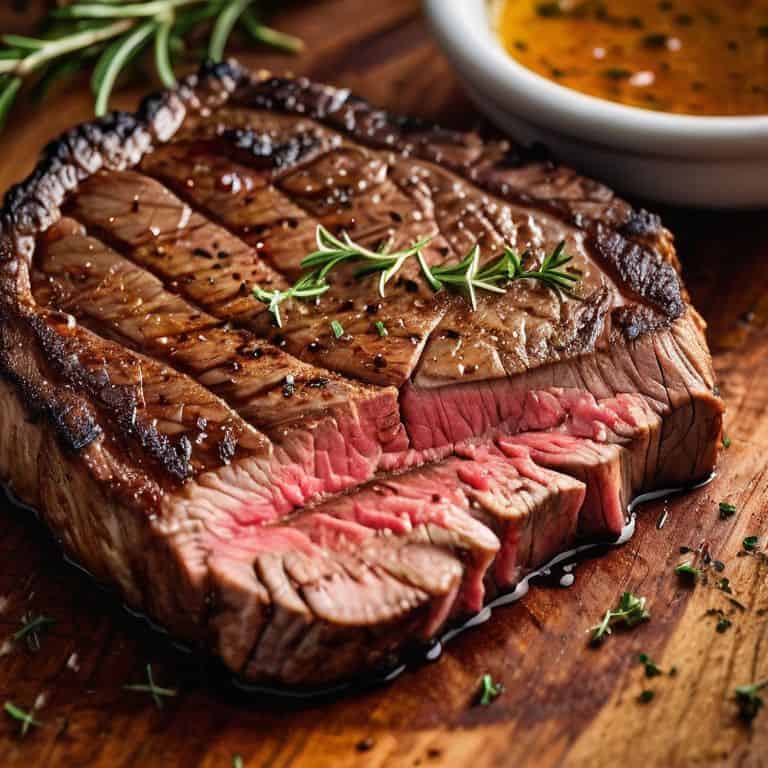
As we conclude our journey into the world of the Maillard reaction, it’s essential to recap the key takeaways. We’ve delved into the science behind this complex process, exploring how heat-induced flavor formation and non-enzymatic browning work together to create the rich, deep flavors and aromas that elevate our dishes from ordinary to extraordinary. By understanding the interaction between amino acids and sugars, and how this magical process unfolds, we can begin to harness the power of the Maillard reaction in our own kitchens, coaxing out the hidden flavors that make our creations truly unforgettable.
The pursuit of culinary perfection is a lifelong journey, and mastering the Maillard reaction is a crucial step along the way. As you continue to experiment and push the boundaries of what’s possible, remember that the true art of cooking lies not just in following a recipe, but in understanding the why behind the techniques. By embracing this mindset, you’ll unlock a world of culinary creativity and innovation, where the possibilities are endless, and the joy of discovery is always just a dish away. So go ahead, get cooking, and let the Maillard reaction be your guide on the path to gastronomic greatness.
Frequently Asked Questions
How does the Maillard reaction impact the texture of food?
The Maillard reaction’s impact on texture is subtle yet crucial. As it unfolds, it can enhance crispiness, tenderize tissues, and even create those coveted caramelized crusts. In pastry, this means a perfectly baked croissant or a satisfying crunch on a chocolate tart. It’s all about balance – too little, and you miss out; too much, and it’s burnt.
Can the Maillard reaction occur at low temperatures or is high heat always required?
While high heat accelerates the Maillard reaction, it’s not always required. I’ve seen it occur at lower temperatures, given enough time. Think of a perfectly aged cheese or a carefully crafted, low-and-slow cooked BBQ – the Maillard reaction is still at work, just more patiently. Temperature is key, but time is its trusty sidekick.
Are there any specific ingredients that are more prone to undergoing the Maillard reaction than others?
Ah, the Maillard reaction’s sweet spot! Certain ingredients are indeed more susceptible to this flavor magic. I find that reducing sugars like onions, bell peppers, and bananas, as well as amino acid-rich foods like meats and fish, are particularly prone to undergoing this transformation.