As I stand in my kitchen, surrounded by the warm scent of butter and the soft glow of afternoon light, I’m reminded of the countless times I’ve been asked about the secrets of working with almond flour. Many believe that a guide to baking with almond flour is all about complicated recipes and hard-to-find ingredients, but the truth is, it’s quite the opposite. With a few simple techniques and a understanding of how almond flour behaves, you can create exquisite pastries and cakes that are not only delicious but also visually stunning.
In this article, I promise to share my honest, no-hype advice on how to master a guide to baking with almond flour. You’ll learn about the importance of ratio and proportion, how to choose the right type of almond flour for your recipe, and the simple tricks that will take your baked goods from good to truly exceptional. Whether you’re a beginner or an experienced baker, my goal is to empower you with the knowledge and confidence to create beautiful, delicious cakes and pastries that will impress anyone. So, let’s get started on this journey together and unlock the secrets of baking with almond flour!
Table of Contents
- Guide Overview: What You'll Need
- Step-by-Step Instructions
- A Guide to Baking With Almond Flour
- Elevating Your Bakes: 5 Essential Tips for Working with Almond Flour
- Key Takeaways for Baking with Almond Flour
- The Almond Flour Epiphany
- Embracing the Art of Almond Flour Baking
- Frequently Asked Questions
Guide Overview: What You'll Need
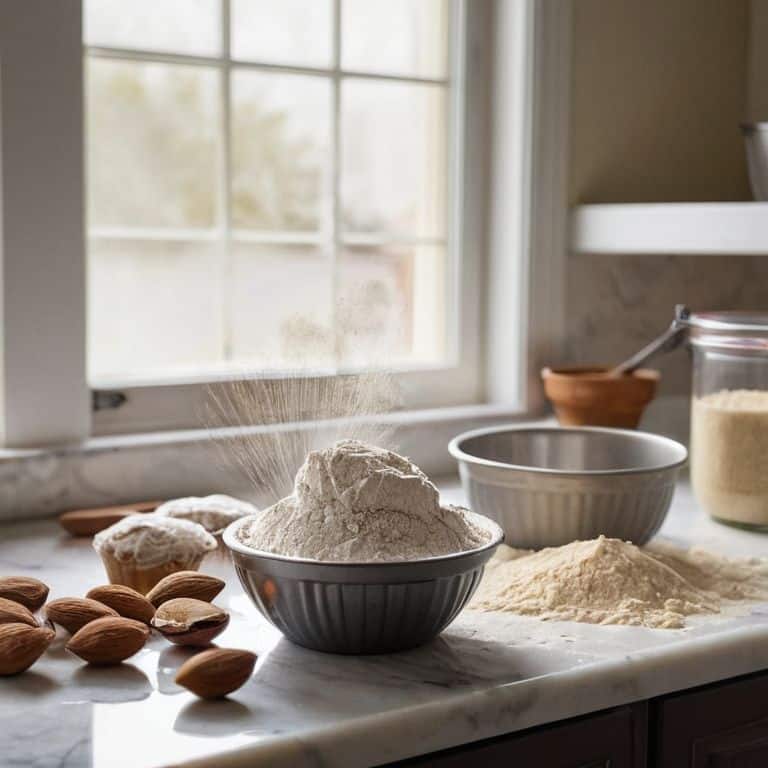
Total Time: 1 hour 45 minutes
Estimated Cost: $20 – $40
Difficulty Level: Intermediate
Tools Required
- Digital Scale (for accurate measurements)
- Mixing Bowls (stainless steel or glass)
- Electric Mixer (stand or handheld)
- Measuring Cups (dry and liquid)
- Measuring Spoons
Supplies & Materials
- Almond Flour (1 to 2 cups)
- Baking Soda (1 teaspoon)
- Salt (1/2 teaspoon)
- Granulated Sugar (1 cup)
- Large Eggs (2 to 3 eggs)
- Unsalted Butter (melted, 1/2 cup)
- Flavorings (optional, e.g., vanilla extract)
- Baking Pans (8 inches round or 9 inches square)
Step-by-Step Instructions
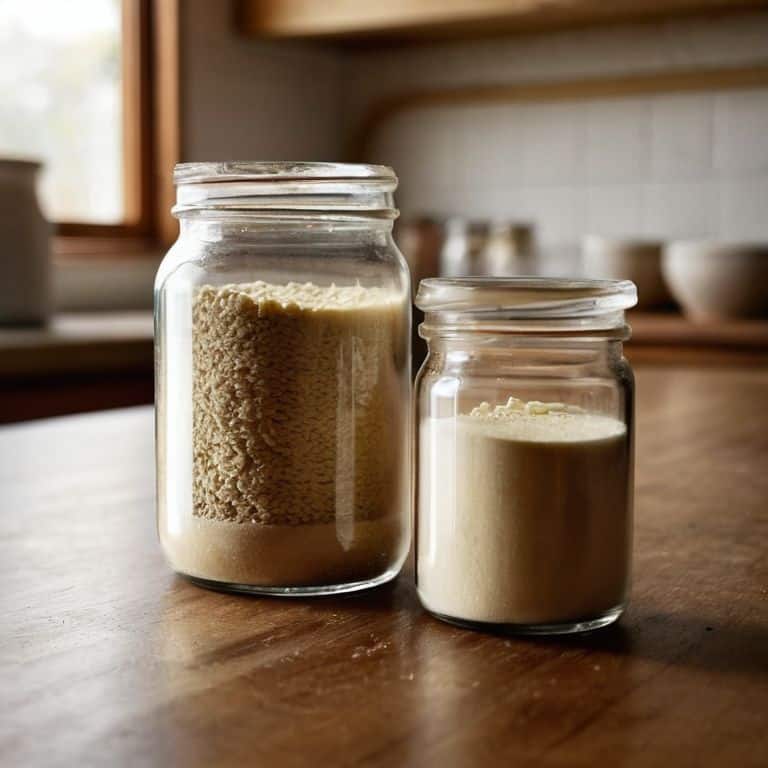
- 1. To begin our journey into the world of almond flour baking, let’s start with the fundamentals of ingredient selection. I always say that the quality of your ingredients is paramount, and this is especially true when working with almond flour. Look for a fine, blanched almond flour that is fresh and has a delicate nutty aroma. This will ensure that your baked goods have the best possible flavor and texture.
- 2. Next, it’s essential to understand the ratio of almond flour to sugar in your recipes. Unlike traditional wheat flour, almond flour lacks gluten, which means it can be more delicate to work with. Generally, I find that a 1:1 ratio of almond flour to sugar works beautifully, but this can vary depending on the specific recipe you’re using. Don’t be afraid to experiment and find the perfect balance for your taste buds.
- 3. Now, let’s talk about the importance of sifting and aerating your almond flour. This step is often overlooked, but it’s crucial for achieving a light and airy texture in your baked goods. Simply sift the almond flour over a large bowl, then use a whisk or fork to gently aerate it. This will help to remove any lumps and ensure that your flour is evenly distributed throughout your recipe.
- 4. When it comes to mixing and blending, it’s essential to be gentle yet thorough. Overmixing can be detrimental to the texture of your final product, so I recommend using a light hand when combining your ingredients. Start by whisking together your dry ingredients, then gradually add in your wet ingredients, mixing until just combined. Don’t overbeat – you want to maintain that delicate, tender crumb.
- 5. One of the most critical steps in baking with almond flour is tempering your eggs. This involves gently warming your eggs to room temperature, which helps them to mix more smoothly with the other ingredients. To temper your eggs, simply submerge them in warm water for a few minutes, then crack them into your mixing bowl. This simple step can make all the difference in the texture and structure of your final product.
- 6. As we move on to the baking process, it’s essential to remember that almond flour baked goods can be more prone to burning. To avoid this, I recommend using a lower oven temperature and keeping a close eye on your goods as they bake. You may also want to invest in a pizza stone or baking steel, which can help to distribute heat evenly and prevent burning.
- 7. Finally, let’s not forget the art of decoration and presentation. Once your baked goods have cooled, it’s time to get creative with your toppings and decorations. I love using fresh fruits, nuts, and edible flowers to add a pop of color and flavor to my creations. Remember, the presentation is just as important as the taste, so don’t be afraid to get creative and have fun with it!
A Guide to Baking With Almond Flour
As I delve into the world of almond flour baking, I’ve come to realize that almond flour substitution ratios can make or break a recipe. It’s essential to understand that almond flour behaves differently than traditional flour, and using the right ratio is crucial for achieving the perfect texture. When substituting almond flour in a traditional recipe, I always start by reducing the amount of liquid ingredients, as almond flour can absorb more liquid than traditional flour.
One of the most common mistakes in almond flour baking is overmixing the batter, which can lead to a dense and tough final product. To avoid this, I recommend mixing the ingredients just until they come together in a cohesive dough. This is especially important when working with almond flour pastry dough recipes, as overmixing can cause the dough to become tough and brittle. By being gentle and patient, you can create a delicate and flaky pastry that’s perfect for a variety of sweet and savory applications.
For those just starting out with almond flour baking, I recommend beginning with simple recipes and gradually experimenting with more complex converting traditional recipes to almond flour. This will help you develop a sense of how almond flour behaves and how to adjust your techniques accordingly. With practice and patience, you’ll be able to create stunning almond flour masterpieces that are sure to impress.
Avoiding Common Mistakes in Almond Baking
As I delve into the world of almond flour baking, I’ve encountered my fair share of trials and tribulations. One of the most common pitfalls is overmixing, which can lead to dense, tough cakes. To avoid this, I gently fold my wet and dry ingredients together, taking care not to overwork the batter. Another mistake is using the wrong type of almond flour – make sure to choose a finely ground, blanched variety for the best results.
By being mindful of these potential pitfalls, you’ll be well on your way to creating stunning, delicious almond flour baked goods. Remember, practice makes perfect, so don’t be discouraged if your first attempts don’t turn out as expected. With time and patience, you’ll develop the skills and intuition needed to craft truly exceptional treats.
Mastering Almond Flour Substitution Ratios
Mastering Almond Flour Substitution Ratios
When substituting almond flour into your favorite recipes, it’s essential to understand the delicate balance of ratios. I’ve found that a 1:1 substitution rarely yields the desired result, as almond flour absorbs more liquid than traditional flours. To achieve the perfect texture, I recommend starting with a 3:4 ratio of almond flour to all-purpose flour and adjusting from there. This will ensure your baked goods retain their structure and tender crumb.
By experimenting with these ratios, you’ll unlock the full potential of almond flour in your baking. Remember, it’s all about balance and harmony – just like a beautiful piece of art. With a little practice and patience, you’ll be creating stunning, delicious cakes that showcase the unique charm of almond flour.
Elevating Your Bakes: 5 Essential Tips for Working with Almond Flour
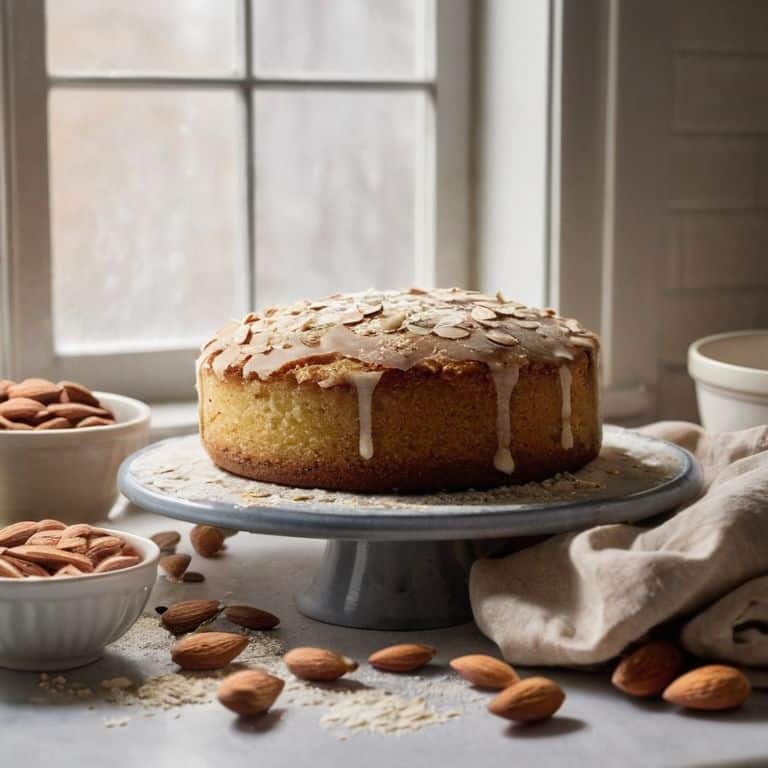
- The Art of Measurement: When substituting almond flour, remember that 1 1/4 cups of almond flour is equivalent to 1 cup of wheat flour – precision is key to achieving the perfect texture
- Understanding the Role of Liquids: Almond flour absorbs more liquid than traditional flour, so don’t be afraid to add an extra egg or a splash of cream to keep your batter moist and luxurious
- Unlocking Flavor: Combine almond flour with complementary ingredients like lemon zest, orange blossom water, or dark chocolate to create truly sophisticated and alluring flavor profiles
- Conquering Texture: To avoid dense or soggy results, ensure you’re using the finest quality almond flour and sift it thoroughly before incorporating it into your recipe – a light hand and gentle folding can make all the difference
- Embracing Experimentation: Don’t be discouraged by initial failures – almond flour baking is an art that requires patience, practice, and a willingness to innovate and try new combinations of ingredients and techniques
Key Takeaways for Baking with Almond Flour
I’ve found that substituting almond flour for traditional flour requires a delicate balance, typically starting with a 1:4 ratio of almond flour to wheat flour to achieve the perfect texture and structure in my cakes and pastries
Understanding the importance of ingredient ratios and the role of xanthan gum or eggs as binding agents is crucial in avoiding common mistakes such as crumbly textures or collapsed baked goods, as I’ve learned through trial and error in my own bespoke cake studio
By mastering the art of baking with almond flour and experimenting with unique flavor combinations, home bakers can create stunning, gluten-free desserts that are almost too beautiful to eat – a true testament to the magic of edible art
The Almond Flour Epiphany
As I mix and measure, I’ve come to realize that baking with almond flour is not just about substitution, but about transformation – it’s about coaxing out the hidden nuances of this elegant ingredient to create pastries that are at once tender, flavorful, and sublime.
Alison Lawson
Embracing the Art of Almond Flour Baking
As we conclude this journey through the world of almond flour baking, remember that mastering the substitution ratios and avoiding common mistakes are crucial steps in unlocking the full potential of this versatile ingredient. We’ve explored the science behind almond flour, from its unique texture to its nutty flavor profile, and how it can elevate your baked goods to new heights. By applying the techniques and tips outlined in this guide, you’ll be well on your way to creating stunning, delicious cakes and pastries that showcase the beauty of almond flour.
Now, as you embark on your own almond flour baking adventures, I encourage you to view each new creation as an opportunity to push the boundaries of culinary art. Don’t be afraid to experiment, to try new combinations of flavors and ingredients, and to let your imagination run wild. With every successful bake, you’ll not only be treating your taste buds to a delightful experience, but you’ll also be nurturing your creativity and refining your skills as a pastry artist. So go ahead, get baking, and let the magic of almond flour inspire you to create something truly extraordinary!
Frequently Asked Questions
How do I ensure that my almond flour is fresh and of high quality for the best baking results?
To ensure the best baking results, I always check the packaging date and storage conditions of my almond flour. Freshness is key, so I prefer to buy from reputable suppliers and store it in a cool, dry place. A good quality almond flour should have a sweet, nutty aroma – if it smells rancid or stale, it’s time to start fresh!
Can I substitute almond flour 1:1 with traditional flour in all recipes, or are there specific adjustments I need to make?
While it’s tempting to substitute almond flour 1:1, I always advise against it. Almond flour lacks gluten, so it can’t provide the same structure as traditional flour. Instead, start by replacing 25% of the flour with almond flour and adjust from there, considering the recipe’s liquid content and desired texture.
What are some common flavor combinations that pair well with almond flour, and how can I incorporate them into my baked goods?
I adore pairing almond flour with lemon and honey for a bright, sunny flavor, or with dark chocolate and orange for a rich, decadent treat. You can incorporate these combinations into your baked goods by adding a squeeze of fresh lemon juice or a drizzle of honey to your batter, or by folding in melted dark chocolate and dried orange zest.