I still remember the first time I tried to decorate a cake – I was a complete beginner, and my attempts at creating simple cake decorating ideas for beginners ended in a messy, frosting-covered disaster. But as I practiced and honed my skills, I realized that the key to beautiful cake design wasn’t about complicated techniques or expensive tools, but rather about understanding the fundamentals of frosting and decoration. With a little patience and practice, anyone can create stunning cakes that rival those found in bakeries.
In this article, I’ll be sharing my favorite simple cake decorating ideas for beginners, along with step-by-step guides and tips to help you bring your creations to life. You’ll learn how to choose the right frosting, create smooth finishes, and add delicate details that will make your cakes truly unforgettable. My goal is to empower you with the confidence to experiment and try new things, so you can unlock your full creative potential and make cake decorating a fun and enjoyable experience. Whether you’re a beginner or just looking to refresh your skills, I’m excited to share my passion for cake decorating with you and help you create beautiful, show-stopping cakes that will impress anyone.
Table of Contents
- Guide Overview: What You'll Need
- Step-by-Step Instructions
- Simple Cake Decorating Ideas for Beginners
- Basic Cake Piping and Decorating With Fresh Flowers
- Easy Cake Designs With Beginner Friendly Frosting
- Elevate Your Bakes: 5 Essential Tips for Simple yet Stunning Cake Decorating
- Bringing It All Together: Key Takeaways for Stunning Cakes
- Embracing the Art of Simplicity
- Bringing Your Cake Decorating Vision to Life
- Frequently Asked Questions
Guide Overview: What You'll Need
Total Time: 1 hour 30 minutes
Estimated Cost: $10 – $30
Difficulty Level: Easy
Tools Required
- Piping Bag (with round tips)
- Offset Spatula (for smoothing frosting)
- Turntable (optional, for displaying cake)
- Measuring Cups (for accurate ingredient measurements)
- Electric Mixer (for mixing frosting and batter)
Supplies & Materials
- Buttercream Frosting (store-bought or homemade)
- Food Coloring (for custom colors)
- Sprinkles or Edible Decorations (for added decoration)
- Cake (homemade or store-bought, 8 inches or 9 inches in diameter)
- Parchment Paper (for lining cake pans)
Step-by-Step Instructions
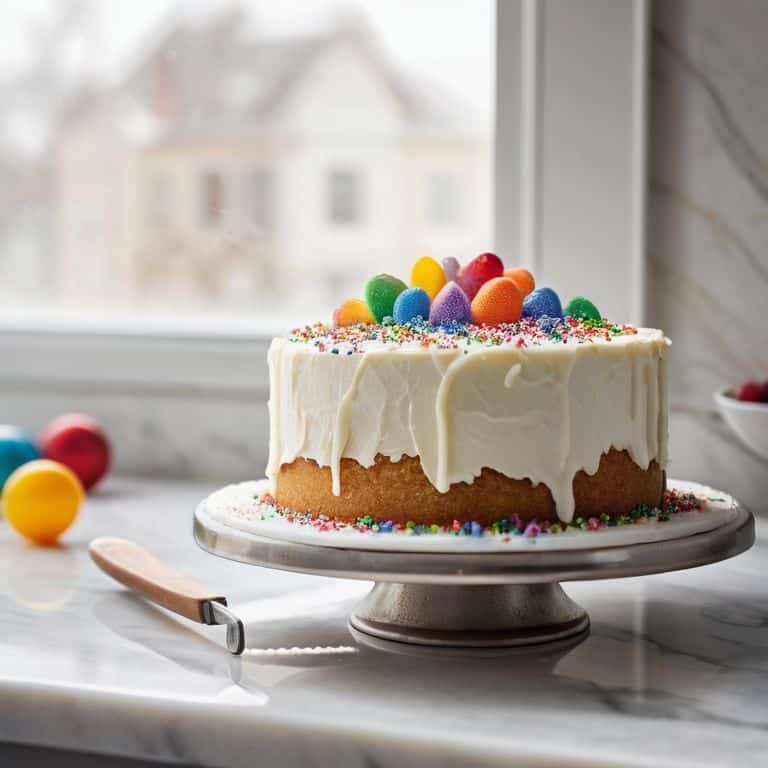
- 1. To begin with, start with a blank canvas – a completely frosted cake, free from any imperfections or crumbs. This will give you a smooth surface to work on and help you achieve a professional-looking finish. Take a moment to inspect your cake and make any necessary touch-ups before moving on to the next step.
- 2. Next, gather your tools and materials, including a variety of piping bags, tips, and a turntable. Having everything within arm’s reach will make the decorating process much more efficient and enjoyable. I like to think of this step as preparing for a creative journey, where the right tools can make all the difference in bringing your vision to life.
- 3. Now it’s time to add some visual interest to your cake with a simple border. Using a piping bag fitted with a round tip, pipe a continuous line around the edge of the cake, applying gentle pressure to maintain a consistent flow of frosting. Don’t worry too much about perfection at this stage – we can always refine the details later.
- 4. With your border in place, you can start thinking about adding some dimensional elements to your design. This might include sugar flowers, leaves, or other decorative features that can be made from fondant or gum paste. For beginners, I recommend starting with simple shapes and textures, and then gradually building up to more complex designs.
- 5. To create a beautiful, ombré effect on your cake, you’ll need to gradate the color of your frosting from light to dark. This can be achieved by layering different shades of frosting on top of each other, using a small offset spatula to blend the colors together seamlessly. Remember to work from the top down, as this will help prevent any streaks or marks from forming on the surface of the cake.
- 6. Once you’ve achieved the desired color gradient, it’s time to add some finishing touches to your design. This might include piping on some delicate patterns, such as intricate swirls or delicate dots, using a small piping bag and a fine tip. Take your time and focus on creating smooth, flowing lines that enhance the overall aesthetic of your cake.
- 7. Finally, to complete your masterpiece, consider adding a decorative cake stand or pedestal to elevate your design. Not only will this add a touch of elegance to your finished cake, but it will also provide a beautiful platform for showcasing your handiwork. As someone who believes the cake stand is just as important as the cake itself, I encourage you to get creative and experiment with different styles and designs to find the perfect match for your culinary art.
Simple Cake Decorating Ideas for Beginners
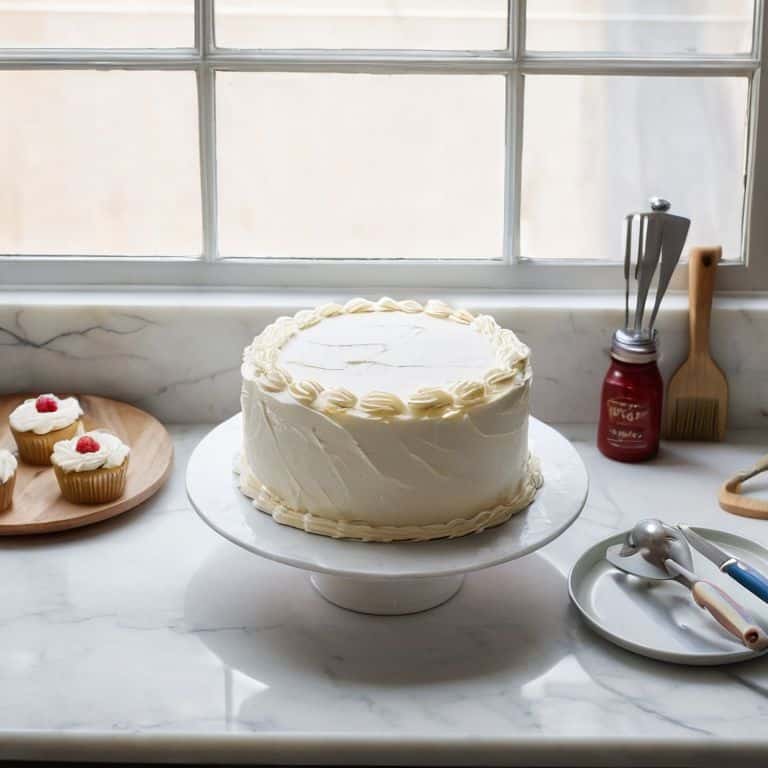
As I always say, the key to creating stunning cakes is to start with a solid foundation, and that’s where easy cake designs come in. For beginners, it’s essential to keep things straightforward and focus on developing those fundamental skills. I recommend experimenting with different types of frosting, like buttercream or cream cheese, to find what works best for you. And don’t be afraid to get creative with your cake decorating tools for starters – a simple turntable or offset spatula can make all the difference in achieving a smooth, even finish.
When it comes to adding those extra special touches, I love incorporating fresh flowers into my designs. Not only do they add a pop of color and fragrance, but they can also help to create a beautiful, effortless look. Plus, they’re a great way to practice your basic cake piping designs without feeling overwhelmed. Remember, the goal is to have fun and not be too hard on yourself – after all, it’s just cake!
To take your cakes to the next level, consider trying out some decorating cakes with fresh flowers techniques. This can be as simple as placing a few petals on top of your cake or creating a more intricate design using sugar paste and floral wire. Whatever method you choose, don’t forget to balance your design with some simple cake topping ideas, like a light dusting of powdered sugar or a sprinkle of edible glitter.
Basic Cake Piping and Decorating With Fresh Flowers
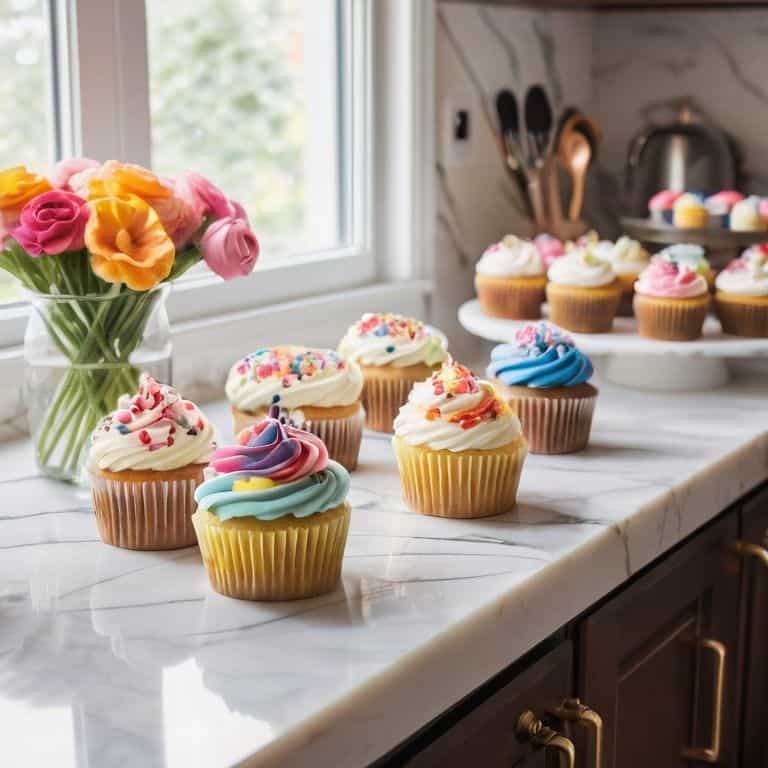
To add a touch of elegance to your cake, consider combining basic piping techniques with fresh flowers. I adore how a delicate piping border can frame a beautiful bloom, creating a stunning focal point. Start by selecting fresh flowers that complement your cake’s color palette – I often find inspiration in botanical gardens. Gently place the flowers on top of the cake, using a dab of buttercream to secure them. Then, use a piping bag to create a simple border around the edges of the cake, which will help to ground the design and add a touch of sophistication.
Easy Cake Designs With Beginner Friendly Frosting
When it comes to beginner-friendly frosting, I always recommend starting with a classic buttercream. It’s easy to work with and can be colored to match any theme or occasion. One of my favorite techniques is the “swirl and dollop” method, where you simply swirl a spatula through the frosting to create a beautiful, marbled effect, and then top it off with a dollop of extra frosting. This look is perfect for a simple yet elegant cake design.
For an added touch, you can also use a piping bag to create simple borders or patterns. I love using a small round tip to create delicate dots or lines around the edge of the cake. Remember, the key to working with frosting is to have fun and not be too hard on yourself – it’s all about experimentation and finding what works best for you!
Elevate Your Bakes: 5 Essential Tips for Simple yet Stunning Cake Decorating
- Start with a smooth canvas: Ensure your cake is completely cooled and crumb-free before frosting for a flawless finish
- Choose your colors wisely: Select a limited palette that complements your cake’s flavor and the occasion to create a visually appealing design
- Don’t be afraid to get creative with textures: Combine smooth buttercream with piped borders, fresh flowers, or edible decorations to add depth and interest
- Keep it simple with fresh flowers: A single, beautifully placed bloom can elevate your cake from plain to stunning – and it’s easier than you think to achieve
- Practice makes perfect: Don’t be discouraged if your first attempts at cake decorating don’t turn out as expected – with time and patience, you’ll develop the skills and confidence to create show-stopping designs
Bringing It All Together: Key Takeaways for Stunning Cakes
I’ve learned that with just a few simple tools and a bit of patience, anyone can create breathtaking cake designs that rival those of professional bakeries
By mastering basic piping techniques and experimenting with fresh flowers, you can add a touch of elegance to even the most ordinary cakes, turning them into true showstoppers
Remember, the art of cake decorating is all about having fun and embracing your creativity – don’t be afraid to try new things, make mistakes, and most importantly, enjoy the process of turning your baked goods into beautiful works of art
Embracing the Art of Simplicity
The beauty of cake decorating lies not in complexity, but in the elegant balance of flavors, textures, and visuals – where a simple, well-placed brushstroke of frosting or the delicate petal of a fresh flower can elevate a humble cake into a masterpiece.
Chloé Dubois
Bringing Your Cake Decorating Vision to Life
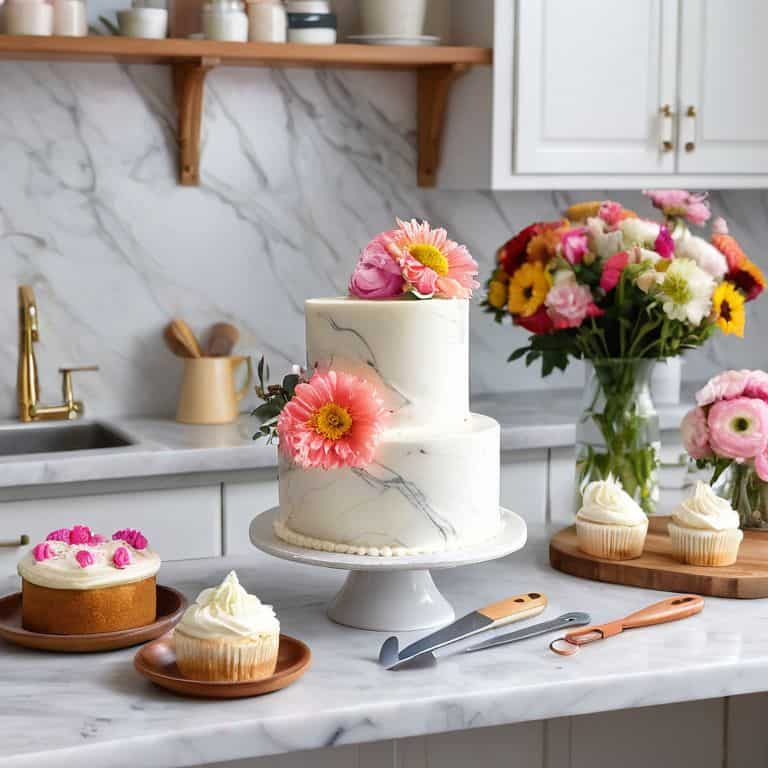
As we’ve explored the world of simple cake decorating ideas for beginners, I hope you’ve discovered that with a few essential tools and some patience, you can create truly stunning cakes. From easy cake designs with beginner-friendly frosting to basic cake piping and decorating with fresh flowers, each technique builds upon the last, allowing you to grow in confidence and skill. Remember, the key to mastering these techniques is practice, so don’t be discouraged if your first attempts don’t turn out exactly as you envisioned. Every cake is an opportunity to learn and improve, and with time, you’ll find your own unique style and voice in the world of cake decorating.
As you continue on your cake decorating journey, I encourage you to stay inspired by trying new things, experimenting with different flavors and designs, and most importantly, having fun. Whether you’re decorating a cake for a special occasion or just because, remember that the process of creating something beautiful and delicious is just as important as the end result. So, don’t be afraid to get creative, try new techniques, and make mistakes – they’re all part of the journey to becoming a skilled cake decorator, and I’m thrilled to have been a part of your journey so far.
Frequently Asked Questions
What are some essential tools I need to get started with simple cake decorating?
To get started with simple cake decorating, you’ll need a few essential tools, including a turntable, offset spatula, and piping bags with tips. I also swear by my trusty bench scraper and a set of fine-tip paintbrushes for delicate details. These will help you achieve smooth finishes and precise designs, and are must-haves in my own decorating kit.
How do I achieve a smooth and even frosting finish on my cake?
To achieve a smooth and even frosting finish, I recommend using a turntable and a small offset spatula to spread the frosting evenly. Start by applying a thin layer of frosting, then use long, sweeping motions to cover the entire cake, working from top to bottom. Chill the cake for a few minutes to set the frosting before final smoothing.
Can I use artificial flowers instead of fresh ones for cake decorating and what are the pros and cons?
While fresh flowers are breathtaking, artificial ones can be a wonderful alternative. I adore using sugar flowers, but high-quality artificial blooms can add a lovely touch. The pros include durability and year-round availability, but cons may include a less natural look and potential texture issues.