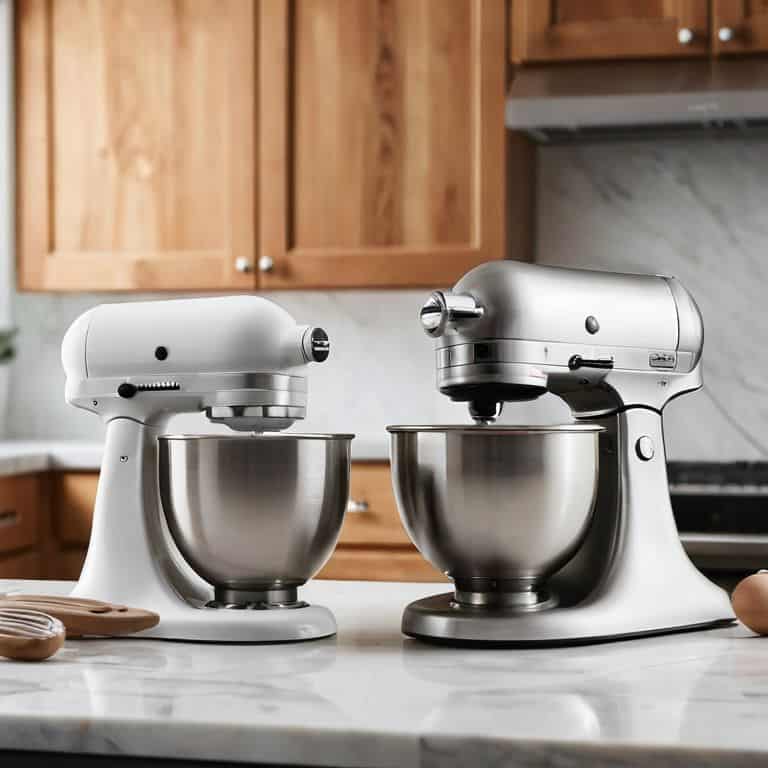
As a pastry instructor with 20 years of experience, I’ve seen many students struggle with the question of what is a stand mixer vs a hand mixer. It’s a dilemma that can make or break your baking experience, and one that I’ve faced myself in my early days as a baker. I remember being overwhelmed by the numerous options available, unsure of which mixer to invest in. But over the years, I’ve learned that the choice between a stand mixer and a hand mixer is not just about personal preference, but about understanding the science behind each tool.
In this article, I promise to cut through the hype and provide you with honest, experience-based advice on choosing the right mixer for your baking needs. I’ll share my own insights, gained from years of teaching and experimenting with different recipes, to help you make an informed decision. Whether you’re a beginner or an experienced baker, my goal is to empower you with the knowledge to select the perfect mixer for your kitchen, and to unlock the secrets of successful baking. By the end of this article, you’ll be equipped with the confidence to choose the right tool, and to take your baking skills to the next level.
Table of Contents
Stand Mixer
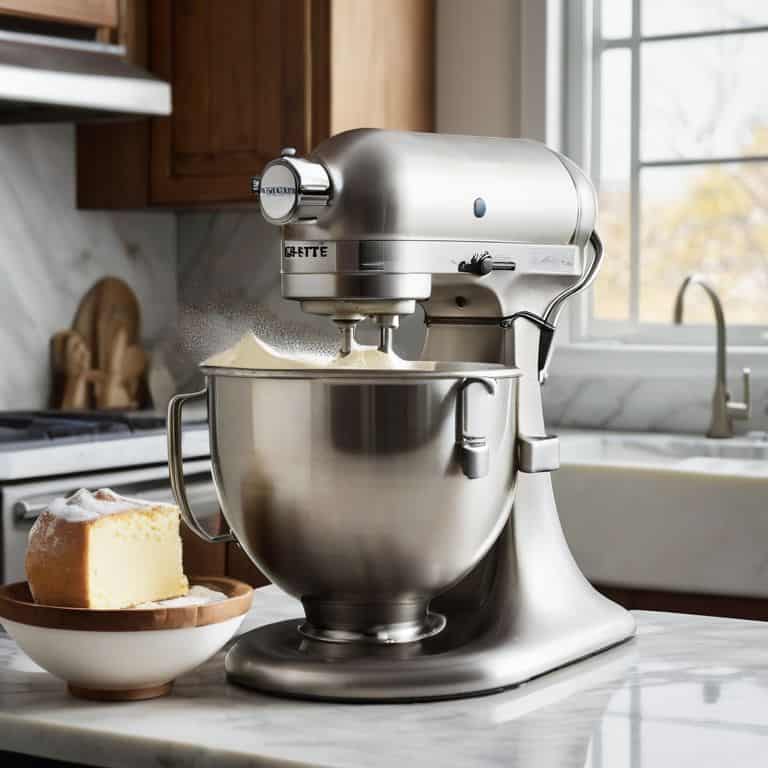
A stand mixer is a powerful, electric mixing device that uses a fixed position to efficiently mix large batches of ingredients, with its main selling point being the ability to handle heavy mixing tasks with ease, thanks to its robust motor and variable speed control. This allows for a wide range of applications, from whipping cream to kneading dough, making it an essential tool for serious bakers. The stand mixer’s core mechanism involves a rotating bowl and interchangeable attachments, such as a whisk or dough hook, which enable it to tackle various mixing tasks.
As a baking instructor, I can attest that a stand mixer is a game-changer for anyone who bakes frequently, offering unparalleled mixing power and versatility. I’ve seen students struggle with manual mixing, only to be amazed by the ease and speed of a stand mixer. By leveraging the stand mixer’s capabilities, bakers can focus on perfecting their craft, rather than exhausting themselves with manual labor. Whether you’re a professional pastry chef or a passionate home baker, a stand mixer is an investment that will pay dividends in terms of time and energy saved, allowing you to focus on the art of baking.
Hand Mixer
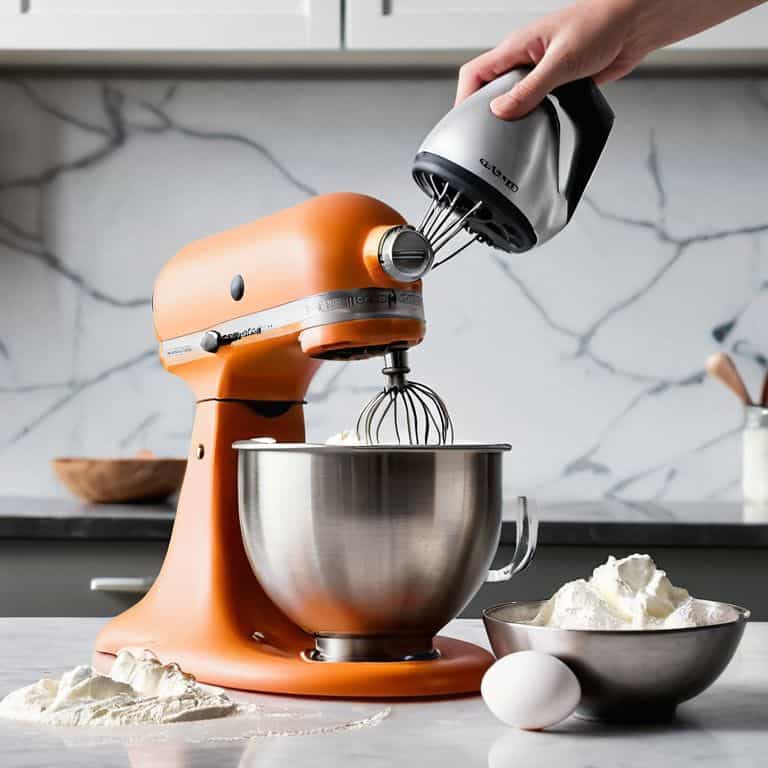
A hand mixer, also known as an electric whisk, is a portable, handheld mixing device that utilizes rotating beaters to quickly mix small to medium-sized batches of ingredients, with its main advantage being its lightweight design and ease of use. This makes it perfect for tasks such as whipping cream, beating eggs, or mixing small batches of batter. The hand mixer’s core mechanism involves a simple, intuitive design that allows for easy operation and minimal cleanup.
As someone who’s developed countless gluten-free recipes, I appreciate the hand mixer’s convenience and agility, which makes it ideal for smaller mixing tasks or when working with delicate ingredients. I’ve found that hand mixers are particularly useful when you need to mix a small amount of ingredients or when you’re working in a small kitchen with limited counter space. By using a hand mixer, you can avoid over-mixing and ensure that your ingredients are perfectly blended, resulting in a better final product. Whether you’re a busy home cook or an avid baker, a hand mixer is a valuable addition to your kitchen arsenal.
Stand Mixer vs Hand Mixer: Head-to-Head Comparison
| Feature | Stand Mixer | Hand Mixer |
|---|---|---|
| Price | $200-$500 | $20-$100 |
| Key Feature | Multiple Speeds, Large Capacity | Portability, Ease of Use |
| Best For | Heavy-Duty Baking, Large Quantities | Small Batches, Whipping Cream |
| Power | 250-1000 Watts | 50-250 Watts |
| Capacity | Up to 14 Cups | Up to 2 Cups |
| Weight | 15-30 Pounds | 2-5 Pounds |
| Additional Functions | Kneading, Food Grinding | None or Limited |
What Is a Stand Mixer
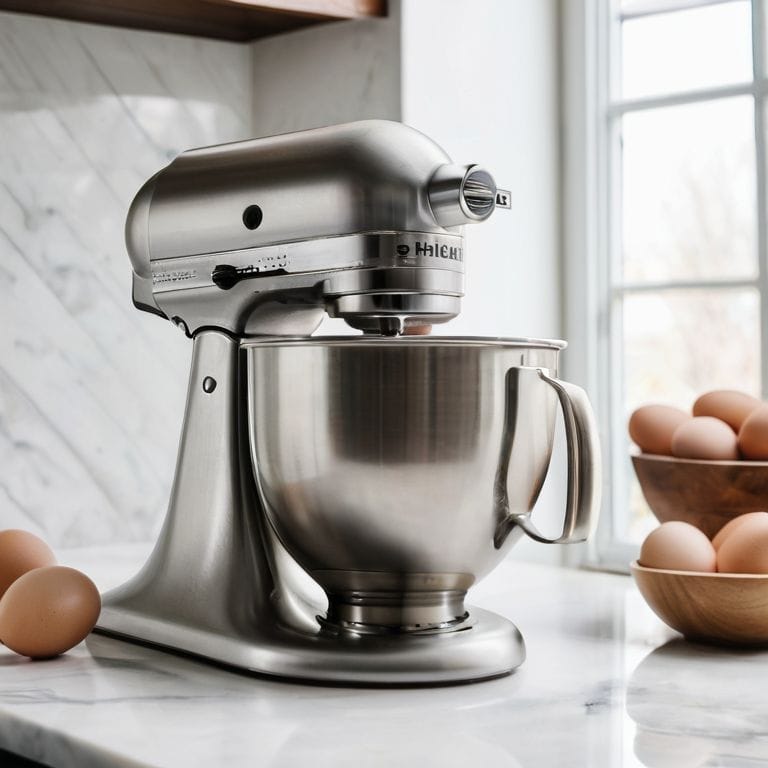
When it comes to understanding what is a stand mixer, it’s essential to recognize its significance in the baking world. This criterion matters because it sets the foundation for understanding the capabilities and limitations of a stand mixer compared to a hand mixer. Knowing the ins and outs of a stand mixer will help you make an informed decision about which tool to use for your baking needs.
A stand mixer is a powerful and versatile kitchen appliance designed to handle heavy mixing tasks with ease. In contrast, a hand mixer, while convenient and portable, may struggle with thicker batters or larger quantities. Efficient mixing is crucial in baking, as it directly affects the final product’s texture and quality. When using a stand mixer, you can expect a more consistent and thorough mix, which is particularly important for recipes that require precise ingredient incorporation.
In the context of baking, a stand mixer generally outperforms a hand mixer in terms of mixing capacity and efficiency. This is due to its more substantial motor and ability to handle larger batches of ingredients. Therefore, when considering the criterion of what is a stand mixer, it’s clear that a stand mixer is the winner in this category, offering more power and versatility for serious bakers.
Key Takeaways: Stand Mixer vs Hand Mixer
Understanding the fundamental differences between stand mixers and hand mixers is crucial for selecting the right tool for your baking needs, with stand mixers offering more power and versatility for heavy-duty mixing tasks
A stand mixer’s ability to handle large batches and complex recipes, such as multi-layer cakes and artisan breads, makes it an indispensable asset for serious bakers, while a hand mixer is better suited for smaller, simpler recipes like muffins or whipped cream
By recognizing the strengths and limitations of each type of mixer, you can optimize your baking workflow, reduce errors, and produce consistent, high-quality results, whether you’re a beginner or an experienced baker looking to refine your craft
The Mixer Dilemma
The choice between a stand mixer and a hand mixer is not just about power or convenience, but about understanding the intimate dance between ingredient, technique, and tool – and that, my friends, is where the magic happens, or rather, the science unfolds.
Beatrice Quinn
The Final Verdict: Which Should You Choose?
As we’ve explored the differences between stand mixers and hand mixers, it’s clear that both have their own set of advantages and disadvantages. A stand mixer offers power and efficiency, making it ideal for heavy-duty baking tasks, while a hand mixer provides portability and ease of use, perfect for smaller recipes or those who have limited kitchen space. Understanding the specific needs of your baking projects is key to choosing the right tool.
Ultimately, the decision between a stand mixer and a hand mixer comes down to your personal baking style and frequency of use. If you’re an avid baker who tackles complex recipes regularly, a stand mixer is likely the better choice. However, if you’re a casual baker who only whips up the occasional dessert, a hand mixer is more than sufficient. I recommend considering your own baking habits and goals to decide which type of mixer will be your most trusted companion in the kitchen.
Frequently Asked Questions
What are the key differences in mixing capabilities between a stand mixer and a hand mixer?
When it comes to mixing capabilities, the key difference lies in power and precision. Stand mixers offer more intense mixing with their heavy-duty motors, ideal for dense doughs and large batches. Hand mixers, on the other hand, are perfect for lighter tasks like whipping cream or beating eggs, providing more control and ease for smaller quantities.
Can a hand mixer really replace a stand mixer for heavy-duty baking tasks, or are there limitations?
While a hand mixer can handle smaller batches, it may struggle with heavy-duty tasks like large batches of dough or thick batters, due to its limited power and endurance, making a stand mixer a better choice for such tasks.
How do the power consumption and noise levels of stand mixers and hand mixers compare, and which one is more suitable for frequent use?
When it comes to power consumption and noise levels, stand mixers generally use more power but operate at a lower, more consistent noise level, whereas hand mixers are quieter but can be more variable in noise. For frequent use, I recommend stand mixers for their efficiency and durability.