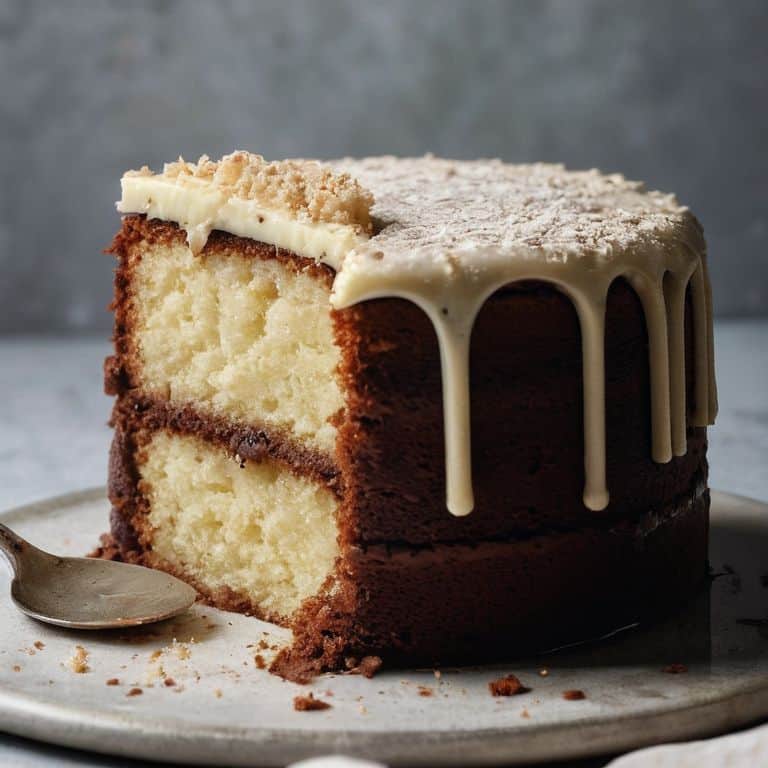
As I stand in my bespoke cake studio, surrounded by the sweet scent of success and the gentle hum of mixers, I’m reminded of the countless times I’ve been asked: how to convert a regular recipe to gluten-free without sacrificing the essence of the dish. The truth is, ditching the gluten doesn’t have to mean ditching the flavor. In fact, with the right techniques and ingredients, you can create gluten-free masterpieces that rival their traditional counterparts. I’ve spent years perfecting the art of gluten-free baking, and I’m excited to share my knowledge with you.
In this article, I promise to guide you through the process of converting your favorite recipes to gluten-free with ease and precision. You’ll learn how to substitute ingredients, adjust cooking times, and troubleshoot common issues that arise when working with gluten-free flours. My goal is to empower you with the skills and confidence to create stunning, delicious gluten-free cakes that will impress even the most discerning palates. By the end of this journey, you’ll be equipped with the practical advice and inspiration you need to take your gluten-free baking to the next level and make it a true form of edible art.
Table of Contents
Guide Overview: What You'll Need
Total Time: 30 minutes to 1 hour
Estimated Cost: $10 – $30
Difficulty Level: Easy
Tools Required
- Digital Kitchen Scale (for accurate measurements)
Supplies & Materials
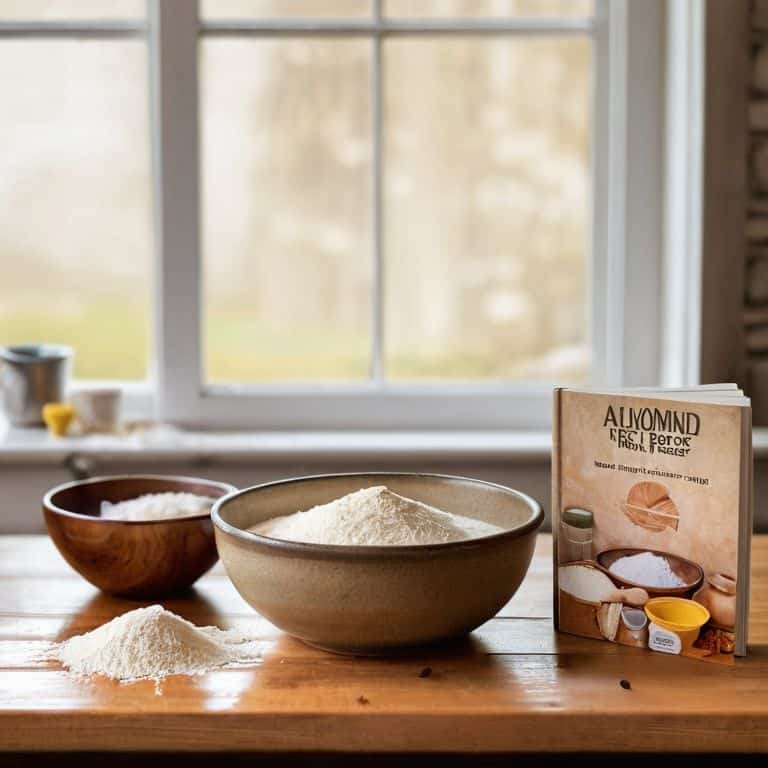
- Gluten-free flours such as almond flour, coconut flour, or rice flour
- Xanthan gum for texture and structure
- Gluten-free binding agents such as eggs or flaxseed
Step-by-Step Instructions
- 1. First, let’s start by understanding that converting a recipe to gluten-free requires a bit of experimentation and patience, but with the right approach, you can achieve flawless results. Begin by selecting a recipe you love and want to convert, and make sure you have all the necessary ingredients and tools at hand. Take a moment to read through the recipe carefully, and think about the role that gluten plays in the original dish.
- 2. Next, you’ll need to identify the gluten-containing ingredients in your recipe, such as wheat flour, and decide on the best gluten-free alternatives to use in their place. This might include almond flour, coconut flour, or a pre-mixed gluten-free flour blend. Keep in mind that different gluten-free flours can affect the texture and flavor of your final product, so you may need to do some trial and error to find the combination that works best for you.
- 3. Now it’s time to think about the ratio of flours you’ll be using in your gluten-free recipe. This can be a bit tricky, as gluten-free flours can behave differently than traditional wheat flour. A good rule of thumb is to start with a combination of 1 part gluten-free flour to 1 part starch, such as cornstarch or tapioca flour. You can then adjust this ratio to achieve the right texture and consistency in your final product.
- 4. With your gluten-free flours in hand, it’s time to start substituting and adjusting your recipe. Begin by replacing the wheat flour with your chosen gluten-free flour blend, and then adjust the liquid content of the recipe as needed. Gluten-free flours can absorb more liquid than traditional flours, so you may need to add a little more milk, water, or eggs to get the right consistency.
- 5. As you work through your recipe, be sure to pay attention to the xanthan gum content, as this can help to improve the texture and structure of your gluten-free baked goods. Xanthan gum is a common ingredient in gluten-free baking, and it can help to replace the binding properties of gluten in traditional recipes. Start with a small amount, such as 1/4 teaspoon per cup of flour, and adjust to taste.
- 6. Once you’ve made the necessary substitutions and adjustments, it’s time to test and refine your gluten-free recipe. This might involve making a few small batches to get the texture and flavor just right, or experimenting with different combinations of ingredients to find the one that works best for you. Don’t be afraid to try new things and make mistakes – they’re all part of the process of creating something truly delicious and unique.
- 7. Finally, remember that gluten-free baking is all about balance and harmony, so don’t be discouraged if your first attempts don’t turn out perfectly. With a little practice and patience, you’ll be creating stunning gluten-free desserts that are sure to impress your friends and family. Take the time to sketch out your recipe, make notes, and adjust as needed – and most importantly, have fun and enjoy the process of creating something truly special.
Liberating Recipes
As we delve into the world of gluten-free baking tips, it’s essential to understand that substituting flours is not just about replacing one ingredient with another. The ratio of flours, the type of starches used, and even the liquid content can affect the final product. I always say, the key to success lies in the details. When converting recipes, it’s crucial to consider the flavor profile and texture you want to achieve. For instance, using almond flour will give a denser, more moist cake, while rice flour will result in a lighter, crisper texture.
To avoid common gluten-free mistakes, it’s vital to have a well-stocked pantry with a variety of gluten-free flours. I like to keep a mix of rice flour, almond flour, and coconut flour on hand, as each has its unique characteristics and uses. When substituting flours, remember that a little goes a long way. Start with small batches and adjust to taste, as the flavor and texture can be quite different from traditional baked goods.
By following these guidelines and experimenting with different gluten-free flours for baking, you’ll be well on your way to creating stunning, delicious gluten-free treats. Remember to always taste as you go, adjusting the seasoning and ingredients to achieve the perfect balance of flavors. With practice and patience, you’ll become a master of gluten-free baking, and your creations will be the envy of all who taste them.
Converting With Care
As I delve into the world of gluten-free conversions, I’m reminded that it’s not just about swapping out ingredients, but about understanding the delicate balance of flavors and textures. When converting a recipe, it’s essential to consider the role of gluten in the original dish – is it providing structure, texture, or simply acting as a binder? By grasping this fundamental concept, we can begin to make informed decisions about which gluten-free alternatives to use and how to adjust the ratios to achieve the desired result.
I always recommend starting with small test batches to fine-tune the conversion, as this allows for a more precise calibration of flavors and textures. By doing so, we can ensure that our gluten-free creations are not only delicious but also visually stunning, with a tender crumb and a delicate presentation that rivals their traditional counterparts.
Gluten Free Baking Tips
As we delve into the world of gluten-free baking, it’s essential to remember that technique and patience are just as crucial as the ingredients themselves. I always say that a good gluten-free flour blend is like a beautiful brushstroke – it sets the tone for the entire masterpiece. When substituting flours, consider the unique characteristics of each, from the nutty flavor of almond flour to the delicate texture of coconut flour.
By understanding these nuances, you’ll be empowered to create stunning, gluten-free desserts that rival their traditional counterparts. Remember, my friends, the key to success lies in experimentation and attention to detail – so don’t be afraid to try new combinations and adjust ratios until you find your perfect blend.
5 Essential Tips for a Seamless Gluten-Free Transition
- Understand your gluten-free flours: Recognize that different gluten-free flours have unique textures and absorption rates, which may require adjusting the liquid content in your recipe
- Balance your blend: Combine various gluten-free flours to achieve a balanced blend that mimics the structure and taste of traditional wheat flour, such as using a mix of rice flour, almond flour, and coconut flour
- Don’t forget the xanthan gum: This magical ingredient helps replicate the binding properties of gluten, ensuring your gluten-free baked goods hold their shape and maintain texture, but use it sparingly as excess can lead to an unpleasant aftertaste
- Respect the ratio: When substituting gluten-containing ingredients, maintain the original ratio of dry to wet ingredients to preserve the recipe’s integrity and prevent dense or soggy results
- Test and adjust: Gluten-free baking can be less forgiving than traditional baking, so don’t be discouraged by initial failures – test your converted recipe, take note of the outcomes, and make adjustments accordingly to perfect your gluten-free masterpiece
Essential Insights for Gluten-Free Mastery
Always prioritize the quality and freshness of your ingredients, as this will significantly impact the flavor and texture of your gluten-free creations
Understand that substituting gluten-containing flours with gluten-free alternatives is not a one-to-one ratio, and be prepared to experiment and adjust to find the perfect balance
Never underestimate the power of resting and refrigeration in gluten-free baking, as these steps can greatly enhance the structure and consistency of your final products
The Art of Gluten-Free Transformation
To convert a regular recipe to gluten-free is not merely to substitute ingredients, but to reimagine the harmony of flavors and textures, much like an artist reinterprets the world on canvas – with every brushstroke, a new masterpiece unfolds.
Alison Lawson
Embracing the Art of Gluten-Free Conversion
As we conclude our journey into the world of gluten-free baking, let’s recap the essential elements that have guided us through this process. From understanding the role of gluten in traditional baking to selecting the right gluten-free flours, every step has been crucial in our mission to create delectable, gluten-free masterpieces. We’ve delved into the importance of ratio and proportion when substituting ingredients, ensuring that our baked goods not only taste exceptional but also retain their structural integrity. By mastering these techniques and applying the liberating principles of gluten-free baking, we’ve unlocked the door to a new dimension of culinary creativity.
Now, as you embark on your own gluten-free baking adventures, remember that the true art of conversion lies not just in following a set of rules, but in understanding the harmony of flavors and textures that come together to create something truly remarkable. Don’t be afraid to experiment, to innovate, and to push the boundaries of what’s possible. With every cake, every pastry, and every delicious treat that you create, you’re not just baking – you’re crafting edible art that brings joy, comfort, and beauty to all who taste it.
Frequently Asked Questions
What are some common gluten-free flours that can be used as substitutes in traditional baking recipes?
When it comes to substituting traditional flours, I adore working with almond flour, coconut flour, and rice flour. Each has its unique character, so it’s essential to understand their personalities and quirks. For instance, almond flour adds a delicate nutty flavor, while coconut flour absorbs more liquid, and rice flour provides a light, airy texture.
How do I adjust the liquid content in a recipe when converting to gluten-free, as some gluten-free flours can absorb more liquid than traditional flours?
When converting to gluten-free, it’s essential to monitor the liquid content, as some gluten-free flours can be quite thirsty. I recommend starting with a slight reduction in liquid, then adjusting as needed, to achieve the perfect balance and tender crumb.
Are there any specific ingredients or combinations of ingredients that should be avoided when converting a recipe to gluten-free to ensure the best texture and flavor?
When converting to gluten-free, beware of over-reliance on xanthan gum and guar gum, as they can introduce unpleasant textures. Also, be cautious with high ratios of rice flour, which can lead to denseness. Instead, balance your blend with lighter flours like almond or coconut to preserve the delicate crumb and flavor of your original recipe.