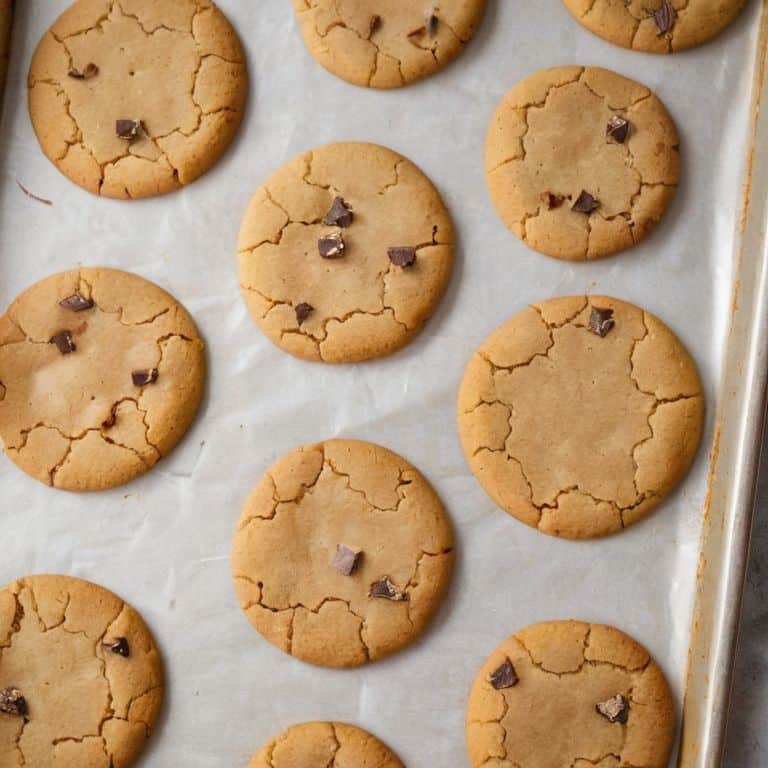
I still remember the frustrated look on my students’ faces when they’d ask me why are my cookies spreading too much. It’s a question that gets to the heart of the baking conundrum: we all want that perfect, chewy cookie, but somehow it ends up resembling a flat, crispy disk. As a pastry instructor with 20 years of experience, I’ve seen my fair share of baking mishaps, and I’m here to tell you that it’s not because of some magical, intangible force. It’s science, plain and simple.
In this article, I promise to cut through the noise and give you the no-nonsense advice you need to tackle the issue of cookie spread. We’ll dive into the fundamentals of baking, exploring the role of ingredients, temperature, and technique in achieving the perfect cookie. I’ll share my own experiences, gained from years of teaching and experimenting in the kitchen, to help you understand why your cookies are spreading too much and what you can do to prevent it. By the end of this article, you’ll be equipped with the knowledge and confidence to bake cookies that are not only delicious but also visually appealing.
Table of Contents
Why Are My Cookies Spreading
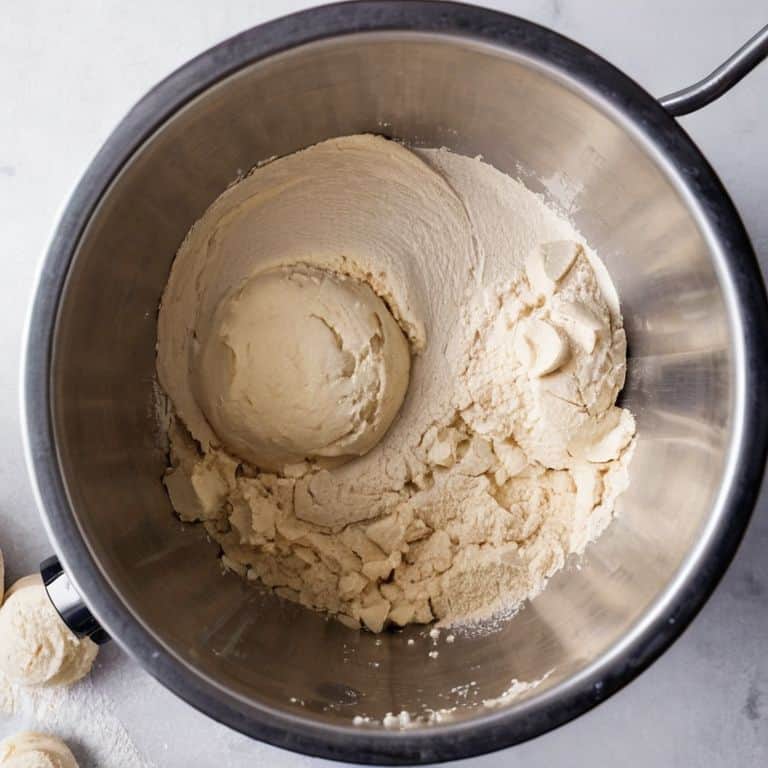
When it comes to cookies spreading, there are several causes of cookie spread that can contribute to this issue. One of the most common mistakes is overmixing the cookie dough. This can lead to a tough, dense cookie that loses its shape and spreads excessively during baking. To avoid this, it’s essential to mix your ingredients just until they come together in a cohesive ball, then stop mixing. Overmixing can also lead to overdeveloped gluten, which can cause the cookies to become tough and misshapen.
Another critical factor is the temperature of your ingredients. Using room temperature ingredients can help to ensure that your cookies bake evenly and retain their shape. If your butter is too cold, it won’t cream properly with the sugar, leading to a cookie that spreads too much. On the other hand, if your butter is too warm, it can cause the cookies to spread excessively during baking. Finding the right balance is key to achieving the perfect cookie texture.
To prevent cookie overspreading, it’s also important to consider the role of leavening agents in your cookie recipe. Leavening agents like baking soda and baking powder can help cookies to rise and give them a light, airy texture. However, if you use too much of these agents, it can cause the cookies to spread too much. By understanding the importance of leavening agents and using them in moderation, you can create cookies that are perfectly balanced and delicious.
Causes of Cookie Spread Explained
When we delve into the causes of cookie spread, it’s essential to consider the role of leavening agents. These ingredients, such as baking soda and baking powder, release gases as they react with liquid ingredients, causing the dough to rise. However, if the ratio of leavening agents to other ingredients is off, it can lead to excessive spreading.
The type of sugar used in the dough can also impact cookie spread. Overmixing the dough, particularly when combining butter and sugar, can result in a cookie that spreads more than desired. This is because overmixing incorporates too much air into the dough, leading to a cookie that loses its shape as it bakes.
Overmixing Effects on Cookie Dough
When mixing cookie dough, it’s essential to understand the impact of overmixing. Overworking the dough can lead to cookies that spread more than desired. This is because the gluten in the flour develops more extensively, causing the dough to become tougher and more prone to spreading.
As I always tell my students, gentle folding is crucial when combining wet and dry ingredients. By doing so, we can prevent the development of excess gluten, which in turn helps to maintain the cookie’s shape and structure. This simple technique can make a significant difference in the final result, resulting in cookies that retain their desired shape and texture.
Preventing Cookie Overspreading
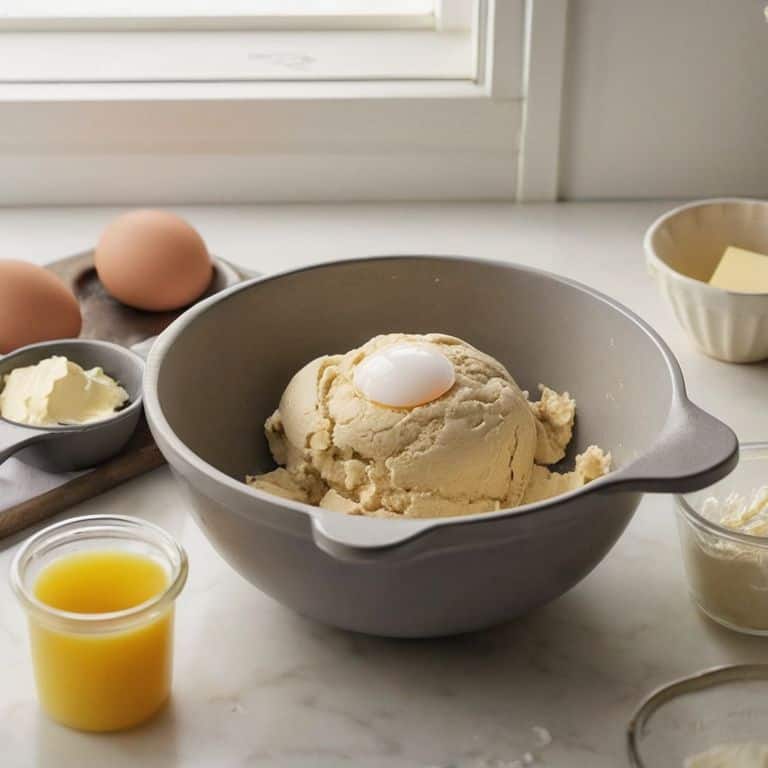
To prevent cookie overspreading, it’s essential to understand the importance of using room temperature ingredients. When ingredients are at room temperature, they mix together more evenly, which helps to prevent overmixing. Overmixing cookie dough can lead to a tough, dense cookie that spreads too much during baking. By ensuring that all ingredients, including eggs and butter, are at room temperature, you can help to create a more even texture and prevent common cookie baking mistakes.
Another crucial factor in preventing cookie overspreading is the role of leavening agents. Leavening agents, such as baking soda and baking powder, help cookies to rise and give them a light, airy texture. However, too much leavening can cause cookies to spread too much. It’s essential to use the right amount of leavening agents and to choose the right type for your specific cookie recipe. By understanding the causes of cookie spread and taking steps to prevent it, you can create delicious, chewy cookies that retain their shape.
By following these tips and being mindful of the importance of precise measurements, you can avoid common mistakes and create cookies that are perfect every time. Remember, baking is all about chemistry and precision, so take the time to get it right, and you’ll be rewarded with delicious, perfectly baked cookies.
Importance of Room Temperature Ingredients
When it comes to preventing cookie overspreading, one often overlooked factor is the temperature of your ingredients. I always stress the importance of using room temperature ingredients, as this can greatly affect the final texture of your cookies.
Using ingredients at the correct temperature ensures that your dough comes together smoothly and evenly, which is crucial for maintaining the desired shape and size of your cookies. The chemical reactions that occur during baking are highly dependent on the initial conditions, including temperature, so it’s essential to get this right from the start.
Role of Leavening Agents in Cookies
When it comes to the spread of cookies, leavening agents play a significant role. They help to release gases, which can cause the dough to rise and subsequently spread. The type and amount of leavening agents used can greatly impact the final shape of the cookies.
To minimize cookie spread, it’s essential to understand the chemical reaction that occurs when leavening agents are combined with liquid ingredients. This reaction can lead to excessive gas production, causing the cookies to spread more than desired. By using the right amount and type of leavening agents, you can better control the spread of your cookies.
5 Essential Tips to Tame the Cookie Spread
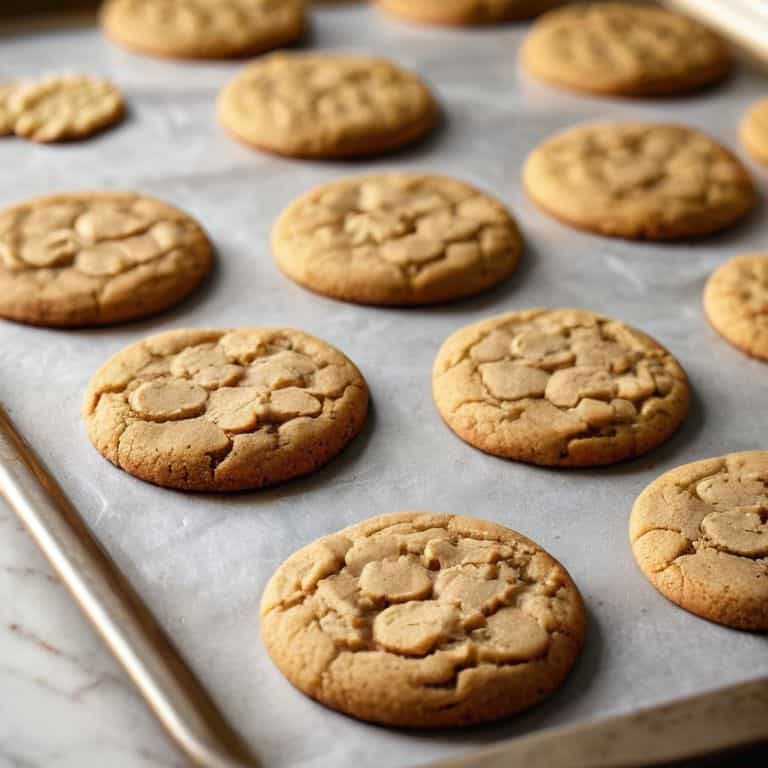
- Tweak Your Leavening Agents: Ensure you’re using the right balance of baking soda and baking powder for your cookie recipe, as excess can cause unnecessary spread
- Chill Your Dough: Refrigerating your cookie dough for at least 30 minutes can help firm up the butter and reduce spreading during baking
- Mind Your Mixing: Avoid overmixing your cookie dough, as this can lead to a tough, spread-prone cookie – mix wet and dry ingredients separately and fold them together gently
- Select the Right Sugar: Using a combination of white and brown sugar can help control spread, as the moisture content in brown sugar can aid in creating a chewier, less spread-out cookie
- Size Matters: Scoop your cookie dough into uniform balls to ensure even baking and less spread – aim for a size that allows for a pleasant chew without overwhelming the baking sheet
Key Takeaways to Prevent Cookie Overspreading
Understanding the science behind cookie spread is crucial: recognizing that overmixing, incorrect leavening, and using ingredients at the wrong temperature can all contribute to cookies spreading too much on the baking sheet
Controlling the variables in your cookie dough, such as the ratio of sugar to butter, the type and amount of leavening agents, and the resting time of the dough, can significantly impact the final shape and size of your cookies
By applying a few simple adjustments to your baking technique, including weighing ingredients accurately, using room temperature ingredients, and avoiding overmixing, you can achieve consistently better results and bake cookies that retain their shape and satisfy your cravings
The Truth About Cookie Spread
The secret to controlling cookie spread lies not in magic, but in mastering the science of ingredient ratios, temperatures, and mixing techniques – with a pinch of patience and a whole lot of precision.
Beatrice Quinn
Conclusion: Taking Control of Your Cookie Bakes
As we’ve explored the reasons behind cookie spreading, it’s clear that understanding the science behind baking is crucial. From the effects of overmixing to the importance of room temperature ingredients and the role of leavening agents, each factor plays a significant role in determining the final shape of your cookies. By recognizing these factors and making a few simple adjustments, you can significantly reduce the spread of your cookies and achieve the perfect bake. It’s all about finding that balance and mastering the basics.
So, the next time you’re faced with a batch of cookies that have spread more than expected, don’t be discouraged. Instead, view it as an opportunity to refine your technique and apply the knowledge you’ve gained. Remember, baking is 90% science and 10% magic, and with practice and patience, you’ll be creating beautiful, perfectly baked cookies in no time. The key is to stay curious, keep experimenting, and always measure with precision – your future baking self will thank you.
Frequently Asked Questions
What role does the type of sugar used play in cookie spread?
The type of sugar used can indeed impact cookie spread. White granulated sugar, for instance, can contribute to more spread due to its smaller crystal size, while brown sugar, with its higher moisture content, can lead to a slightly chewier cookie with less spread.
Can overbaking or underbaking contribute to cookie spreading?
Absolutely, baking time plays a role. Overbaking can cause cookies to dry out and spread, while underbaking can lead to a cookie that’s too soft and prone to spreading. It’s all about finding that perfect balance, so keep an eye on those cookies and adjust your baking time as needed to achieve the perfect texture.
How does the ratio of white to brown sugar affect the final texture and spread of cookies?
The sugar ratio is crucial. White sugar promotes crispiness, while brown sugar adds chewiness. A higher white to brown sugar ratio can lead to a crisper cookie that spreads less, while more brown sugar can result in a chewier cookie that spreads more. I recommend experimenting with different ratios to find your perfect balance.