As a baking consultant, I’ve seen my fair share of home bakers struggling with the glass vs metal baking pans dilemma. It’s a choice that can make or break the perfect cake, and yet, it’s often made without much thought. I’ve lost count of how many times I’ve been asked which one is better, and my response is always the same: it depends. But what does that really mean? For me, it means considering the specific needs of each recipe, the type of baking you’ll be doing, and the level of performance you expect from your pans.
In this article, I promise to cut through the marketing fluff and provide you with honest, data-driven advice on choosing between glass and metal baking pans. I’ll share my personal experience of testing numerous pans, including the ones I’ve used in my own kitchen to perfect my signature croissants. My goal is to give you the confidence to make an informed decision, based on the facts, not fancy advertising claims. By the end of this article, you’ll know exactly which type of pan is right for you, and why. No nonsense, just results.
Table of Contents
Glass Baking Pans
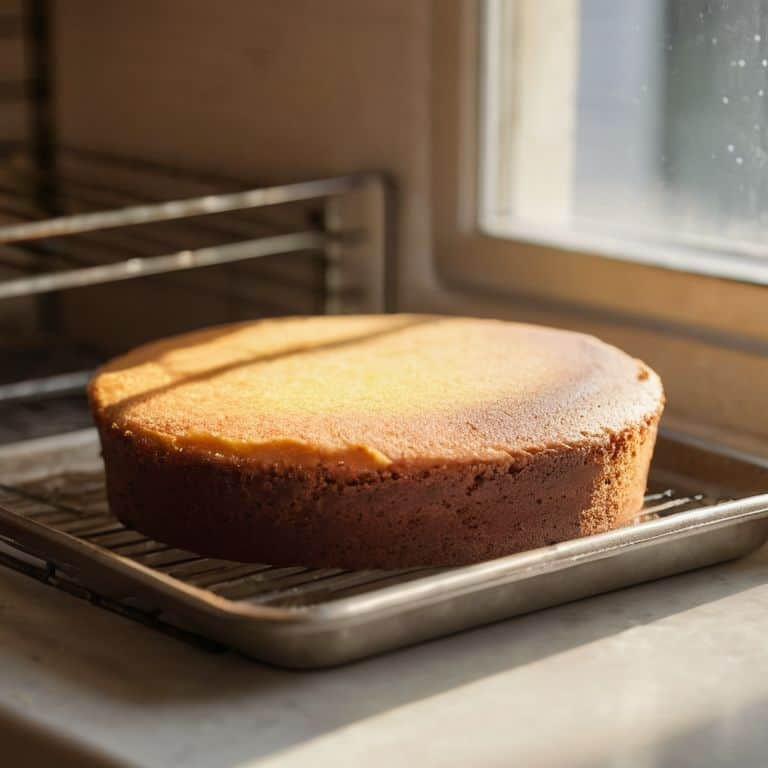
Glass baking pans are defined as baking vessels made from glass materials, utilizing thermal shock resistance to withstand extreme temperature changes, with their main selling point being even heat distribution. This allows for consistent baking results, which is especially important for delicate recipes. The core mechanism of glass baking pans involves the use of glass’s natural ability to distribute heat evenly, reducing hotspots and undercooked areas.
In my experience, glass baking pans have been a game-changer for achieving perfectly cooked crusts, which is crucial for my lamination obsession with croissants. I’ve found that the even heat distribution provided by glass pans helps to prevent overcooking, resulting in a more tender and flaky texture. This has been particularly noticeable when baking sensitive items like meringues or souffles, where a consistent temperature is vital for success.
Metal Baking Pans
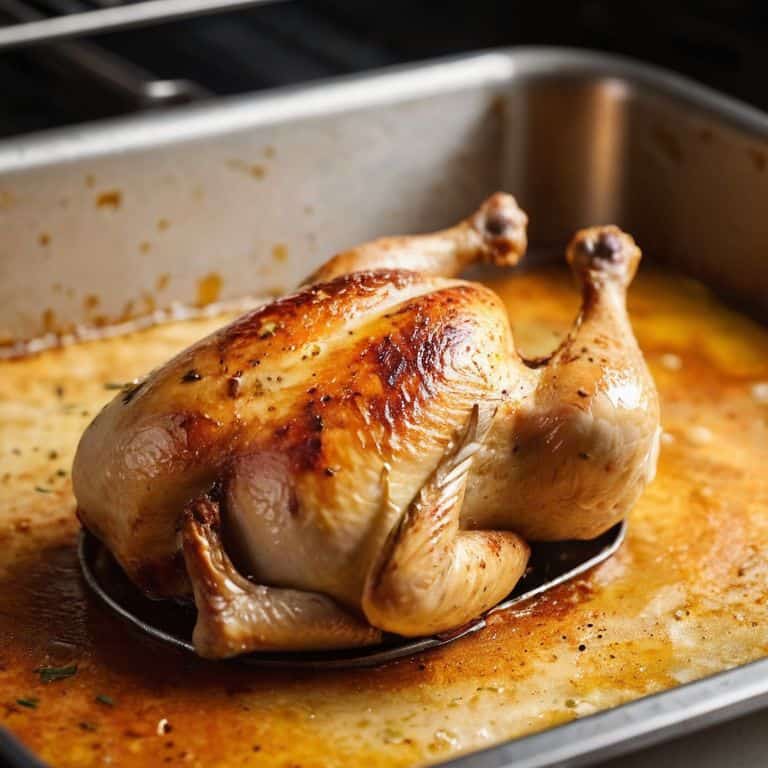
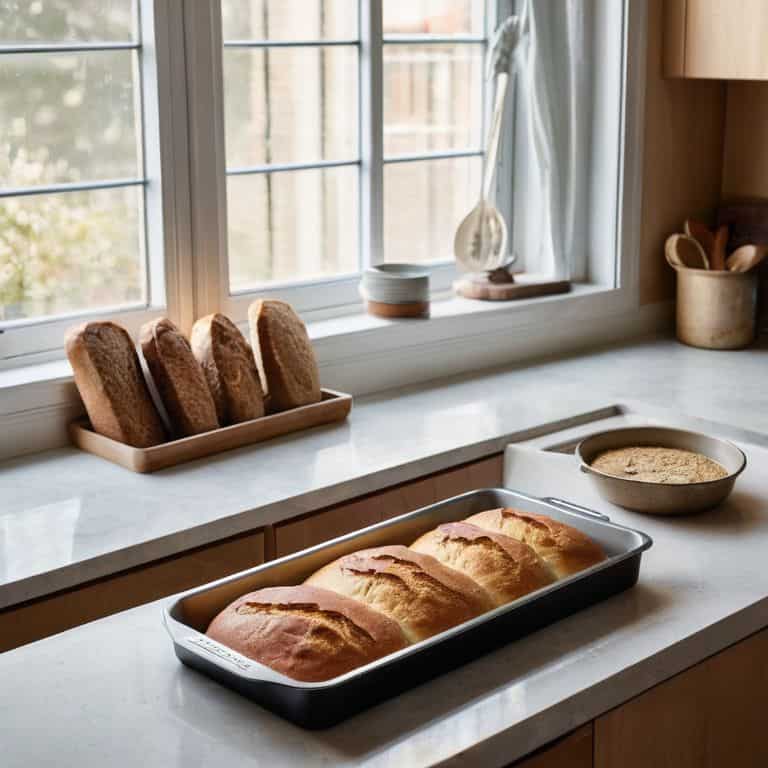
Metal baking pans are baking containers constructed from metallic materials, often made from durable aluminum or stainless steel, with their primary advantage being rapid heat conduction. This enables quick and efficient cooking, making them ideal for recipes that require a high temperature. The fundamental principle of metal baking pans relies on the metal’s ability to conduct heat rapidly, allowing for faster cooking times and crisper textures.
As a baking consultant, I’ve had the opportunity to test numerous metal baking pans, and I can attest that they excel at producing crispy edges and golden-brown finishes. The rapid heat conduction of metal pans is particularly useful for baking items like cookies or roasted vegetables, where a quick sear is essential for texture and flavor. However, I’ve also found that metal pans can be prone to hotspots, which can lead to uneven cooking if not properly managed.
Head-to-Head Comparison: Glass vs Metal Baking Pans
| Feature | Glass Baking Pans | Metal Baking Pans |
|---|---|---|
| Price | Moderate ($10-$30) | Varies ($5-$50) |
| Key Feature | Non-reactive, easy cleanup | Conductive, even heating |
| Best For | Baking dishes, casseroles | Roasting, broiling, baking |
| Durability | Resistant to scratches, thermal shock | Resistant to scratches, corrosion |
| Non-Stick | Not inherently non-stick | Can be non-stick coated |
| Heat Distribution | Even heat, minimal hotspots | Excellent heat conduction |
| Reactivity | Non-reactive with food | Reactive with acidic foods |
Glass vs Metal Baking Pans
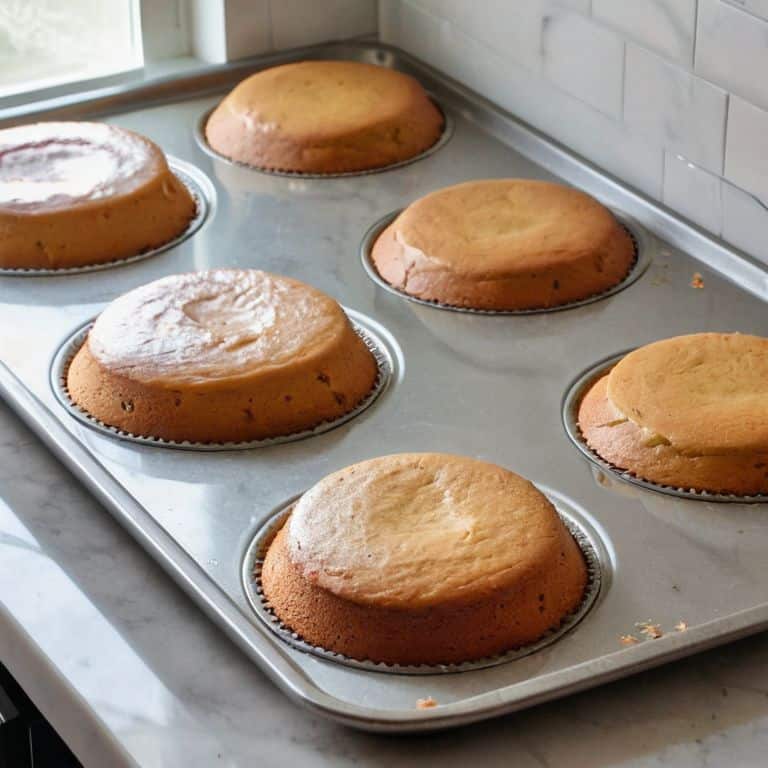
When it comes to heat distribution, the choice between glass and metal baking pans can significantly impact your baking results. This criterion is critical because uneven heat distribution can lead to undercooked or overcooked areas, affecting the overall quality of your baked goods.
In a head-to-head analysis, metal baking pans generally excel at conductive heat transfer, allowing for efficient heat distribution. However, glass pans have their own advantages, such as even radiant heating, which can be beneficial for certain types of baked goods. Metal pans tend to cook the edges of a cake faster than the center, while glass pans cook more uniformly.
In conclusion, when considering heat distribution, I declare glass pans the winner for this specific category. The uniform heating they provide makes them ideal for delicate baked goods that require precise temperature control. While metal pans have their strengths, glass pans offer a more consistent baking experience, which is essential for achieving perfect results.
Key Takeaways: Glass vs Metal Baking Pans
I’ve found that glass baking pans are superior for delicate baked goods, such as flans and creme brulees, due to their even heat distribution and non-reactive properties
Metal baking pans, on the other hand, are better suited for heartier baked goods like bread and cookies, as they conduct heat efficiently and can withstand high temperatures
Ultimately, the choice between glass and metal baking pans comes down to your specific baking needs and preferences, but with the right choice, you can expect a noticeable improvement in the quality and consistency of your baked goods
The Verdict on Glass vs Metal
After a decade of rigorous testing, I can confidently say that while metal pans have their strengths, glass pans are the unsung heroes of the baking world – their even heat distribution and non-reactive nature make them the perfect choice for delicate recipes, and their durability is unmatched when properly cared for.
David Grant
The Final Verdict: Which Should You Choose?
After meticulous testing and analysis, it’s clear that both glass and metal baking pans have their strengths and weaknesses. Durability is a key factor, with metal pans generally outlasting their glass counterparts. However, glass pans offer superior non-stick properties and are often easier to clean. The choice between the two ultimately depends on your specific baking needs and preferences.
So, who should choose which? If you’re a serious baker who values even heat distribution and doesn’t mind a bit of extra maintenance, metal pans are the way to go. On the other hand, if you’re a casual baker looking for a low-fuss, easy-to-clean option, glass pans are a great choice. As for me, I’ll be sticking with my trusty glass pan for most of my baking needs, but I can appreciate the benefits of a high-quality metal pan for certain recipes.
Frequently Asked Questions
How do glass and metal baking pans compare in terms of heat distribution and even baking?
When it comes to heat distribution and even baking, I’ve found glass pans to be more consistent, with a gentle, even heat transfer. Metal pans, on the other hand, can be more prone to hotspots, especially if they’re not high-quality or seasoned properly.
Are glass pans more prone to shattering or breaking than metal pans, and if so, what are the safety implications?
In my experience, glass pans are indeed more prone to shattering than metal pans, especially when subjected to sudden temperature changes. This raises safety concerns, as broken glass can be hazardous. However, most modern glass pans are designed with safety features like tempered glass to reduce this risk.
Can metal baking pans react with acidic ingredients like tomatoes or citrus, and if so, is glass a safer choice for these types of recipes?
Yes, metal pans can react with acidic ingredients, causing a metallic taste or discoloration. I’ve seen it happen with tomato-based dishes and citrus-infused desserts. In these cases, glass is a safer choice, as it’s non-reactive and won’t impart unwanted flavors. Trust me, I’ve tested it – my vanilla cake recipe is a great litmus test for pan reactivity.