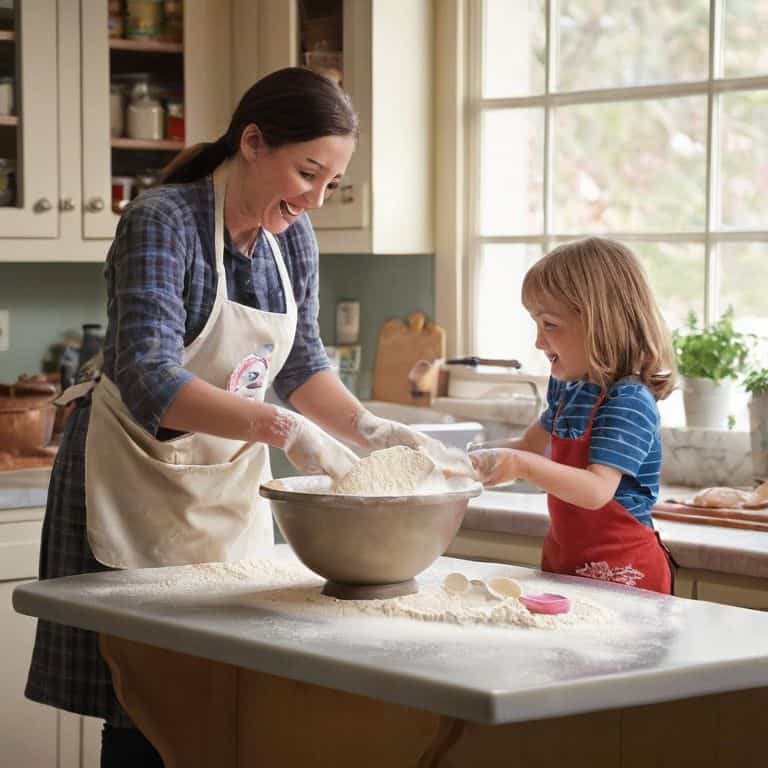
As I sit here, surrounded by the warm glow of my kitchen and the gentle hum of the mixer, I’m reminded of the first time my little ones helped me mix and measure ingredients – it was chaos, but it sparked a passion in them that I’ll always treasure. This is what a guide to baking with kids is all about: unleashing the next generation of baking masters and creating memories that will last a lifetime. I’ve often found that people believe baking with kids is a tedious and messy task, but I’m here to tell you that it’s quite the opposite – with the right approach, it can be a fun and rewarding experience for the whole family.
In this article, I’ll share my personal story and no-nonsense knowledge to help you create a stress-free baking environment with your kids. You’ll learn how to choose the right recipes, simplify complex techniques, and make the most of your time together in the kitchen. Whether you’re a seasoned baker or a complete beginner, this guide to baking with kids will provide you with the practical advice and inspiration you need to get started and make baking a enjoyable and rewarding experience for the whole family.
Table of Contents
Guide Overview: What You'll Need
Total Time: 1 hour 30 minutes
Estimated Cost: $10 – $20
Difficulty Level: Easy
Tools Required
- Mixing Bowls stainless steel or glass
- Measuring Cups dry and liquid
- Measuring Spoons
- Electric Mixer optional
- Whisk
- Rubber Spatula
Supplies & Materials
- All-purpose Flour 2 cups
- Baking Powder 1 teaspoon
- Baking Soda 1/2 teaspoon
- Granulated Sugar 1 cup
- Unsalted Butter 1/2 cup
- Large Eggs 2
- Vanilla Extract 1 teaspoon
- Sprinkles or Chocolate Chips optional
Step-by-Step Instructions
- 1. First, gather your troops and get everyone excited about the baking adventure ahead. I like to start by asking my little ones what kind of treats they’d like to make, and we browse through some of my vintage cookbooks together to find inspiration. This not only gets them invested in the process but also teaches them about the different types of recipes and ingredients we’ll be using.
- 2. Next, simplify the recipe to ensure it’s kid-friendly. This might mean breaking down complex instructions into smaller, manageable tasks or substituting intricate decorations with simpler, more fun alternatives. For instance, instead of making intricate cake designs, we focus on colorful frosting and sprinkles, which are always a hit with the kids.
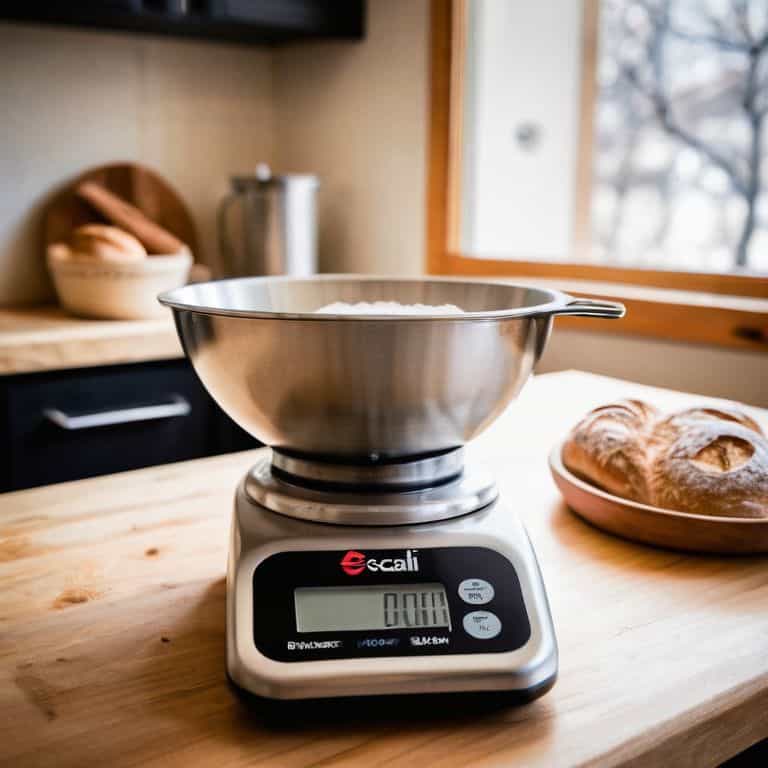
- 3. Now, it’s time to get our hands dirty. We start by measuring out ingredients, which is a great opportunity to teach the kids about fractions, measurements, and following instructions. I find that using a digital kitchen scale makes this process easier and more accurate, especially for younger children who might struggle with traditional measuring cups.
- 4. With our ingredients ready, we move on to the fun part – mixing and blending. This is where the kids can really get creative and enjoy the sensory experience of baking. From the feel of flour between their fingers to the smell of sweet vanilla, every moment is a learning opportunity. I encourage them to experiment with textures, combining different ingredients to see how they interact.
- 5. As we mix and blend our way to a delicious batter, it’s essential to teach the kids about kitchen safety. This includes everything from washing their hands before starting to understanding the importance of not touching hot surfaces or sharp objects. By emphasizing safety from the outset, we can ensure a fun and worry-free baking experience for everyone involved.
- 6. Once our batter is ready, it’s time to bring our creations to life. Depending on the recipe, this might involve scooping spoonfuls of dough onto a baking sheet, pouring batter into a cake pan, or even shaping our own bread. This step is all about encouraging creativity, so I let the kids take the lead and make their own decisions about shapes, sizes, and decorations.
- 7. The final step is, of course, the most anticipated – tasting our masterpiece. There’s nothing quite like the look of pride on a child’s face when they take a bite of something they’ve made themselves. It’s a moment of pure joy, and one that reinforces the value of hard work and teamwork in the kitchen. As we enjoy our freshly baked treats, we talk about what we’d do differently next time and what our favorite parts of the process were.
A Guide to Baking With Kids
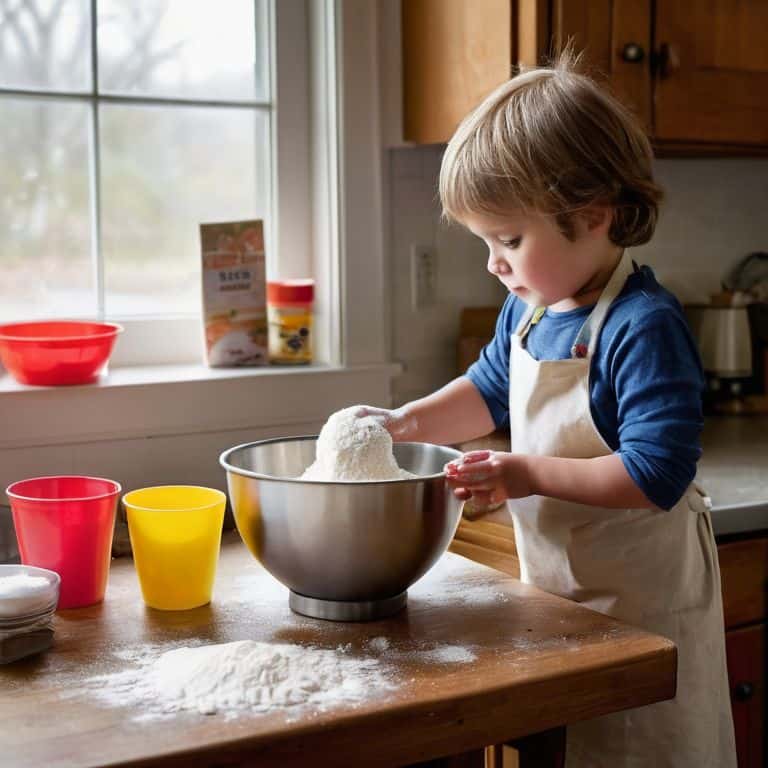
As I reflect on my own experiences baking with my little ones, I’ve come to realize that kid friendly baking recipes are essential for creating a fun and engaging atmosphere. It’s not just about following a recipe, but about fostering a sense of curiosity and creativity in children. I’ve found that simple activities like measuring ingredients can become baking measurement games for children, making the process enjoyable and educational.
When it comes to baking with toddlers, safety is paramount. Baking with toddlers safety tips should always be top of mind, as little ones can easily get distracted or curious about sharp objects and hot surfaces. To mitigate this, I recommend setting clear boundaries and supervising closely, while also encouraging independence and experimentation. This balance is crucial for promoting child development through baking activities, as it helps build confidence and fine motor skills.
For older kids, easy decorating ideas for kids can add an extra layer of excitement to the baking process. I’ve seen my own children’s faces light up when they get to decorate their own simple cake recipes for kids to make, using colorful frosting and sprinkles to create their masterpieces. This creative outlet allows them to express themselves and take pride in their creations, making the experience even more rewarding and enjoyable.
Baking With Toddlers Safety Tips
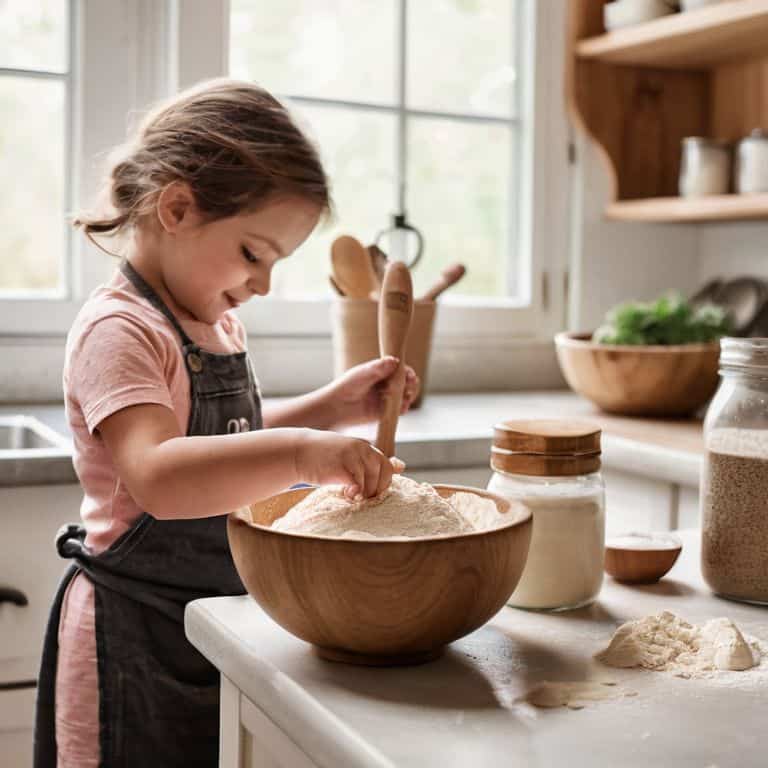
As I reflect on my own experiences baking with my little ones, I’m reminded of the importance of safety in the kitchen. When baking with toddlers, it’s essential to be mindful of their curiosity and energy. I make sure to keep a close eye on them at all times, and we start with simple tasks like mixing and measuring. We also have a special “toddler zone” in our kitchen, where they can participate without being underfoot or near hot surfaces. It’s amazing how much joy they get from being involved, even if it’s just stirring a bowl of flour and sugar.
By taking a few extra precautions, we can create a fun and safe environment for our tiny bakers to thrive. I’ve learned to always supervise, use kid-friendly tools, and teach them about kitchen hazards. With patience and practice, they’ll develop essential skills and a lifelong love for baking.
Kid Friendly Baking Recipes Uncovered
As I delve into the world of kid-friendly baking recipes, I’m reminded of my own childhood adventures in the kitchen. Simple, yet delightful treats like sugar cookies and banana bread are perfect for little hands to help with. I’ve found that recipes with minimal ingredients and straightforward instructions are ideal for fostering a sense of accomplishment and excitement in young bakers. From classic gingerbread men to creative cupcakes, the possibilities are endless, and the joy is palpable.
In my experience, the key to successful kid-friendly baking is to keep it fun and engaging. Recipes that allow for creativity and experimentation, such as decorating cookies or making homemade pizza, are always a hit. By sharing these experiences and recipes, I hope to inspire a new generation of bakers to get creative and make memories that will last a lifetime.
Sweet Success: 5 Essential Tips for Baking with Kids
- Make it a sensory experience: let them touch, smell, and taste the ingredients to spark their curiosity and excitement
- Choose recipes with simple, repetitive tasks, like mixing or sprinkling, to help build their confidence and fine motor skills
- Emphasize the process over perfection: it’s okay if the finished product isn’t flawless – the journey is just as important as the destination
- Be prepared for a mess and have fun with it: baking with kids is about making memories, not creating a spotless kitchen
- Involve them in the planning and decision-making: let them pick the recipe, choose the ingredients, or decide on the decorations to give them a sense of ownership and pride
Baking with Kids: 3 Essential Takeaways
I’ve learned that involving kids in the baking process can be a powerful way to teach them about measurements, following instructions, and the joy of creating something with their own hands
By starting with simple, kid-friendly recipes and gradually introducing more complex ingredients and techniques, parents can help their children develop a lifelong passion for baking and a healthier relationship with food
Perhaps most importantly, baking with kids is about more than just the end product – it’s about the laughter, the mess, and the memories we create along the way, and it’s these moments that make the experience truly unforgettable
The Joy of Sharing
Baking with kids is not just about measuring ingredients and following recipes, it’s about cultivating a sense of wonder, nurturing curiosity, and creating memories that will rise long after the bread is gone.
David Dunne
The Sweetest Reward
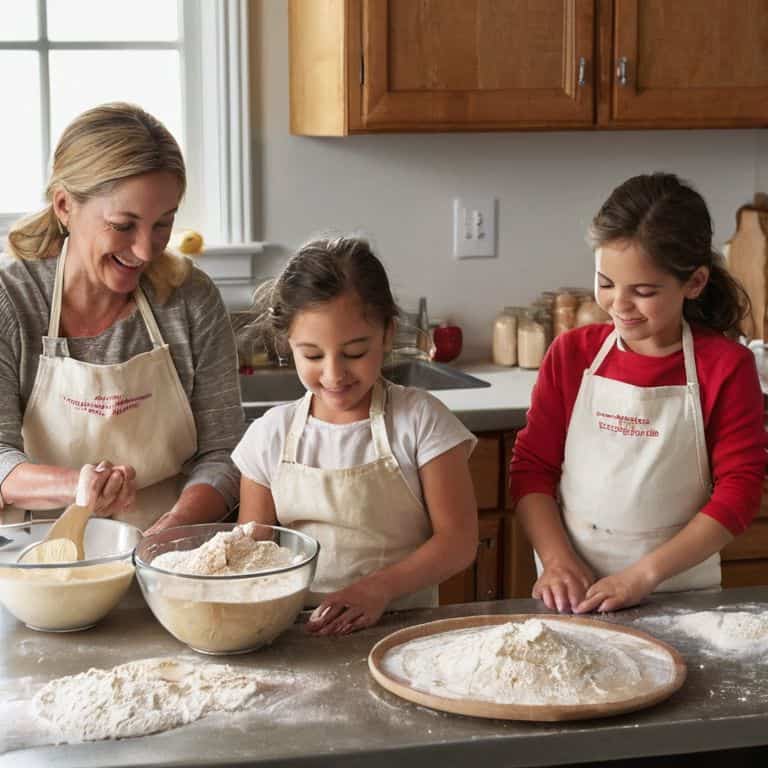
As I reflect on our journey through the world of baking with kids, I’m reminded of the importance of patience and the value of creating a safe, supportive environment where our little ones can thrive. We’ve covered a range of essential topics, from kid-friendly recipes to vital safety tips for baking with toddlers. By following these guidelines and embracing the process, you’ll not only create delicious treats but also foster a deeper connection with your children and inspire a lifelong passion for baking.
As you close this guide and embark on your own baking adventures with kids, I hope you’ll remember that the true magic lies not in the end result, but in the journey itself. The laughter, the mess, and the memories you create along the way are what make baking with kids such a rewarding experience. So, don’t be afraid to get creative, make mistakes, and savor the sweetness of these special moments with your little ones.
Frequently Asked Questions
What are some essential baking tools and equipment that are safe for kids to use?
As I’ve learned from my own little baking apprentices, having the right tools makes all the difference. For kids, I swear by miniature utensils, silicone spatulas, and wooden spoons – they’re perfect for small hands and gentle on surfaces. A kid-friendly mixer or a simple pastry brush can also be a great addition to your baking arsenal, making the experience both fun and safe.
How can I adapt complex recipes to make them more accessible and fun for children to follow?
To simplify complex recipes for kids, I break them down into smaller, manageable steps, and use visual cues like pictures or videos to help them understand each task. I also love substituting intricate techniques with fun, hands-on activities, like letting them mix and mash ingredients with their hands – it’s a great way to make baking feel more like play!
What are some common mistakes to avoid when baking with kids, and how can I ensure a positive and enjoyable experience for everyone involved?
As I’ve learned from my own kitchen adventures, it’s essential to avoid being too hard on ourselves or the little ones when things get messy. Don’t worry if the dough doesn’t rise perfectly or the cookies are misshapen – it’s about the journey, not perfection. Encourage experimentation, and remember, it’s okay to make mistakes – they’re often the most delicious and memorable parts of the experience.