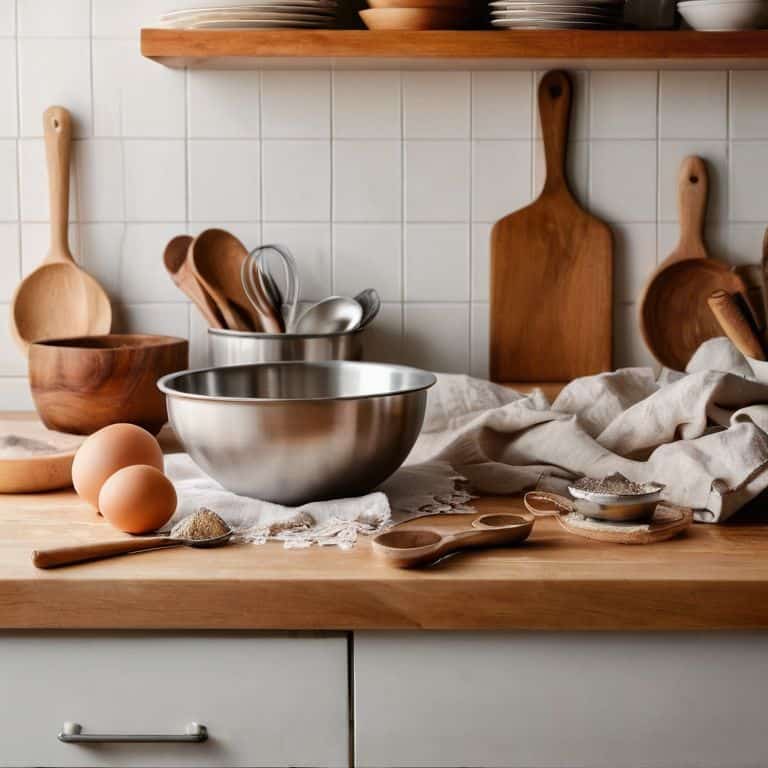
As a seasoned baking instructor, I’ve seen many beginners struggle to get started in the kitchen, and it’s often because they lack the essential baking tools for beginners. Having the right tools can make all the difference between a successful bake and a disappointing one. I’ve spent 20 years teaching students the fundamentals of baking, and I can confidently say that investing in the right equipment is crucial for building confidence and skills. Whether you’re a complete novice or just looking to upgrade your baking game, understanding what tools you need is the first step towards creating delicious treats that will impress friends and family.
In this article, I’ll be sharing my top 5 must-have items that every beginner should have in their kitchen. From measuring cups to mixing bowls, I’ll walk you through the fundamental tools that will help you master the basics of baking. By the end of this list, you’ll have a clear understanding of what you need to get started and how to use each tool to achieve consistent results. With these essential tools, you’ll be well on your way to becoming a skilled baker, and I’m excited to share my expertise with you to help you achieve your baking goals.
Table of Contents
- The Foundation of Baking: Digital Scale
- The Foundation of Baking: Digital Scale
- Mixing and Blending: Stand Mixer
- Mixing and Blending: Stand Mixer
- The Art of Temperature Control: Oven Thermometer
- The Art of Temperature Control: Oven Thermometer
- Measuring and Preparing: Bench Scraper
- Measuring and Preparing: Bench Scraper
- The Final Touch: Cooling Rack
- The Final Touch: Cooling Rack
- Key Takeaways to Unlock Your Baking Potential
- The Foundation of Baking
- Equipping Your Baking Journey
- Frequently Asked Questions
The Foundation of Baking: Digital Scale
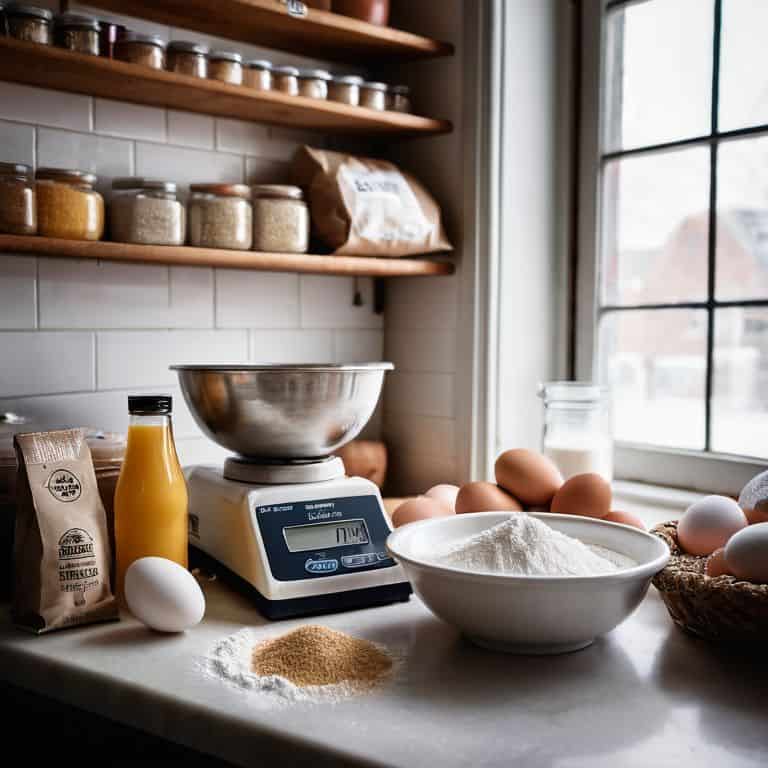
As a pastry instructor, I’ve seen countless students struggle with inconsistent results, only to discover that their measurements were off. That’s why I stress the importance of using a digital scale in baking. It’s not just about following a recipe; it’s about understanding the chemistry behind the ingredients. When you measure ingredients by weight, you’re ensuring that your ratios are precise, which is crucial in baking. I’ve had students who were skeptical at first, but once they started using a digital scale, they noticed a significant improvement in their baked goods. It’s all about accuracy and precision.
The Foundation of Baking: Digital Scale
Now, I know what you’re thinking: ‘Why can’t I just use cups and spoons like my grandmother did?’ The truth is, volume measurements can be highly variable, and when you’re working with ingredients like flour, which can be compacted or aerated, it’s easy to end up with inconsistent results. With a digital scale, you can ensure that your ingredients are measured exactly, which is especially important when working with delicate balances of ingredients. Trust me, once you start using a digital scale, you’ll wonder how you ever managed without one. It’s a game-changer for any serious baker.
Mixing and Blending: Stand Mixer
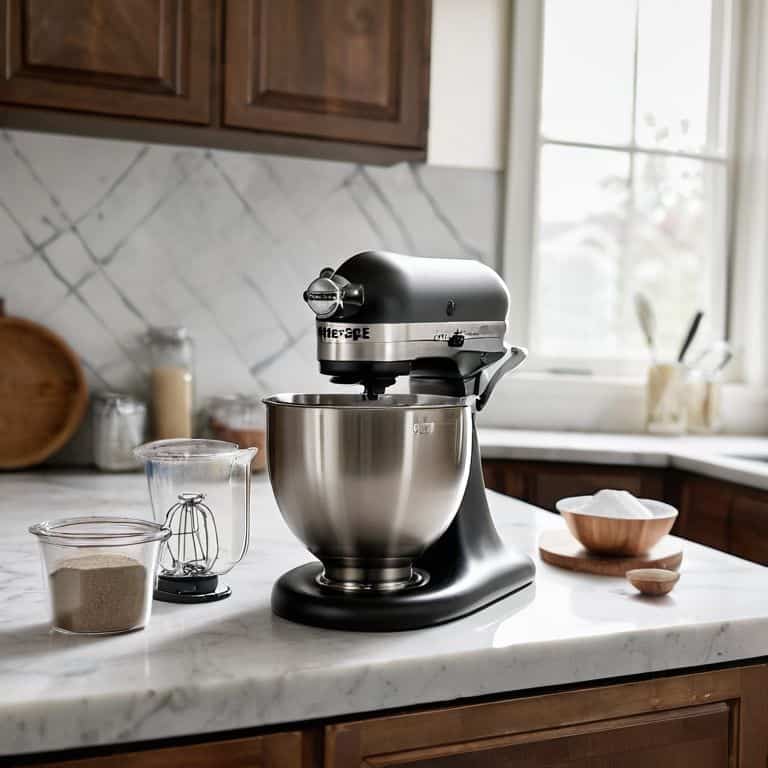
A stand mixer is an indispensable tool for any serious baker. It’s not just a luxury; it’s a necessity. With a stand mixer, you can cream butter and sugar to the perfect consistency, beat eggs until they’re light and fluffy, and mix dough with ease. I’ve seen students struggle with hand mixers or even try to mix everything by hand, but it’s just not the same. A stand mixer allows you to work efficiently and focus on the science behind the recipe. Plus, it’s a huge time-saver, especially when you’re working with large batches of dough.
Mixing and Blending: Stand Mixer
Now, I know that stand mixers can be a significant investment, but trust me, it’s worth it. Not only will it make your baking life easier, but it will also open up a world of possibilities. With a stand mixer, you can try your hand at more complex recipes, like layered cakes or delicate pastries. And, let’s be honest, there’s something satisfying about watching your mixer do all the hard work while you get to focus on the fun part – decorating and enjoying your creations. So, if you’re serious about baking, a stand mixer should be at the top of your wish list.
The Art of Temperature Control: Oven Thermometer
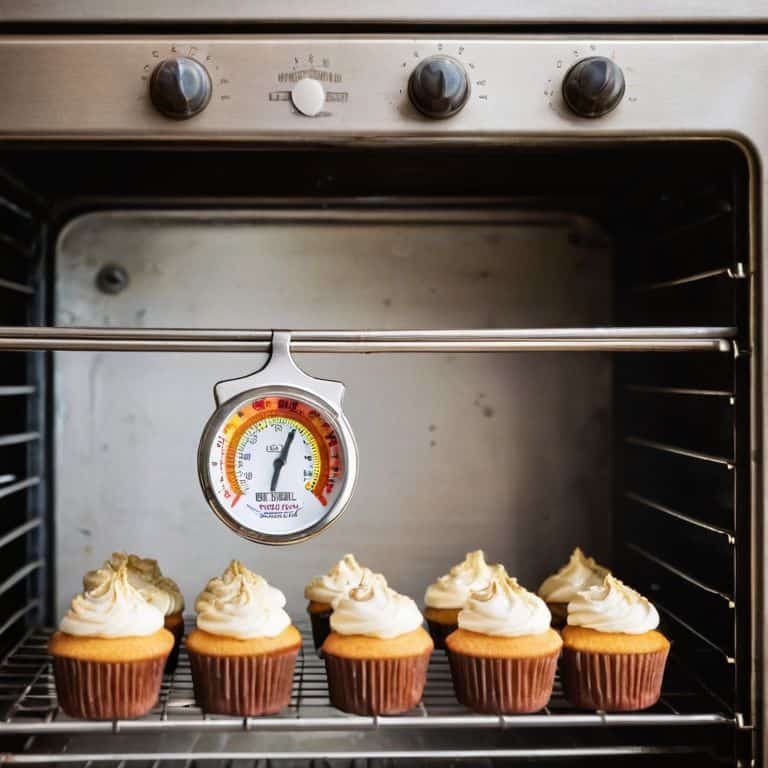
As a baking instructor, I’ve lost count of how many times I’ve seen students struggle with inconsistent oven temperatures. It’s a common mistake that can ruin even the most carefully crafted recipe. That’s why I always stress the importance of using an oven thermometer. It’s a simple tool that can make all the difference in your baking. With an oven thermometer, you can ensure that your oven is at the perfect temperature, which is crucial for even baking and preventing hot spots.
The Art of Temperature Control: Oven Thermometer
Now, I know that some of you might be thinking, ‘But my oven has a built-in thermometer, so I’m all set.’ Unfortunately, it’s not that simple. Built-in thermometers can be inaccurate, and it’s not uncommon for ovens to fluctuate in temperature. With a separate oven thermometer, you can get an accurate reading of your oven’s temperature, which is essential for baking. Trust me, it’s a small investment that will pay off in the long run. And, as an added bonus, it will also help you troubleshoot any issues that might arise during the baking process.
Measuring and Preparing: Bench Scraper
A bench scraper is a simple yet essential tool that every baker should have in their arsenal. It’s not just for scraping dough off your counter; it’s also for measuring and portioning ingredients with ease. With a bench scraper, you can quickly and accurately measure out ingredients, which is especially important when working with small quantities. Plus, it’s a great tool for scraping the sides and bottom of bowls, ensuring that you don’t miss any hidden ingredients.
Measuring and Preparing: Bench Scraper
Now, I know that some of you might be thinking, ‘But I can just use a spatula or my hands to scrape the dough.’ While that might work in a pinch, a bench scraper is a dedicated tool that’s designed specifically for the task at hand. It’s ergonomically designed to fit comfortably in your hand, and the straight edge makes it perfect for scraping and measuring. Trust me, once you start using a bench scraper, you’ll wonder how you ever managed without one. It’s a small investment that will make a big difference in your baking.
The Final Touch: Cooling Rack
A cooling rack is the final piece of the puzzle when it comes to baking. It’s not just a place to cool your baked goods; it’s also a critical step in the baking process. With a cooling rack, you can ensure that your baked goods cool evenly and quickly, which is essential for preventing sogginess and promoting texture. Plus, it’s a great way to add a decorative touch to your baked goods, especially when you’re presenting them to friends and family.
The Final Touch: Cooling Rack
Now, I know that some of you might be thinking, ‘But I can just use a plate or tray to cool my baked goods.’ While that might work in a pinch, a cooling rack is a dedicated tool that’s designed specifically for the task at hand. It’s elevated design allows for air circulation, which is essential for cooling baked goods quickly and evenly. Trust me, once you start using a cooling rack, you’ll notice a significant difference in the texture and quality of your baked goods. It’s a small investment that will pay off in the long run.
Key Takeaways to Unlock Your Baking Potential
Mastering the basics of baking starts with having the right tools, and I’ve seen firsthand how these essentials can transform a novice baker into a confident creator
Understanding the science behind each tool – from precision measuring scales to silicone spatulas – is crucial for achieving consistent, high-quality results in your baking
By investing in these fundamental tools and developing a deep understanding of their roles in the baking process, you’ll be well on your way to demystifying the art of baking and unlocking a world of sweet and savory possibilities
The Foundation of Baking
Investing in the right tools is not just about gathering equipment, it’s about building a foundation for precision, consistency, and creativity in the kitchen – the true hallmarks of a skilled baker.
Beatrice Quinn
Equipping Your Baking Journey
As we conclude our exploration of the essential baking tools for beginners, it’s clear that investing in these fundamentals will significantly elevate your baking experience. From the precision of digital scales to the versatility of a stand mixer, each tool plays a vital role in helping you achieve consistent, high-quality results. By understanding the importance of these tools and how they contribute to the science of baking, you’ll be better equipped to tackle a wide range of recipes with confidence.
Remember, baking is a journey where practice and patience are just as important as the tools you use. As you continue to grow and experiment with new recipes, always keep in mind that the art of baking is rooted in science. With these essential tools by your side and a willingness to learn, you’ll unlock a world of culinary possibilities and make the baking process a truly enjoyable and rewarding experience.
Frequently Asked Questions
What are the most critical tools for a beginner to invest in if they have a limited budget?
If you’re on a limited budget, start with the essentials: a digital scale, a mixing bowl, a whisk, a rubber spatula, and a baking sheet. These five tools will get you baking with confidence and precision, and they’re must-haves in my book. Trust me, I’ve seen students succeed with just these basics!
How often should I replace my baking tools, such as whisks or spatulas, to ensure optimal performance?
As a seasoned baking instructor, I recommend replacing whisks and spatulas every 6-12 months, depending on usage. Signs of wear, like frayed wires or scratches, indicate it’s time for a new one. Regular replacement ensures optimal performance and prevents the risk of contamination or uneven mixing, which can affect your baked goods’ quality.
Are there any specific brands or types of essential baking tools that are recommended for beginners, or are generic options sufficient?
While generic options can work, I swear by a few tried-and-true brands like KitchenAid for mixers and Silpat for mats. For beginners, investing in quality tools can make a world of difference in their baking journey, and these brands offer reliability and consistency that’s hard to beat.