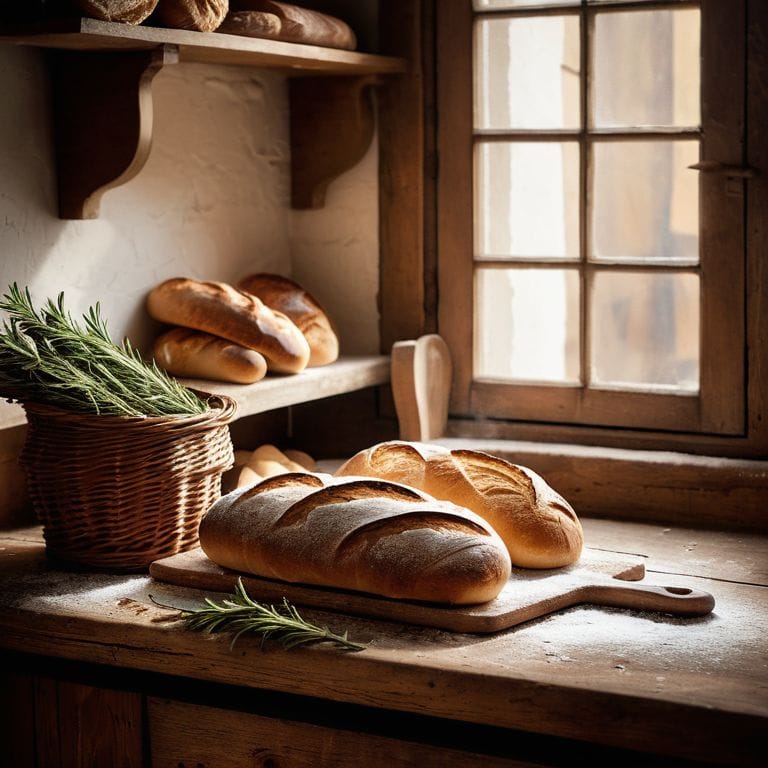
I still remember the first time I had to explain what is gluten to a room full of eager baking students. The looks on their faces ranged from confusion to fear, and I knew right then that I had to simplify the science behind this complex protein. For years, I’ve seen home bakers struggle with the concept, often due to overcomplicated recipes or misleading information. As a Certified Master Baker, I’m here to tell you that understanding gluten is not rocket science, but rather a fundamental aspect of baking that can make all the difference in your creations.
In this article, I promise to cut through the hype and provide you with a no-nonsense guide to understanding what is gluten. I’ll share my 20 years of experience as a pastry instructor, explaining the science behind gluten development and how it affects your baked goods. My goal is to empower you with the knowledge to bake with confidence, without relying on expensive gadgets or complicated recipes. By the end of this journey, you’ll have a clear understanding of gluten’s role in baking, and you’ll be able to apply this knowledge to create delicious, mouth-watering treats that will impress even the most discerning palates.
Table of Contents
Unlocking What Is Gluten

To truly understand the concept of gluten, let’s dive into its protein structure. Gluten is a complex mixture of proteins, primarily composed of gliadin and glutenin, which are found in wheat, barley, and rye. When flour is mixed with water, these proteins bond together, forming a network of strands that give dough its elasticity and strength. This is especially crucial in the role of gluten in bread making, as it allows bread to rise and maintain its shape.
As we explore the world of gluten, it’s essential to consider the effects of gluten on digestion. For some individuals, consuming gluten can lead to adverse reactions, such as gluten intolerance symptoms, which can range from mild discomfort to severe digestive issues. This has led to a growing interest in gluten free baking tips, as people seek alternative ways to enjoy their favorite treats without compromising their health.
By grasping the fundamentals of gluten, bakers can better navigate the complexities of working with this versatile protein. Whether you’re a seasoned pro or a novice baker, understanding the science behind gluten will empower you to create delicious, high-quality baked goods with confidence. With this knowledge, you’ll be well on your way to unlocking the secrets of gluten and taking your baking to the next level.
The Role of Gluten in Bread Making
When it comes to bread making, gluten development is crucial. It’s what gives bread its structure and texture. As a baker, understanding how gluten forms and functions is essential to creating a delicious, chewy loaf.
The network of gluten strands that forms during the mixing and kneading process is what traps air bubbles, allowing the dough to rise. By controlling the development of this network, bakers can create a wide range of textures and flavors, from delicate pastries to hearty sourdoughs.
Understanding Gluten Intolerance Symptoms
When we talk about gluten, it’s essential to consider those who have an adverse reaction to it. Gluten intolerance symptoms can range from mild discomfort to severe pain, and it’s crucial to recognize them. Some common indicators include bloating, abdominal pain, and diarrhea, which can be debilitating for those affected.
Understanding gluten sensitivity is vital for bakers, as it allows us to create inclusive recipes that cater to diverse dietary needs. By being aware of the potential effects of gluten on the human body, we can experiment with alternative ingredients and develop innovative, gluten-free baked goods that are just as delicious as their traditional counterparts.
Mastering Gluten in Baking
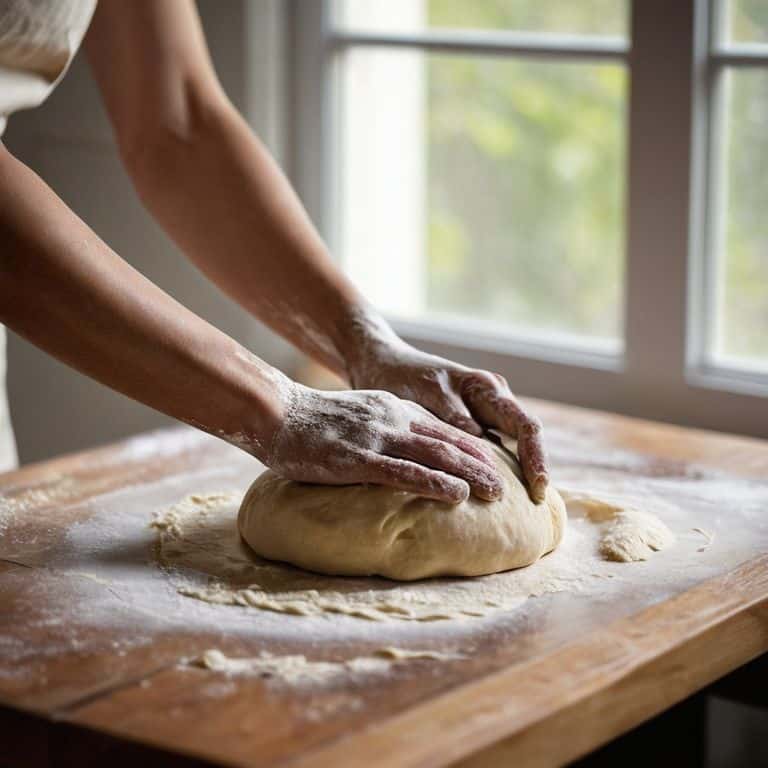
To truly master the art of baking, one must understand the intricacies of gluten. As a pastry instructor, I’ve seen many students struggle with gluten-related issues, from gluten intolerance symptoms to inconsistent bread textures. However, with a solid grasp of gluten’s role, bakers can begin to experiment with innovative recipes and techniques.
In the context of bread making, the role of gluten is multifaceted. It provides structure, texture, and elasticity to dough, allowing it to rise and hold its shape. When working with gluten, it’s essential to consider the gluten protein structure, as this affects the final product’s texture and consistency. By understanding how gluten interacts with other ingredients, bakers can create a wide range of breads, from delicate pastries to hearty, crusty loaves.
As bakers become more confident in their understanding of gluten, they can begin to explore gluten-free baking tips and alternatives. This not only helps those with gluten intolerance but also allows for creative experimentation with new ingredients and flavors. By embracing the science behind gluten, bakers can unlock a world of possibilities, from traditional breads to innovative, gluten-free treats.
Effective Gluten Free Baking Tips
When it comes to gluten-free baking, I always stress the importance of precise measurement. This is because gluten-free flours can behave quite differently from their gluten-containing counterparts, and small variations in ingredient ratios can greatly impact the final product. By taking the time to carefully measure out each ingredient, you can ensure that your gluten-free baked goods turn out light, fluffy, and full of flavor.
To achieve the best results, I recommend experimenting with different flour blends. This can help you find the perfect combination of textures and flavors to suit your taste preferences. Whether you’re working with almond flour, coconut flour, or rice flour, remember that each type of flour has its own unique characteristics and requirements.
Gluten Protein Structure Explained
To truly grasp the concept of gluten, we need to dive into its protein structure. Gluten is composed of two main proteins: gliadin and glutenin. The molecular bonds between these proteins are what give dough its elasticity and strength. Understanding how these proteins interact is crucial for achieving the perfect bake.
The unique arrangement of these proteins allows them to form a network of strands, which is responsible for the chewy texture of bread. Protein hydration plays a key role in this process, as it enables the proteins to bond and create the desired structure. By recognizing how gluten’s protein structure works, bakers can better control the final texture of their baked goods.
5 Essential Tips to Understand and Work with Gluten
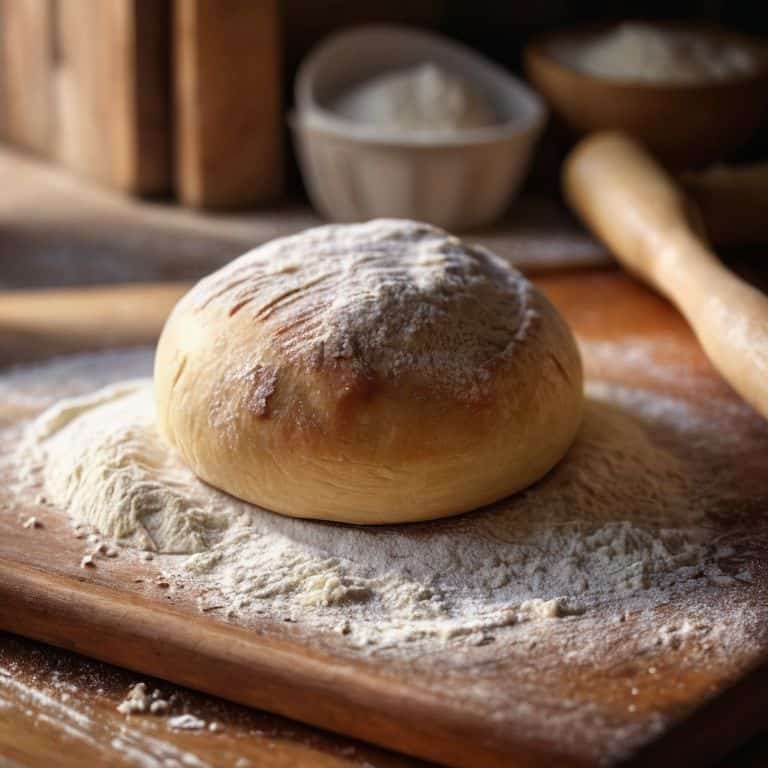
- Recognize that gluten is a complex protein found in wheat, barley, and rye, and its unique properties are what give dough its elasticity and structure
- Understand that gluten intolerance and sensitivity are different from celiac disease, and being aware of these differences can help you cater to various dietary needs
- Learn to measure ingredients by weight, not volume, as this is crucial for achieving the right gluten development in your baked goods
- Experiment with different types of flour to understand how varying levels of gluten affect the final product, from delicate pastries to hearty breads
- Keep in mind that overmixing can lead to over-developed gluten, resulting in tough or dense baked goods, so mix wet and dry ingredients separately and gently fold them together
Key Takeaways: Unlocking the Power of Gluten
Gluten plays a crucial role in bread making, providing structure and elasticity to dough, and understanding its function is essential for achieving the perfect loaf
Recognizing the signs of gluten intolerance is vital for bakers, as it allows them to create inclusive and delicious gluten-free alternatives for those with dietary restrictions
Mastering gluten in baking requires a deep understanding of its protein structure and how it interacts with other ingredients, enabling bakers to craft a wide range of recipes with confidence and precision
The Essence of Gluten
Gluten is not just a component of dough, it’s the conductor that orchestrates the harmony of texture, structure, and flavor in our baked creations – understanding its role is the key to unlocking the true magic of baking.
Beatrice Quinn
Conclusion: The Power of Gluten Understanding
As we’ve explored the world of gluten, from its role in bread making to understanding gluten intolerance symptoms, it’s clear that mastering gluten is key to unlocking your full baking potential. We’ve delved into the science behind gluten, including its protein structure and how it behaves in different recipes. By grasping these fundamental concepts, you’ll be better equipped to tackle a wide range of baked goods, from delicate pastries to hearty breads. Whether you’re a seasoned baker or just starting out, developing a deep understanding of gluten will help you navigate the complexities of baking with confidence.
As you continue on your baking journey, remember that the art of working with gluten is a skill that takes time and practice to develop. Don’t be discouraged by setbacks or failures – instead, use them as opportunities to learn and grow. With patience, persistence, and a willingness to experiment and innovate, you’ll unlock the secrets of gluten and become a skilled baker, capable of creating delicious, memorable treats that will delight and inspire those around you. So go ahead, get baking, and discover the magic that happens when science and skill come together in perfect harmony!
Frequently Asked Questions
How does gluten affect the texture and structure of different types of baked goods?
Gluten’s impact on texture and structure varies across baked goods. In bread, it creates elasticity and chew, while in cakes and pastries, it provides tenderness and structure. Understanding gluten’s role is key to achieving the right texture, whether it’s a crispy crust or a fluffy interior.
What are the main differences between gluten-containing and gluten-free flours in terms of protein content and baking properties?
When it comes to gluten-containing and gluten-free flours, the key difference lies in their protein content. Gluten-containing flours, like wheat, have a higher protein content, which creates structure and elasticity in baked goods. In contrast, gluten-free flours often have lower protein content, requiring additional ingredients to achieve similar baking properties.
Can gluten intolerance or sensitivity be developed over time, or is it typically something people are born with?
While some people are born with gluten intolerance, others can develop sensitivity over time due to various factors, such as changes in gut health or increased gluten consumption. I’ve seen students in my baking classes develop issues after years of consuming gluten without problems, highlighting the importance of being mindful of our bodies’ responses to gluten.