I still remember the first time I attempted to make a meringue-based dessert – it was a disaster. The secret to stiff peaks in meringue seemed like an elusive dream, and I was convinced that it was all about adding a pinch of magic to the mix. But, as I delved deeper into the world of pastry-making, I discovered that the truth was far more straightforward. It’s not about the magic; it’s about understanding the science behind the whip. The common myth that you need to add a special ingredient to achieve stiff peaks is nothing but a myth. The real secret lies in the technique, and I’m excited to share my knowledge with you.
In this article, I’ll guide you through the step-by-step process of achieving perfect stiff peaks in meringue. You’ll learn how to whip your egg whites to perfection, and I’ll share my personal tips and tricks for ensuring that your meringue turns out light, fluffy, and utterly divine. By the end of this article, you’ll be equipped with the practical advice you need to take your baking to the next level. So, let’s get started on this journey to uncover the secret to stiff peaks in meringue, and discover the joy of creating truly exceptional desserts.
Table of Contents
Guide Overview: What You'll Need
Total Time: 30 minutes to 1 hour
Estimated Cost: $5 – $10
Difficulty Level: Easy
Tools Required
- Stand Mixer (or Hand Mixer)
Supplies & Materials
- Egg Whites room temperature
- Granulated Sugar superfine or caster sugar works best
- Cream of Tartar a pinch helps stabilize the meringue
Step-by-Step Instructions
- 1. First, let’s start with the foundation of achieving stiff peaks in meringue: room temperature egg whites. It’s essential to take your eggs out of the refrigerator and let them sit at room temperature for at least 30 minutes before you begin. This will help your eggs whip up to their full potential and give you a more stable meringue.
- 2. Next, you’ll want to prepare your mixing bowl and whisk. I always use a copper bowl, as it helps to strengthen the bonds between the egg whites and sugar, but any clean, dry bowl will do. Make sure your whisk is also clean and dry, as any residual moisture or fat can prevent your egg whites from whipping up properly.
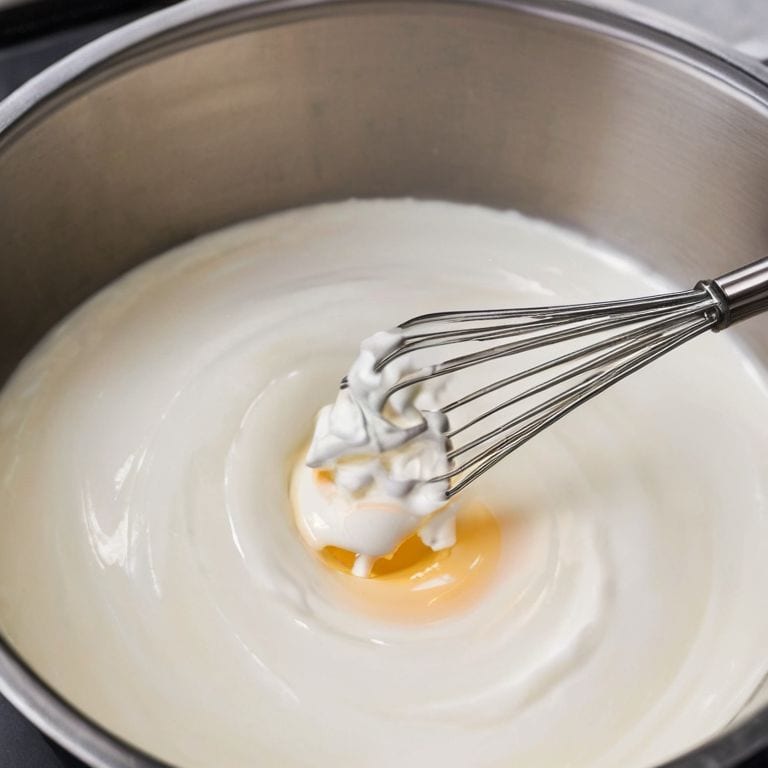
- 3. Now it’s time to start whipping your egg whites. Begin by whisking them on a low speed, just to break them up and get them moving. As you continue to whip, you’ll start to see the egg whites become frothy and double in volume. At this point, you can increase the speed of your whisk and start to add your sugar, a little at a time.
- 4. The key to achieving stiff peaks is to whip slowly and patiently. Don’t rush the process, as over-whipping can lead to a meringue that’s too stiff and prone to cracking. Instead, take your time and let the egg whites whip up gradually, adding your sugar in small increments as you go.
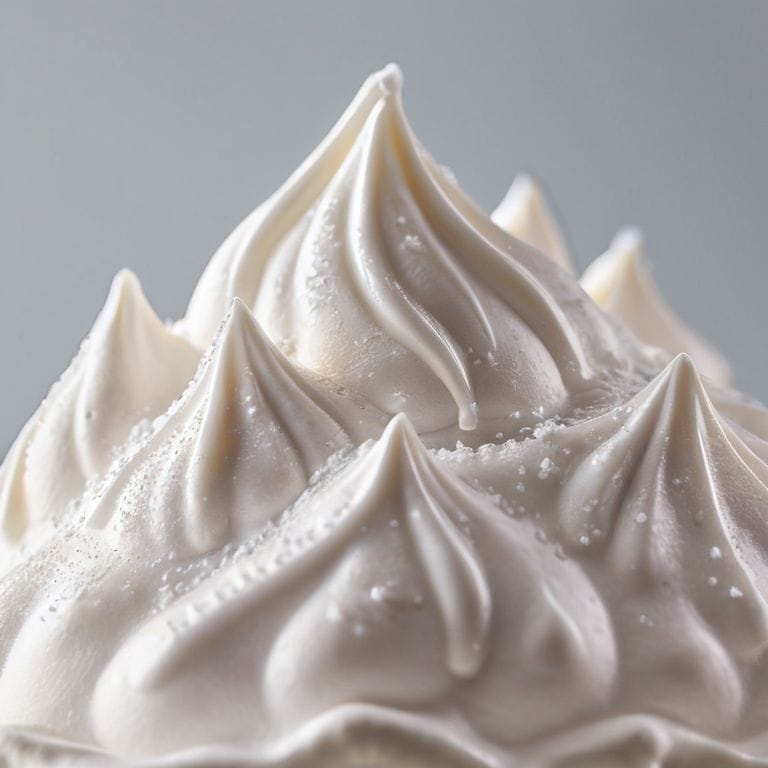
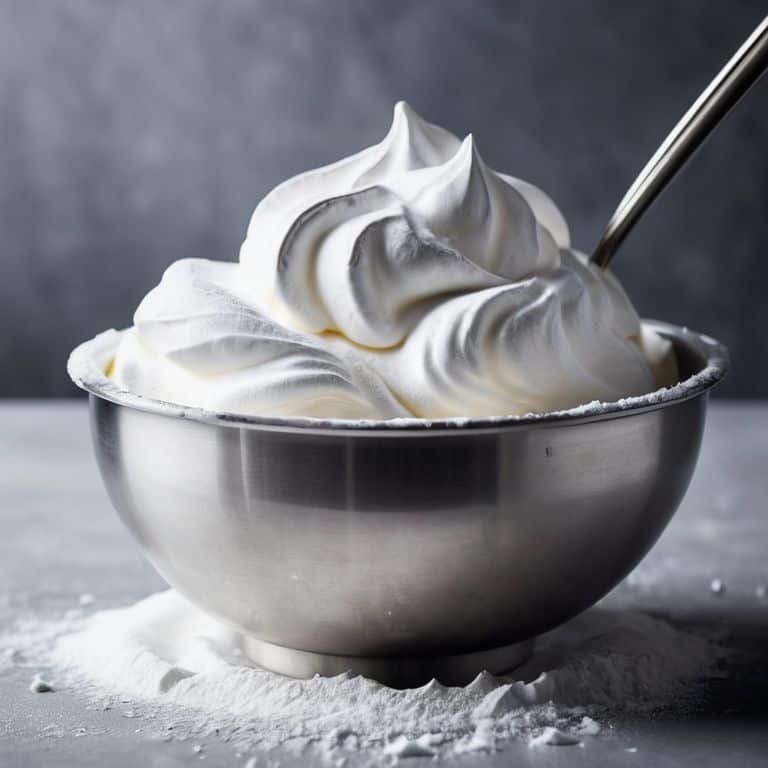
- 5. As you continue to whip, you’ll start to notice the meringue becoming thicker and more rigid. This is when you know you’re getting close to achieving those perfect stiff peaks. To test the meringue, stop the mixer and lift the whisk out of the bowl. If the peaks hold their shape and don’t collapse, you’re ready to move on to the next step.
- 6. Once you’ve achieved stiff peaks, it’s essential to stop whipping immediately. Over-whipping can cause the meringue to become too stiff and separate, leading to a dense, chewy texture. Instead, stop the mixer and gently fold in any additional ingredients, such as flavorings or colorings, using a gentle folding motion.
- 7. Finally, it’s time to shape your meringue into the desired form. You can use a piping bag and tip to create intricate designs, or simply spoon the meringue onto a baking sheet lined with parchment paper. Whatever shape you choose, make sure to bake the meringue slowly and carefully, using a low temperature and a long baking time to help it dry out and become crispy.
Cracking the Meringue Code
To truly master the art of achieving stiff peaks in meringue, one must delve into the nuances of egg white whipping techniques. It’s not just about whipping the egg whites until they become stiff, but also about understanding how to balance the sugar ratio for meringue to ensure stability. A common mistake many make is overmixing, which can lead to overmixing meringue problems, resulting in a dense, chewy texture instead of a light, airy one.
When it comes to meringue stability tips, humidity plays a significant role. On humid days, it’s essential to be extra careful, as the excess moisture in the air can affect the meringue’s texture and structure. To combat this, I always ensure my kitchen is well-ventilated and maintain a consistent temperature, which helps to mitigate the effects of humidity on my meringue.
By paying close attention to these details and avoiding common meringue mistakes, you’ll be well on your way to creating meringues with stiff, majestic peaks. Remember, the key to success lies in the precise balance of ingredients and techniques, and with practice, you’ll develop the skills to craft truly exceptional meringue-based desserts.
Beating Overmixing Meringue Problems
Beating Overmixing Meringue Problems
To truly crack the meringue code, you must understand the delicate balance between whipping and overmixing. I’ve seen it time and time again: a perfectly stable meringue reduced to a sad, flat mess due to over-enthusiastic whipping. The key is to stop just shy of stiff peaks, when the mixture still holds a hint of softness. This is where the magic happens, and your meringue transforms from a lackluster blob to a majestic, airy crown.
By paying attention to the subtle cues of your meringue – the way it responds to the whisk, the sound it makes as it whips – you’ll develop an intuitive sense of when to stop. Trust me, it’s a skill that comes with practice, and one that will elevate your meringue game to new heights.
Sugar Ratio for Stable Whipped Wonders
To achieve those majestic stiff peaks, the sugar ratio is paramount. I always say, it’s not just about adding sugar, but about balance. Too little sugar and your meringue will be too soft, too much and it’ll be brittle. For stable whipped wonders, I swear by a 2:1 ratio of sugar to egg whites. This harmony allows the meringue to hold its shape while still being smooth and pliable.
By maintaining this precise ratio, you’ll be amazed at how your meringues transform. The sugar will strengthen the egg whites’ protein bonds, creating a robust yet delicate structure. Trust me, it’s a game-changer. I’ve spent years perfecting this technique, and it’s a cornerstone of my pastry philosophy. With this ratio, you’ll be well on your way to crafting meringue masterpieces that will leave everyone in awe.
Unleashing the Meringue Majesty: 5 Tips to Reach New Heights
- Whip it like you mean it: Room temperature egg whites are a must, but it’s the gentle yet firm whipping that sets the stage for stiff peaks
- Temper your tools: Ensure your bowl and whisk are at room temperature, as any residual heat can melt the delicate structure of your meringue
- Sugar savvy: Using the right ratio of sugar to egg whites is crucial, but also consider the type of sugar – superfine or caster sugar dissolves faster, supporting a smoother whip
- Acidity adjustment: A pinch of cream of tartar or a squeeze of fresh lemon juice can help stabilize your meringue, but don’t overdo it – too much and you’ll end up with a sad, flat mess
- Patience is a virtue: Whip in stages, allowing your meringue to rest and recover between bouts of whipping – this gentle approach helps build a strong, stiff foundation that will leave your desserts towering above the rest
Meringue Mastery: 3 Key Takeaways
Whipping technique is paramount: to achieve stiff peaks, it’s essential to understand the optimal whipping speed, time, and tool to use, as over-whipping can lead to a deflated meringue
Temperature and sugar ratio are crucial: maintaining the right environment, typically between 20-25°C, and using the correct sugar ratio, usually 1:2 or 1:3 sugar to egg whites, can make or break the stability of your meringue
Practice makes perfect: mastering the art of stiff peaks in meringue requires patience, persistence, and a keen eye for detail, so don’t be discouraged by initial failures – keep experimenting until you crack the code
The Meringue Mastery Mantra
Stiff peaks in meringue are not just about the technique, but about understanding the whispers of the egg whites, the subtle dance of sugar and air, and the patience to coax out the hidden majesty within.
Juliette Le Roux
The Sweet Taste of Perfection
As we conclude our journey to uncover the secret to stiff peaks in meringue, let’s recap the essential elements that have brought us to this point. We’ve discussed the importance of precise temperature control, the delicate balance of sugar ratio, and the gentle yet firm touch required when whipping our meringue into submission. By understanding and mastering these techniques, you’ll be well on your way to creating meringue-based desserts that are truly breathtaking. Whether you’re a seasoned pastry chef or an enthusiastic home baker, the pursuit of perfection is a rewarding journey that requires patience, dedication, and a willingness to learn from your mistakes.
So, as you stand in your kitchen, whisk in hand, ready to tackle the challenge of creating the perfect meringue, remember that it’s all about the details. The pursuit of perfection is a mindset, a way of approaching your craft with precision, creativity, and passion. Don’t be discouraged by setbacks or failures – instead, use them as opportunities to refine your technique and push the boundaries of what’s possible. With time, practice, and a commitment to excellence, you’ll be crafting meringue masterpieces that will leave even the most discerning palates in awe.
Frequently Asked Questions
What happens if I overbeat the meringue and it becomes too stiff, can it still be salvaged?
The peril of overbeating. If your meringue becomes too stiff, don’t panic. You can still rescue it by gently folding in a small amount of egg white or a splash of water to loosen the mixture. This will help restore a smooth, pliable texture, but act quickly, as overworked meringue can rapidly become unusable.
How does the type of sugar used affect the stability and peak of the meringue?
The type of sugar is crucial – I only use superfine or caster sugar for meringues. The smaller crystals dissolve faster, reducing the risk of gritty texture and promoting stability. Avoid using granulated sugar, as it can create an uneven structure, leading to sad, weepy meringues. Trust me, it’s worth the extra trip to the specialty store for the good stuff.
At what point should I stop whipping the meringue to achieve the perfect stiff peak without risking collapse?
Stop whipping when the meringue forms a smooth, glossy peak that holds its shape, but still has a slight sheen to it. Over-whipping is the enemy of stiff peaks, so don’t overdo it. I like to say, ‘whip until it whispers stiffness,’ then stop – any further and you risk collapse.