I still remember the first time I attempted to make a classic New York cheesecake recipe. I was a young pastry student at Le Cordon Bleu, and I had heard that this iconic dessert was notoriously finicky. Many of my peers believed that achieving the perfect cheesecake was a matter of luck, but I was determined to master the technique. As I delved deeper into the world of cheesecakes, I discovered that the key to success lies not in luck, but in understanding the science behind the ingredients and the art of balance.
As we explore the world of a classic New York cheesecake recipe together, I promise to share my honest, experience-based advice on how to create a truly exceptional dessert. I’ll guide you through the process of selecting the finest ingredients, from the highest-quality vanilla to the best unsalted butter, and provide you with a meticulously tested recipe that yields a perfectly baked cheesecake every time. My goal is to empower you with the knowledge and skills to create a masterpiece that will impress even the most discerning palates, and to make the art of baking a classic New York cheesecake recipe accessible to everyone.
Table of Contents
Recipe Details
Ingredients
- 1 1/2 cups graham cracker crumbs (about 9 crackers, crushed)
- 1/2 cup granulated sugar
- 1/2 cup unsalted butter, melted
- 2 pounds cream cheese, softened
- 3 large eggs
- 1/2 cup granulated sugar
- 1/2 cup sour cream
- 1 teaspoon vanilla extract
Tools & Supplies
- 9-inch springform pan
- Large mixing bowl
- Electric mixer
- Whisk
- Measuring cups and spoons
Recipe Instructions
Step 1
To begin our journey to the perfect New York cheesecake, preheat your oven to 350°F (175°C), making sure to have a rack in the lower third of the oven. This initial step is crucial as it sets the stage for even baking and helps prevent cracking.
Step 2
Next, let’s focus on the crust preparation. In a medium bowl, whisk together 1 1/2 cups of graham cracker crumbs, 1/4 cup of granulated sugar, and 6 tablespoons of melted unsalted butter until well combined. Press this mixture into the bottom of a 9-inch springform pan, ensuring it’s evenly distributed and firmly packed.
Step 3
Now, we move on to the cheesecake batter, which is the heart of our dessert. In a large mixing bowl, beat the cream cheese until it’s smooth, about 2 minutes. Add 1/2 cup of granulated sugar and beat until combined, followed by 4 large eggs, one at a time, beating well after each addition. It’s essential to beat in a gentle and consistent manner to avoid incorporating too much air.
Step 4
With the cheesecake batter progressing, it’s time to add the remaining ingredients, including 1/2 cup of sour cream, 1 teaspoon of vanilla extract, and a pinch of salt. Beat these in until just combined, being careful not to overmix, which can lead to a dense cheesecake.
Step 5
The cheesecake is now ready to be poured into the prepared pan over the crust. Smooth the top with a spatula to ensure an even surface, which is vital for both the baking process and the final presentation. Once smoothed, the cheesecake is ready to be placed in the oven for baking.
Step 6
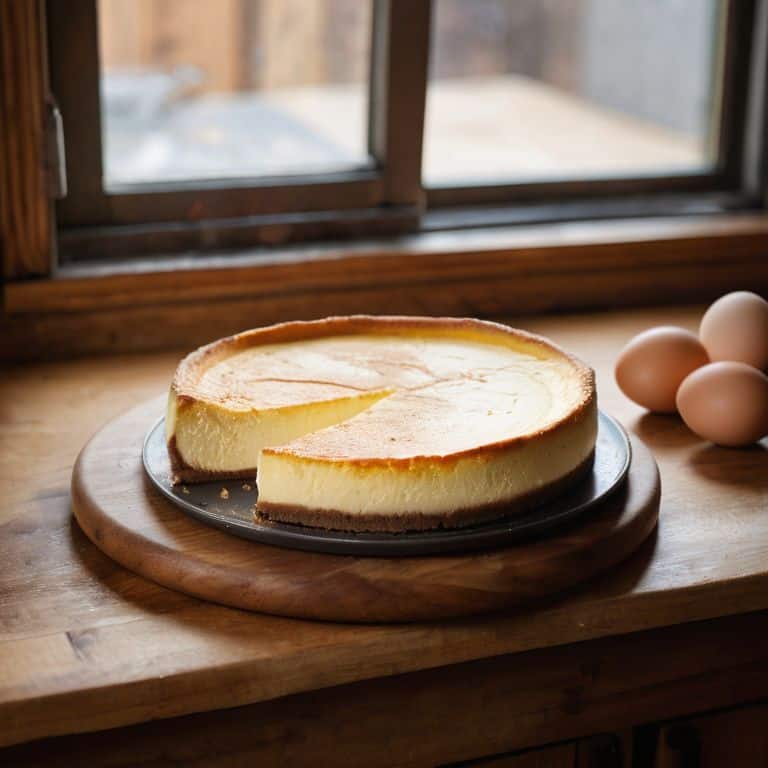
Place the cheesecake in the oven and bake for 55-60 minutes, or until the edges are set and the center is just slightly jiggly. Avoid overbaking, as this can cause the cheesecake to dry out and potentially crack. After the baking time has elapsed, turn off the oven and let the cheesecake cool completely in the oven with the door ajar.
Step 7
Once the cheesecake has cooled, remove it from the oven and let it cool completely on a wire rack. When it has reached room temperature, cover and refrigerate it for at least 4 hours or overnight. This step is crucial for allowing the flavors to meld together and the cheesecake to set properly, making it easier to slice and serve.
Step 8
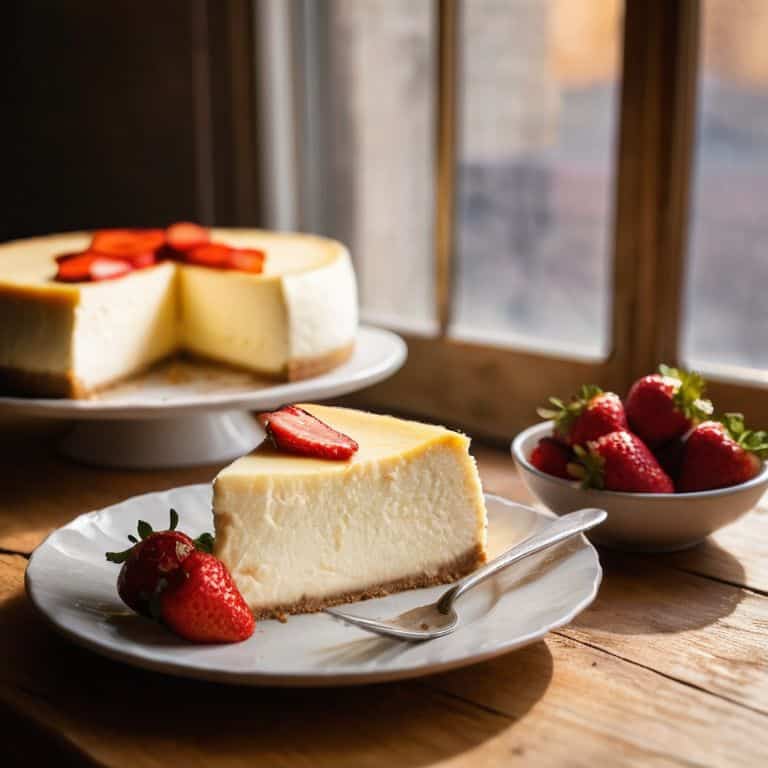
Finally, to unmold the cheesecake, run a knife around the edges of the springform pan, then release the spring. Transfer the cheesecake to a serving plate and slice it into portions. You can serve it as is or garnish it with your choice of toppings, such as fresh fruits or a drizzle of caramel sauce, to add an extra layer of visual appeal and flavor.
Mastering a Classic New York Cheesecake Recipe
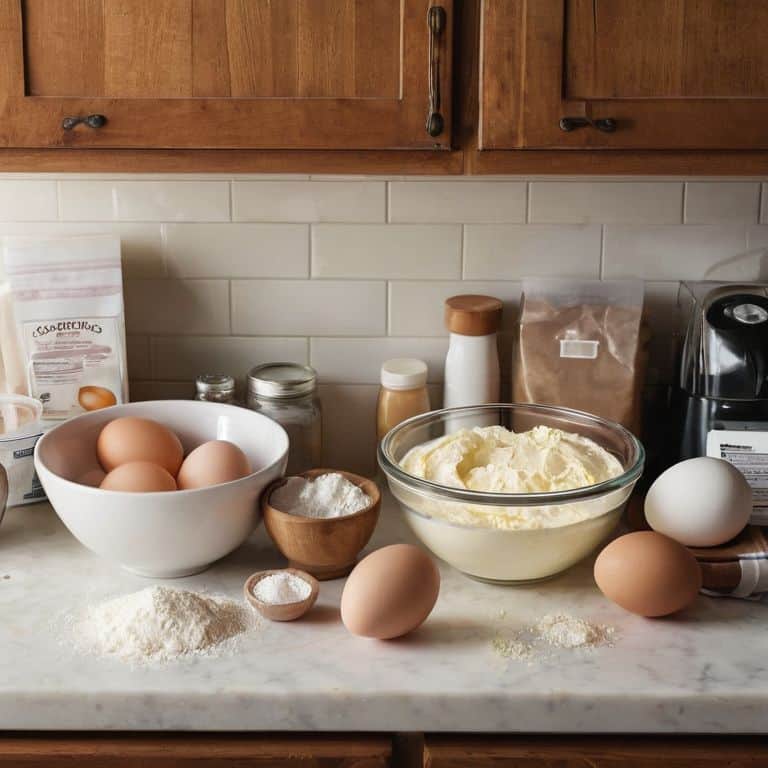
As I delve deeper into the world of cheesecakes, I’m reminded of the importance of room temperature ingredients. This simple yet crucial step ensures that your batter mixes smoothly, reducing the risk of a dense or unevenly baked cheesecake. When it comes to a New York-style cheesecake, this is particularly vital, as it relies on a delicate balance of cream cheese, eggs, and sugar to achieve that signature creamy texture.
One of the most common mistakes people make when baking a cheesecake in a water bath is not wrapping the pan properly, leading to water seepage and a ruined dessert. To avoid this, make sure to wrap your cheesecake pan in multiple layers of foil, securing it tightly to prevent any water from entering. This will not only ensure your cheesecake stays dry but also help it bake evenly, reducing the risk of preventing cheesecake cracks.
For a truly authentic New York-style cheesecake experience, it’s essential to use a high-quality graham cracker crust. This involves selecting the right type of crackers, grinding them to the perfect consistency, and baking them just long enough to set. By following these simple tips and using the right techniques, you’ll be well on your way to creating a cheesecake that’s reminiscent of the classic cheesecake recipes from New York, with a texture and flavor that’s sure to impress even the most discerning palates.
Baking a Cheesecake in a Water Bath Tips and Tricks
Baking a cheesecake in a water bath is an art that requires finesse. I always say, it’s all about gentle heat and a stable environment. To achieve this, I recommend using a large roasting pan filled with hot water, about halfway up the sides of the springform pan. This will help regulate the temperature and prevent cracking.
When placing the cheesecake in the water bath, make sure it’s fully submerged and the water level is below the top of the foil wrapping. This technique may seem tedious, but trust me, it’s worth the extra effort for a smooth, creamy texture and a beautifully baked crust.
Graham Cracker Crust Secrets for a Perfect Base
For me, the foundation of a sublime New York cheesecake lies in its crust. I adore using graham crackers, as they add a delicate crunch and a whisper of sweetness. To create the perfect base, I always ensure my crackers are finely ground, almost to a powder. This helps the crust hold together beautifully, providing a sturdy yet delicate base for the creamy cheesecake. A touch of melted butter brings everything together, infusing the crust with a richness that complements the cheesecake perfectly.
I find that using high-quality graham crackers makes all the difference, as they have a more nuanced flavor profile. When pressing the crust mixture into the pan, I make sure to get it evenly distributed, paying extra attention to the corners where it can sometimes get a bit thick. A perfectly baked crust is golden brown and set, providing a beautiful textural contrast to the smooth cheesecake.
Elevating Your Baking: 5 Essential Tips for a Classic New York Cheesecake
- Choose the finest ingredients, particularly the cream cheese, which should be at room temperature for a silky smooth batter
- Never overmix the cheesecake batter, as this can lead to a dense, cracked final product – stop mixing the moment the ingredients come together
- Use a water bath to bake the cheesecake, ensuring even heat distribution and a reduced risk of cracking, by wrapping the springform pan in foil and placing it in a larger pan filled with hot water
- Allow the cheesecake to cool completely in the pan before refrigerating it, as sudden changes in temperature can cause it to crack or become misshapen
- Resist the temptation to open the oven door during baking, as the sudden change in temperature can cause the cheesecake to sink or crack – patience is key to achieving that perfect, creamy texture
Elevating Your Baking: 3 Key Takeaways
By mastering the water bath technique, you’ll significantly reduce the risk of cracking and ensure a smooth, even bake, giving your cheesecake a professional finish.
Creating the perfect Graham cracker crust is a delicate balance of texture and flavor, where the right ratio of crackers to sugar and butter can make all the difference in providing a sturdy yet delicious base for your cheesecake.
Ultimately, the secret to a truly exceptional New York cheesecake lies in the attention to detail and the quality of your ingredients, from the freshness of your eggs to the richness of your cream cheese, each component playing a critical role in the final masterpiece.
The Essence of a Timeless Dessert
A classic New York cheesecake is more than just a recipe – it’s a masterclass in balance and restraint, where each ingredient and technique converges to create a culinary symphony that transcends time and trend.
Alison Lawson
Elevating Your Baking Experience
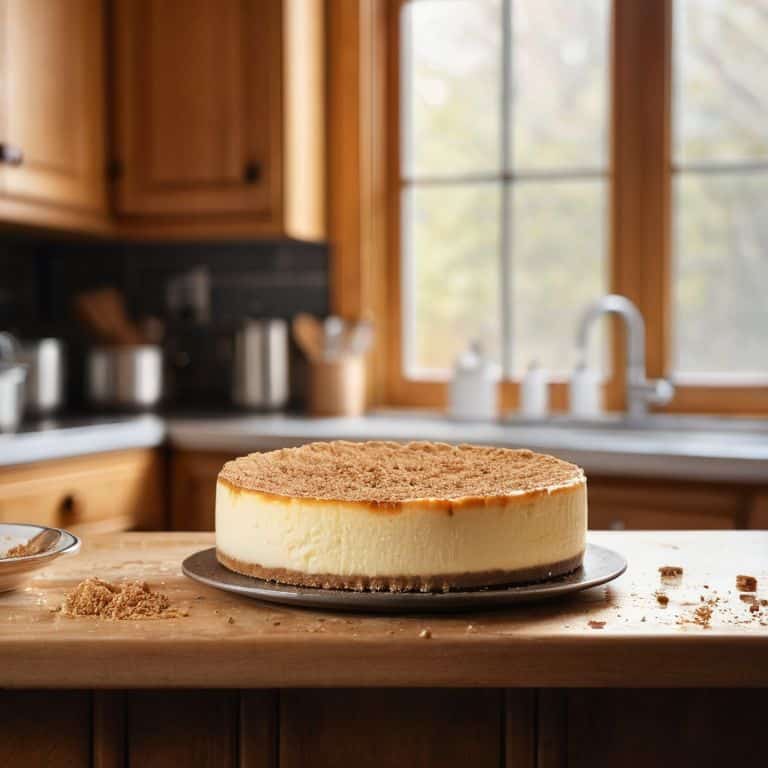
As we conclude our journey through the classic New York cheesecake recipe, let’s summarize the essential elements that make this dessert truly exceptional. We’ve discussed the importance of a water bath in ensuring a smooth and even bake, as well as the secrets to creating a perfect Graham cracker crust. By mastering these techniques and paying close attention to the quality of your ingredients, you’ll be well on your way to creating a cheesecake that’s sure to impress. Whether you’re a seasoned baker or just starting out, remember that practice and patience are key to achieving perfection in the kitchen.
As you embark on your own cheesecake-making journey, I encourage you to think of this recipe as a canvas for your creativity. Don’t be afraid to experiment with new flavors and ingredients, and always remember that the art of baking is just as much about the process as it is about the end result. With time and practice, you’ll develop your own unique style and voice in the kitchen, and the joy of creating something truly beautiful and delicious will be all the more rewarding. Happy baking, and I look forward to seeing the incredible creations you’ll come up with!
Frequently Asked Questions
What is the ideal temperature and baking time to ensure a perfectly cooked New York cheesecake?
For a perfectly cooked New York cheesecake, I recommend baking at 325°F (165°C) for 55-60 minutes, or until the edges are set and the center is just slightly jiggly. This gentle heat and moderate baking time will help prevent cracking and ensure a creamy, evenly cooked interior.
How do I prevent cracking on the surface of my cheesecake?
To prevent cracking, ensure your cheesecake cools slowly and evenly. Avoid sudden temperature changes by letting it cool in the oven with the door ajar after baking. This gentle cooling process will help minimize stress on the cheesecake’s surface, reducing the likelihood of unsightly cracks.
Can I substitute the traditional graham cracker crust with another type of crust, such as a pastry or cookie crust?
While traditionalists might frown, I say, why not experiment? A pastry or cookie crust can add a delightful twist. For a pastry crust, try a pâte sucrée or pâte brisée, and for a cookie crust, consider a crunchy biscotti or amaretti. Just be sure to adjust the baking time and temperature accordingly to prevent overcooking.