As I sit amidst my watercolor paintings and collection of unique cake stands, I’m reminded of the countless times I’ve heard that creating stunning natural cake decorations is a daunting task, reserved for the most skilled bakers. But I’m here to tell you that this couldn’t be further from the truth. With a little patience and practice, anyone can turn their baked goods into breathtaking works of art, inspired by the beauty of nature. I’ve spent years perfecting my craft, and I’m excited to share my knowledge with you in this guide to natural cake decorations.
In this article, I promise to take you by the hand and walk you through the process of creating effortless, organic cake designs that will leave your friends and family in awe. You’ll learn how to harness the power of simple, yet effective techniques to bring your cakes to life. From the initial design concept to the final delicate touches, I’ll share my favorite tips and tricks for making your cakes truly unforgettable. Whether you’re a seasoned baker or just starting out, this guide to natural cake decorations is designed to inspire and empower you to take your baking to the next level.
Table of Contents
- Guide Overview: What You'll Need
- Step-by-Step Instructions
- Natures Canvas a Guide to Natural Cake Decorations
- Petals to Perfection Using Botanicals in Cake Design
- Seasonal Splendor Rustic Cake Decoration With Herb Infused Recipes
- Bringing the Outdoors In: 5 Essential Tips for Natural Cake Decorations
- Bringing it All Together: 3 Key Takeaways
- Embracing the Beauty of Nature
- Embracing the Beauty of Nature in Cake Design
- Frequently Asked Questions
Guide Overview: What You'll Need
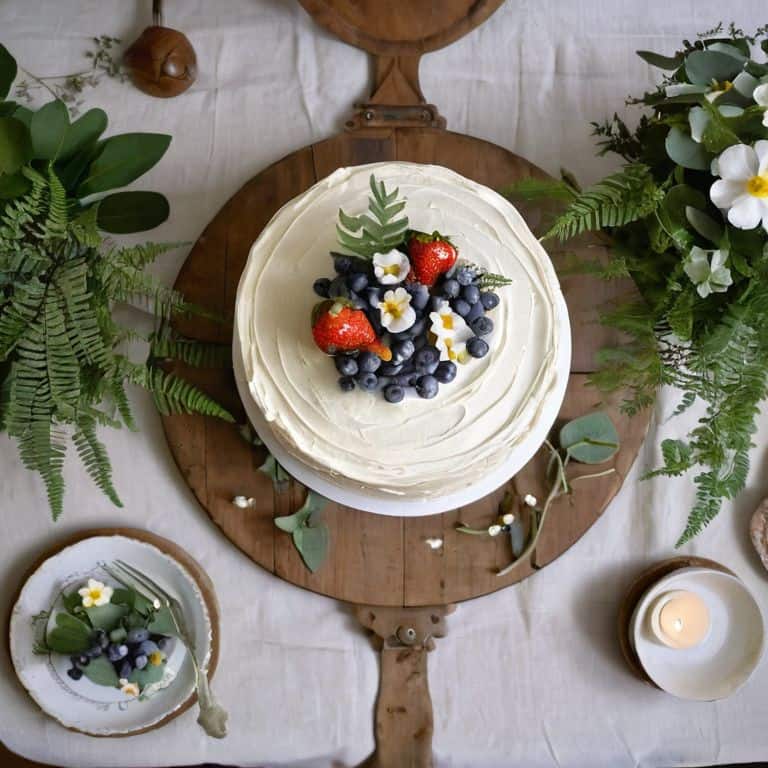
Total Time: 1 hour 45 minutes
Estimated Cost: $15 – $30
Difficulty Level: Easy
Tools Required
- Piping Bag (with small and large tips)
- Spreader (for smoothing frosting)
- Leaf Shaper (optional)
- Flower Cutter (optional)
Supplies & Materials
- Fresh Fruits (such as strawberries, blueberries, or raspberries)
- Edible Flowers (like violas, pansies, or lavender)
- Coconut Flakes (for sprinkling)
- Powdered Sugar (for dusting)
- Natural Food Coloring (for custom colors)
- Fondant (optional)
- Buttercream Frosting (homemade or store-bought)
Step-by-Step Instructions
- 1. To start creating your natural cake decorations, begin by gathering inspiration from the world around you. Take a walk through a botanical garden, or simply observe the shapes and colors of the flowers and leaves in your own backyard. Notice the way the light catches the delicate petals of a flower, and think about how you can replicate that effect on your cake.
- 2. Next, prepare your cake by applying a thin layer of buttercream or frosting to the surface. This will serve as the base for your decorations, and give you a smooth surface to work with. When applying the buttercream, use a gentle touch to avoid creating air pockets or unevenness.
- 3. Now it’s time to create your natural decorations. Start by making a sugar syrup, which will be used to attach your decorations to the cake. To make the syrup, combine equal parts water and granulated sugar in a small saucepan, and heat the mixture over low heat until the sugar has dissolved.
- 4. While the syrup is cooling, you can start preparing your decorations. For a beautiful, organic look, try using fresh flowers or leaves to create intricate designs on your cake. Simply place the flowers or leaves on the cake, and use a small brush to apply a tiny amount of sugar syrup to the back of each one, attaching them to the cake.
- 5. To add some extra dimension to your cake, try creating sugar flowers in various shapes and sizes. You can use a sugar paste or gum paste to create the flowers, and shape them into delicate petals using a small tool or a toothpick. Once the flowers are dry, you can attach them to the cake using the sugar syrup.
- 6. Another way to add natural beauty to your cake is to use edible images or prints of flowers, leaves, or other designs. You can find these images online, or create your own using a printer and some wafer paper. Simply apply a small amount of sugar syrup to the back of the image, and attach it to the cake.
- 7. Finally, to complete your natural cake decorations, try adding some textural elements to the design. You can use a small amount of buttercream or frosting to create a rough, organic texture on the surface of the cake, or add some sprinkles or nonpareils to give the cake a bit of shine and depth. Whatever you choose, be sure to have fun and experiment with different techniques until you find the look that’s right for you.
Natures Canvas a Guide to Natural Cake Decorations
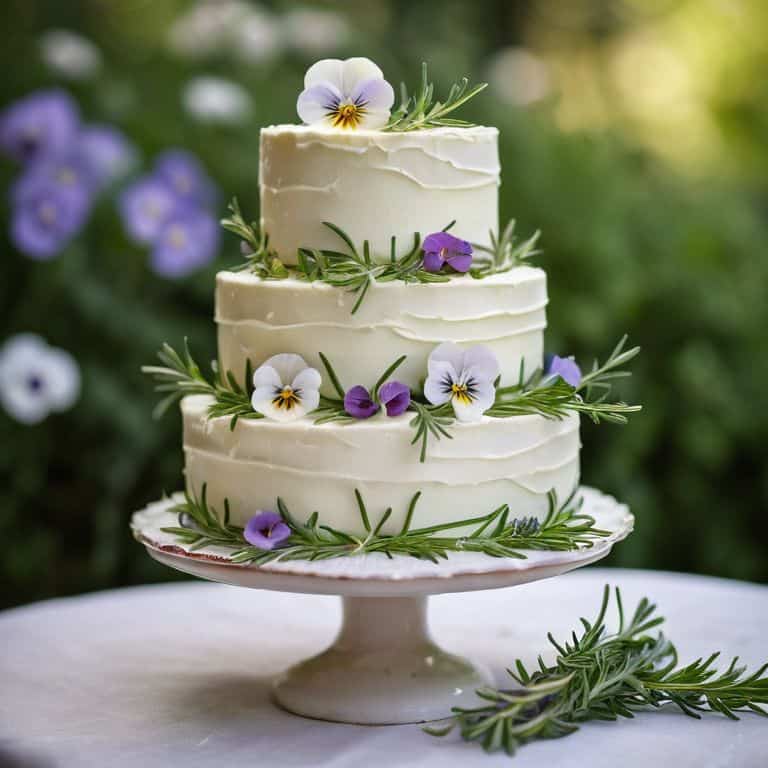
As I delve into the world of natural cake decorations, I find myself drawn to using botanicals in cake design. There’s something truly special about incorporating elements from nature into my creations. Whether it’s a delicate edible flower arrangement or a sprinkling of fresh herbs, these touches can elevate a cake from ordinary to extraordinary.
When it comes to working with natural elements, I always emphasize the importance of balance and restraint. A simple, rustic cake decoration can be just as stunning as an intricate design. By allowing the natural beauty of the ingredients to shine through, we can create cakes that feel authentic and effortless. I also love experimenting with herb infused cake recipes, which add a unique depth of flavor to my creations.
To take your natural cake decorations to the next level, consider playing with seasonal fruit cake toppings. Not only do these add a pop of color and freshness, but they also provide a beautiful way to connect with the changing seasons. By embracing the natural world and all its beauty, we can create cakes that are truly one-of-a-kind. With a little practice and patience, you’ll be well on your way to crafting naturally stunning cakes that will leave everyone in awe.
Petals to Perfection Using Botanicals in Cake Design
As I wander through botanical gardens, I’m constantly inspired by the intricate details of flowers and leaves. I love incorporating these natural elements into my cake designs, using edible flowers, leaves, and branches to create stunning, organic looks. One of my favorite techniques is using delicate petals to create intricate patterns and designs on my cakes. With a little patience and practice, you can achieve this effortless, whimsical look too.
To get started, simply select your favorite edible flowers or leaves and gently place them onto your cake, arranging them in a way that feels organic and spontaneous. You can use a dab of buttercream or piping gel to secure them, if needed. Remember, the key is to keep it simple and let the natural beauty of the botanicals shine through.
Seasonal Splendor Rustic Cake Decoration With Herb Infused Recipes
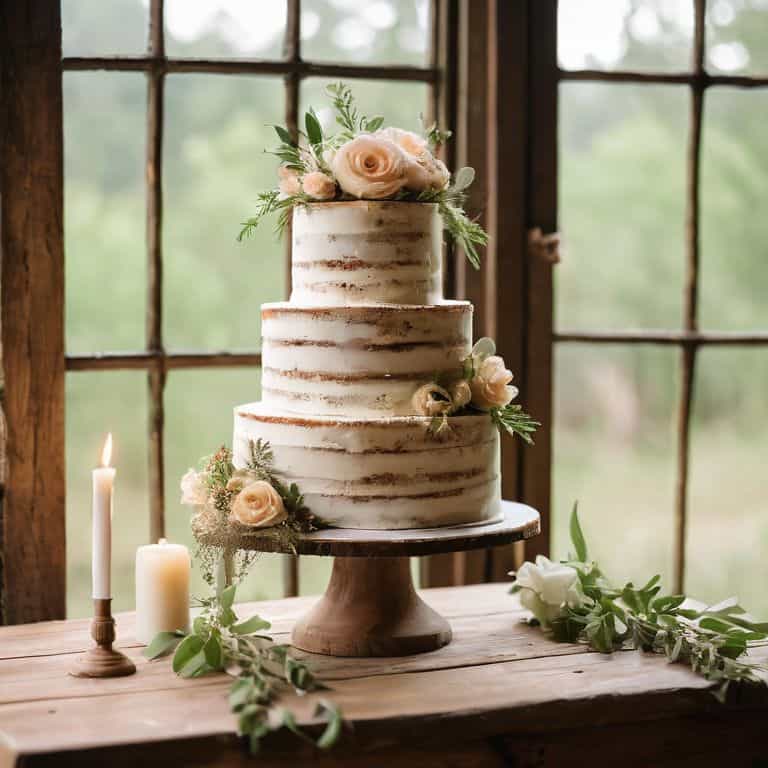
As I wander through the botanical gardens, I’m inspired by the vibrant herbs and their potential in cake design. Infusing herbs into my recipes adds a depth of flavor and aroma that’s simply captivating. For a rustic, seasonal look, I love incorporating herbs like rosemary, thyme, and lavender into my buttercream and cake batter. The result is a moist, fragrant cake that’s almost too beautiful to eat. To enhance the natural beauty of the herbs, I pair them with earthy elements like burlap, twine, and wooden cake stands, creating a charming, organic aesthetic that’s perfect for any time of year.
Bringing the Outdoors In: 5 Essential Tips for Natural Cake Decorations
- Embrace Imperfection: Allow your decorations to reflect the organic, effortless beauty of nature by embracing subtle imperfections and unique textures
- Botanical Balance: Strike a balance between vibrant botanicals and clean, modern design elements to create visually stunning cakes that feel both wild and refined
- Play with Petals: Experiment with delicate, sugar-crafted petals in soft hues to add a touch of whimsy and romance to your cake designs
- Nature’s Neutral Palette: Draw inspiration from the earthy tones of the natural world, incorporating shades of green, beige, and blue to create a soothing, organic color scheme
- Seasonal Storytelling: Let the changing seasons guide your decoration choices, incorporating fresh herbs, edible flowers, and other seasonal elements to tell a story and evoke a sense of time and place
Bringing it All Together: 3 Key Takeaways
Embracing nature’s beauty in cake decoration can elevate your designs from simple to breathtaking, allowing you to create truly unique and memorable cakes
By incorporating elements like petals, leaves, and herbs into your cake designs, you can add an organic, effortless touch that reflects the beauty of the natural world
Whether you’re a beginner or an experienced cake artist, experimenting with natural cake decorations can help you develop your own distinctive style and voice, making your creations stand out in a world of traditional cake designs
Embracing the Beauty of Nature
As we weave natural elements into our cake designs, we not only create stunning works of art, but we also invite the serenity and wonder of the outdoors to be a part of our celebrations, reminding us that beauty is always in bloom, if we only take the time to notice.
Chloé Dubois
Embracing the Beauty of Nature in Cake Design
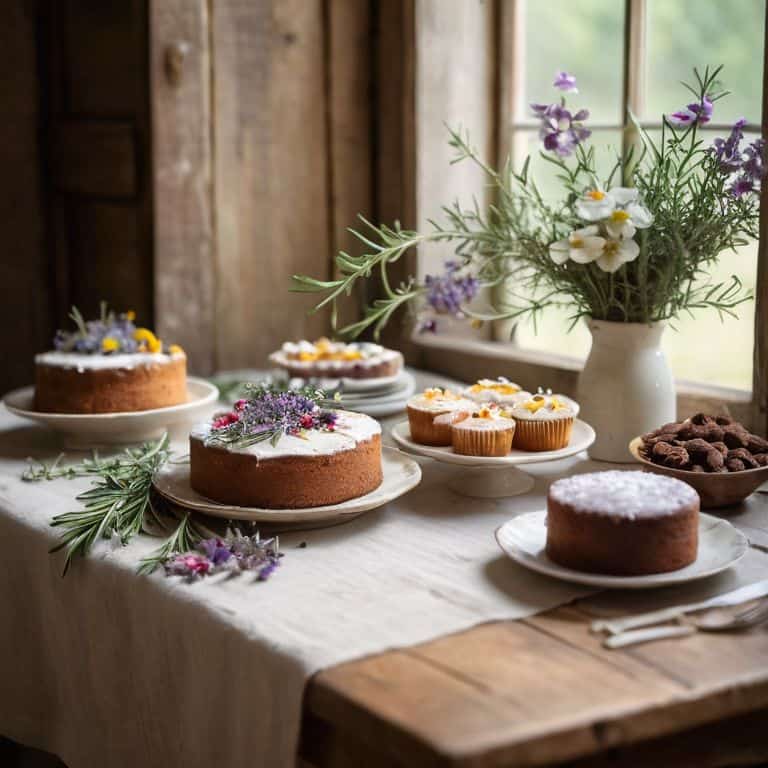
As we conclude our journey through the world of natural cake decorations, let’s reflect on the key elements that make this style so unique and captivating. From using botanicals in cake design to incorporating herb infused recipes, we’ve explored the various ways to bring the outdoors in and create truly show-stopping cakes. By embracing the imperfections of nature, we can add a touch of elegance and sophistication to our baked goods, making them perfect for any occasion. Whether you’re a seasoned baker or just starting out, the art of natural cake decoration is an accessible and rewarding pursuit that allows you to express your creativity and connect with the world around you.
As you continue to experiment with natural cake decorations, remember that the true beauty of this art form lies in its ability to evolve and adapt. Don’t be afraid to try new things, to experiment with different flavors and ingredients, and to push the boundaries of what’s possible with cake design. With patience, practice, and a willingness to take risks, you’ll be creating stunning, one-of-a-kind cakes that are almost too beautiful to eat. So go ahead, get creative, and let the beauty of nature inspire your next baking project – your taste buds and your sense of style will thank you!
Frequently Asked Questions
How can I ensure the freshness and safety of using real botanicals in my cake decorations?
To ensure freshness and safety, I always choose organic, pesticide-free botanicals and gently clean them with a damp cloth before use. I also recommend using edible flowers and herbs, and storing them in a cool, dry place to preserve their delicate beauty and prevent spoilage.
What are some tips for pairing natural decorations with the right cake flavors and textures?
To perfectly pair natural decorations with cake flavors and textures, consider the delicate balance of elements. For example, a lightly sweetened genoise pairs beautifully with the subtle flavor of edible flowers, while a rich, mocha cake is elevated by the earthy undertones of herb-infused buttercream and a sprinkle of fresh rosemary.
Can I use artificial or edible images of natural elements to achieve a similar look to real botanicals in my cake designs?
While artificial or edible images can mimic the look of botanicals, I adore incorporating real elements for their organic texture and depth. That being said, high-quality, edible images or artificial decorations can be a wonderful alternative, especially for those with limited access to fresh flowers or herbs.