As I sit in my bespoke cake studio, surrounded by the sweet aroma of butter and sugar, I often find myself pondering the age-old question: what is the difference between a croissant and a brioche? It’s a topic that has sparked debate among pastry enthusiasts, with some claiming that the distinction lies in the intricacies of layered dough, while others argue that it’s all about the type of flour used. But, in my opinion, the real difference is not just about the ingredients or the technique, but about the je ne sais quoi that sets these two delicate pastries apart.
In this article, I promise to cut through the noise and provide you with a no-nonsense guide to understanding the fundamentals of croissants and brioche. With my background in pastry arts, having trained under a renowned pastry chef in Paris and worked in Michelin-starred restaurants, I’ll share my personal experiences and expert insights to help you grasp the nuances of these French delicacies. Whether you’re a seasoned baker or a curious beginner, I invite you to join me on this journey to uncover the secrets of what is the difference between a croissant and a brioche, and to discover the beauty of creating these delicious treats in your own kitchen.
Table of Contents
Mastering Laminating Dough
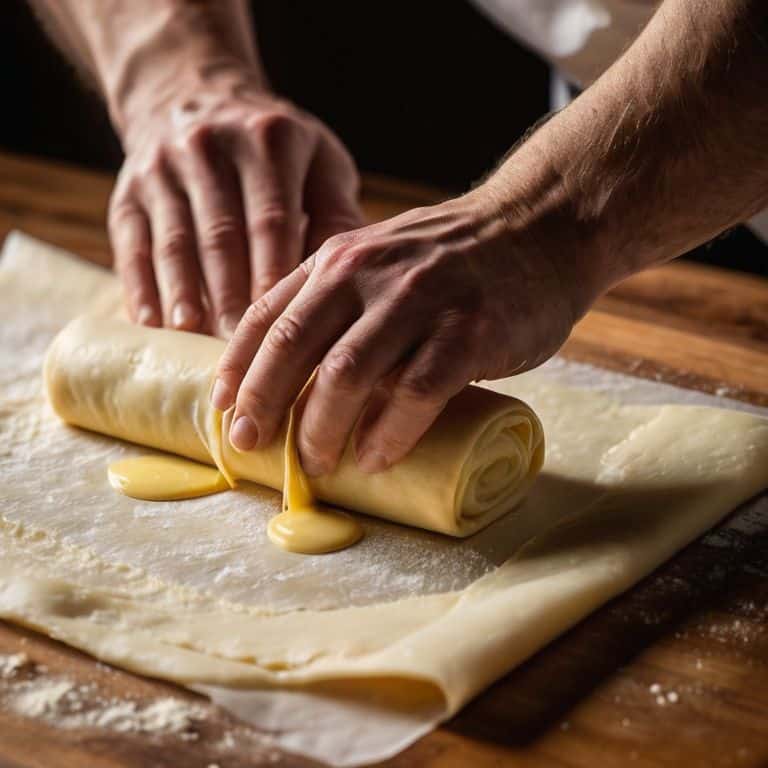
To truly understand the essence of croissants and brioche, one must delve into the art of laminating dough techniques. This intricate process involves layering dough and fat (in this case, high-quality butter) to create the signature flaky texture of croissants. The key to successful lamination lies in maintaining a consistent temperature and gentle handling to prevent the butter from melting or the dough from becoming too tense. As I always say, a good pastry is all about balance, and this balance is crucial in achieving the perfect layers.
The yeast fermentation process also plays a significant role in the development of these pastries. In brioche, a longer fermentation time contributes to its rich, tender crumb, while croissants rely on a shorter fermentation to preserve their delicate layers. Understanding how to control this process is vital in creating authentic French pastry. I recall my days training under a renowned pastry chef in Paris, where the emphasis was on mastering the butter content in pastries to bring out the full flavor and texture of each delicate layer.
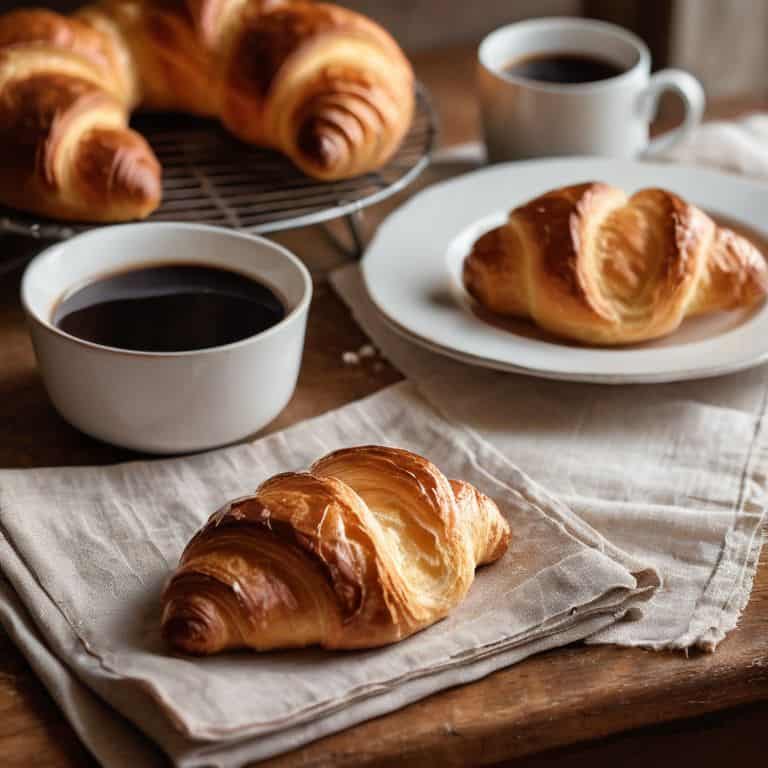
When working with layered dough recipes, it’s essential to consider the pastry texture comparison between croissants and brioche. The former should yield a crispy, golden exterior giving way to soft, airy layers, while the latter should be tender and moist, with a subtle sheen. Achieving these distinct textures requires patience, practice, and a deep understanding of the interplay between ingredients, time, and temperature.
Butter Content Secrets in Pastries
When it comes to crafting exquisite pastries, the butter content is a crucial element that can make or break the final product. As a pastry chef, I can attest that the quality and quantity of butter used in a recipe can significantly impact the texture, flavor, and overall appearance of the pastry.
To achieve the perfect flaky layers, it’s essential to understand the role of butter in the laminating process. I always look for high-quality butter with a high fat content, as it helps to create a tender and delicate crumb, while also contributing to the pastry’s rich flavor and aroma.
Yeast Fermentation Process Explained
As I delve into the yeast fermentation process, I’m reminded of the delicate balance that must be struck to achieve the perfect rise. Yeast fermentation is a crucial step in creating both croissants and brioche, as it allows the dough to develop its signature texture and flavor.
The microbial magic of yeast fermentation is what sets these pastries apart from others, as it breaks down sugars and produces carbon dioxide, causing the dough to rise. By controlling factors such as temperature, yeast quantity, and fermentation time, I can coax the dough into producing the desired texture and flavor, whether it’s the flaky layers of a croissant or the tender crumb of a brioche.
What Is the Difference Between
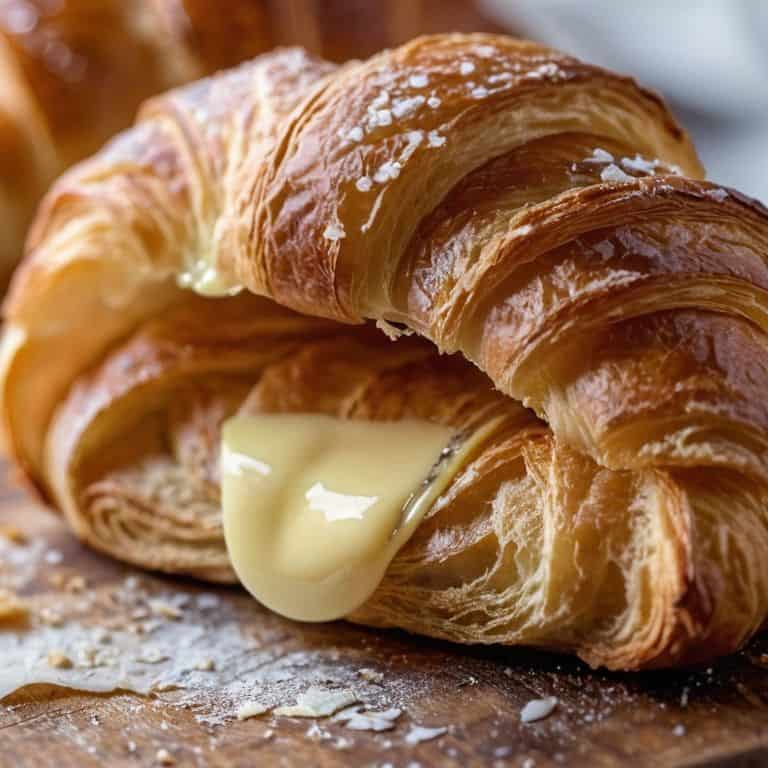
As I delve into the world of French pastries, I find myself fascinated by the laminating dough techniques that set croissants and brioche apart. The process of layering butter and dough is an art form, requiring precision and patience to achieve the perfect flaky, tender texture. In croissants, the butter content is higher, which contributes to their characteristic layered structure and golden brown color.
When it comes to yeast fermentation, brioche takes the lead with its richer, more dense texture. The yeast fermentation process is longer and more intricate in brioche, resulting in a deeper, more complex flavor profile. This is due in part to the higher egg and sugar content in brioche, which feeds the yeast and produces a more pronounced fermentation.
In comparison, croissants have a lighter, airier texture, thanks to the layered dough recipes that allow for a more delicate balance of butter and dough. The pastry texture comparison between croissants and brioche is a fascinating study in contrasts, with each pastry showcasing its unique characteristics and requirements. By understanding these differences, we can better appreciate the art of French pastry-making and strive to create our own masterpieces.
Croissant vs Brioche French Pastry
As I delve into the world of French pastry, I find myself enchanted by the intricate layers that define both croissants and brioche. The delicate dance of butter and dough, the precision of folding and rolling, all culminate in a culinary masterpiece that is at once both delicate and rich.
At the heart of this pastry paradise lies the laminating process, a technique that requires patience, skill, and a deep understanding of the interplay between ingredients and temperature. Whether crafting a flaky croissant or a tender brioche, this process is the foundation upon which all else is built, and its mastery is the key to unlocking truly exceptional pastries.
Pastry Texture Comparison Revealed
As I delve into the world of croissants and brioche, I’m reminded of the importance of texture in defining these pastries. The layers of butter and dough in a croissant create a delicate, flaky texture that is both crispy and tender. In contrast, brioche has a richer, more dense texture due to its higher egg and butter content.
The texture of these pastries is also influenced by the yeast fermentation process, which affects the air pockets and overall consistency of the final product. When biting into a perfectly baked croissant, the crunch of the outside gives way to a soft, airy interior, while brioche offers a more indulgent, almost cake-like experience.
Unraveling the Distinctions: 5 Essential Tips to Differentiate Croissants and Brioche
- Understand the fundamental difference in dough composition, where croissants rely heavily on layered butter and dough (laminating) for their flaky texture, while brioche uses a richer, egg-based dough for its tender crumb
- Recognize the role of yeast fermentation, as both pastries utilize yeast but in distinct ways: croissants undergo a longer, slower fermentation to develop their signature layers, whereas brioche has a shorter fermentation time, contributing to its denser, moister texture
- Appreciate the impact of butter content, as croissants typically contain a higher proportion of butter compared to flour, which is crucial for their flaky, crispy texture, while brioche, although rich, balances its butter content with eggs to achieve a softer, more bread-like consistency
- Note the contrast in texture and appearance, where croissants are known for their golden, flaky layers and light, airy interior, in contrast to the soft, golden crust and dense, tender interior of brioche
- Experiment with the unique applications of each pastry, as croissants lend themselves beautifully to breakfast or snack items, either plain or filled, while brioche is often used as a base for more elaborate desserts or savory dishes, highlighting its versatility and richness
Essential Insights: Croissants and Brioche
As we’ve explored the intricacies of laminating dough, mastering the balance of butter content, and understanding the yeast fermentation process, it’s clear that both croissants and brioche require a deep respect for technique and quality ingredients.
The texture comparison between these two French pastries reveals distinct characteristics: croissants boast flaky, airy layers, while brioche is renowned for its rich, tender crumb, highlighting the importance of precision in ingredient ratios and mixing methods.
By grasping these fundamental differences and applying the principles of pastry art, home bakers can elevate their creations, whether crafting delicate croissants or majestic brioche, and in doing so, unlock the full potential of their own edible masterpieces.
The Essence of French Pastry
The difference between a croissant and a brioche lies not just in their ingredients or textures, but in the very soul of their creation – a croissant is a masterclass in delicate layers and precision, while a brioche is a rich, velvety ode to the beauty of indulgence.
Alison Lawson
The Art of Distinction: Croissants and Brioche
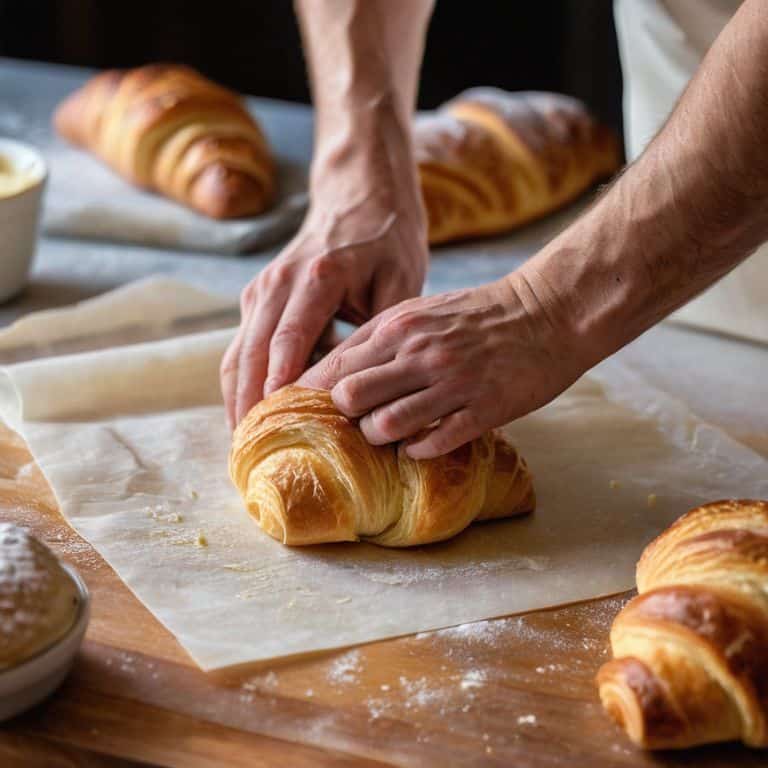
As we’ve explored the fascinating world of croissants and brioche, it’s become clear that the difference between these two French pastries lies not just in their ingredients, but in the intricate dance of laminating dough and the careful balance of yeast fermentation. From the butter content secrets that elevate a croissant to flaky, golden heights, to the pastry texture comparison that reveals the tender, rich crumb of a brioche, each element plays a crucial role in crafting these edible works of art. Whether you’re a seasoned pastry chef or a budding home baker, understanding these nuances is key to mastering the art of French pastry.
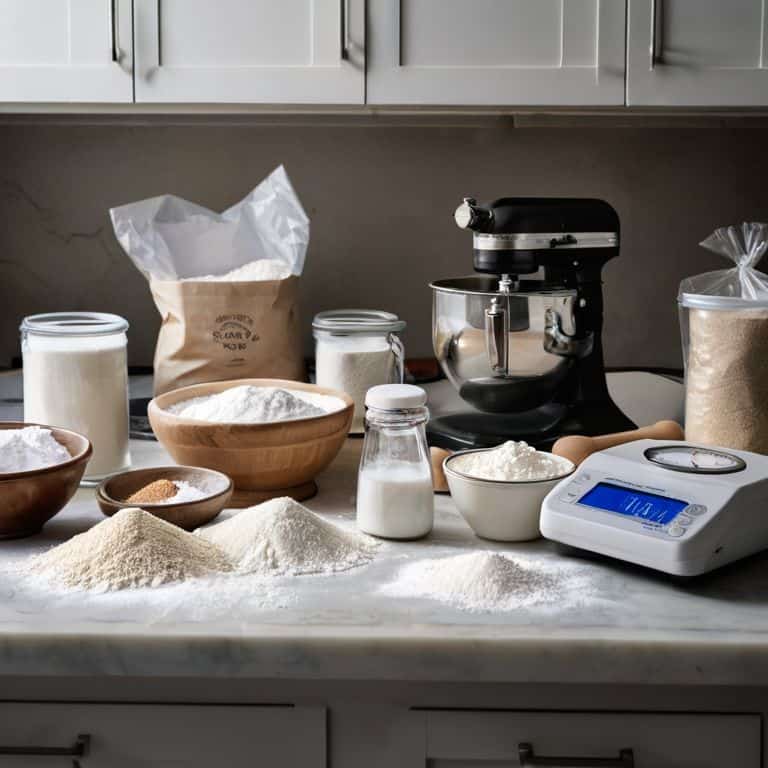
As you embark on your own journey to create these delicious, delicate treats, remember that the true beauty of baking lies not just in the finished product, but in the process itself. The measuring, the mixing, the meticulous folding of dough – each step is an opportunity to elevate the ordinary to the extraordinary. So, don’t be afraid to experiment, to innovate, and to push the boundaries of what’s possible with butter, layers, and love. For in the world of pastry, as in art, the greatest masterpieces are those that inspire, delight, and leave us wanting more.
Frequently Asked Questions
How do the different layering techniques in croissants and brioche affect their final texture and flavor?
The layering techniques in croissants and brioche are what set them apart. Croissants, with their multitude of thin layers, yield a flaky, delicate texture, while brioche’s fewer, thicker layers result in a rich, tender crumb. This difference in lamination affects not only texture, but also flavor, as the layers of butter and dough interact with yeast fermentation to create distinct taste profiles.
What role does the type and amount of yeast play in the rise and overall character of these two pastries?
The type and amount of yeast significantly impact the rise and character of croissants and brioche. I prefer to use high-quality, instant yeast in moderation, as it provides a subtle yet consistent fermentation. In croissants, a smaller amount of yeast allows for a slower, more delicate rise, while brioche requires a bit more to achieve its signature airy texture and rich flavor.
Can the same type of butter be used for both croissants and brioche, or are there specific butter characteristics better suited to each pastry?
While high-quality, European-style butter is ideal for both, I recommend a slightly sweeter, cultured butter for croissants to enhance layering, and a richer, more nuanced butter with a higher fat content for brioche to deepen its tender crumb.