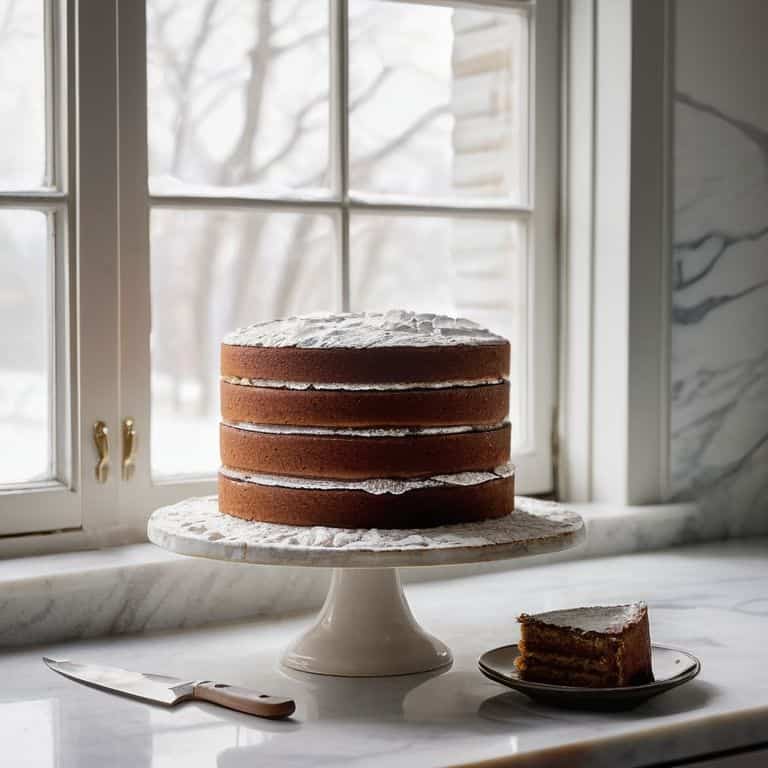
As I stand in my bespoke cake studio, surrounded by the sweet scent of success and the gentle hum of mixers, I’m reminded of the countless times I’ve been asked how to make a layer cake that’s truly show-stopping. The truth is, creating a stunning layer cake is not about following a complicated recipe or relying on gimmicks, but rather about mastering the fundamentals of cake construction. It’s about understanding the alchemy of ingredients, the precision of technique, and the patience required to craft a masterpiece that’s as delicious as it is visually stunning.
In this article, I’ll share my expertise with you, gleaned from years of training at Le Cordon Bleu and working in Michelin-starred restaurants. I’ll guide you through the process of how to make a layer cake, from preparing the perfect batter to stacking and decorating your edible work of art. You’ll learn the essential techniques for creating a stable, level cake, and how to troubleshoot common issues that can make or break your masterpiece. By the end of this journey, you’ll be equipped with the knowledge and confidence to create breathtaking layer cakes that will impress even the most discerning palates.
Table of Contents
Guide Overview: What You'll Need
Total Time: 2 hours 30 minutes
Estimated Cost: $20 – $40
Difficulty Level: Intermediate
Tools Required
- Mixing Bowls (large and small)
- Electric Mixer (stand or handheld)
- Measuring Cups (dry and liquid)
- Measuring Spoons
- Rubber Spatula (for scraping bowl)
- Cake Pans (at least 3, 8 inches in diameter and 2 inches deep)
- Oven (preheated to 350 degrees Fahrenheit)
- Cake Stand (optional, for display)
Supplies & Materials
- All-Purpose Flour (2 3/4 cups)
- Granulated Sugar (2 cups)
- Unsalted Butter (1 cup, softened)
- Large Eggs (at room temperature, 3-4)
- Milk (1 cup)
- Baking Powder (2 teaspoons)
- Salt (1 teaspoon)
- Flavor Extract (optional, e.g., vanilla)
- Frosting (homemade or store-bought, sufficient for 3 layers)
Step-by-Step Instructions
- 1. To begin crafting our layer cake, let’s start with the foundation: preheating our oven to 350°F (180°C) and preparing our pans. I always use high-quality, non-stick pans to ensure our cakes release perfectly. Take the time to grease and flour your pans meticulously, as this step is crucial for achieving a smooth, even release.
- 2. Next, we’ll move on to mixing our cake batter. In a large mixing bowl, combine your dry ingredients, including flour, sugar, and a pinch of salt. I like to use room temperature ingredients, as this ensures a more even distribution of heat and a tender crumb. Whisk these ingredients together until they’re just combined, being careful not to overmix.
- 3. Now, let’s focus on the wet ingredients: in a separate bowl, whisk together eggs, butter, and vanilla extract. I’m particularly passionate about using high-quality vanilla, as it adds a depth of flavor that’s hard to replicate with artificial alternatives. Once your wet ingredients are well combined, slowly pour them into your dry ingredients, mixing until just combined.
- 4. Divide your batter evenly among your prepared pans, smoothing the tops to ensure even baking. I like to use a bench scraper for this step, as it allows me to get into the corners of the pan and create a perfectly smooth surface. Pop your cakes into the oven and bake for 25-30 minutes, or until a toothpick inserted into the center comes out clean.
- 5. While your cakes are baking, let’s prepare our buttercream frosting. In a large mixing bowl, beat together butter and sugar until light and fluffy. I like to use a stand mixer for this step, as it allows me to achieve a smooth, creamy consistency. Add in your vanilla extract and a pinch of salt, mixing until well combined.
- 6. Once your cakes are done, remove them from the oven and let them cool in their pans for 5-10 minutes. Then, transfer them to a wire rack to cool completely. This step is crucial, as it allows the cakes to set and become easier to handle. Don’t be tempted to rush this step – patience is key when it comes to crafting the perfect layer cake.
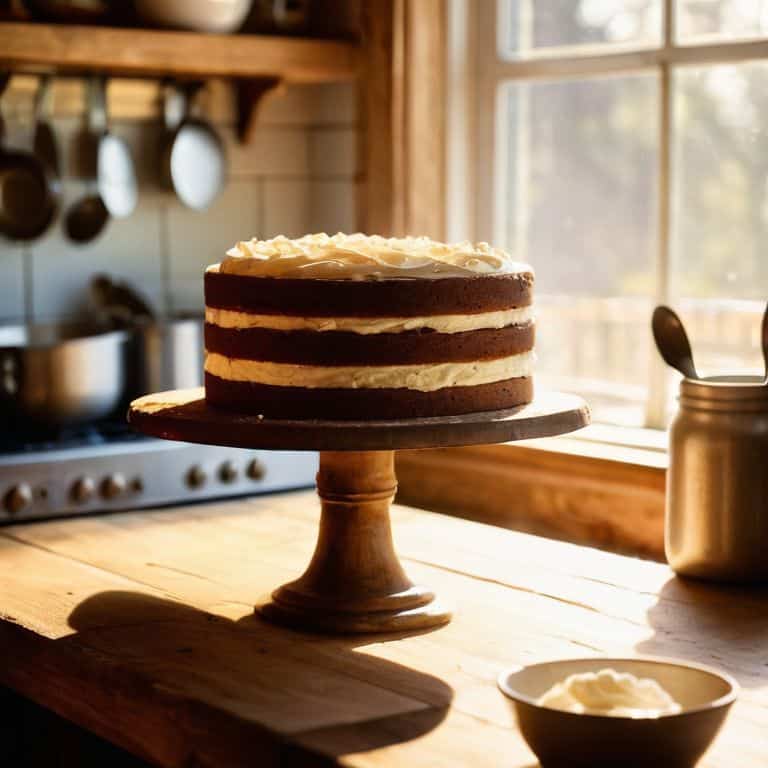
- 7. With our cakes completely cooled, it’s time to start assembling our masterpiece. Place one cake layer on a serving plate or cake stand, and spread a layer of buttercream frosting on top. I like to use an offset spatula for this step, as it allows me to create a smooth, even layer of frosting. Repeat this process with your remaining cake layers, creating a stunning layer cake that’s sure to impress.
Mastering Layer Cake Art
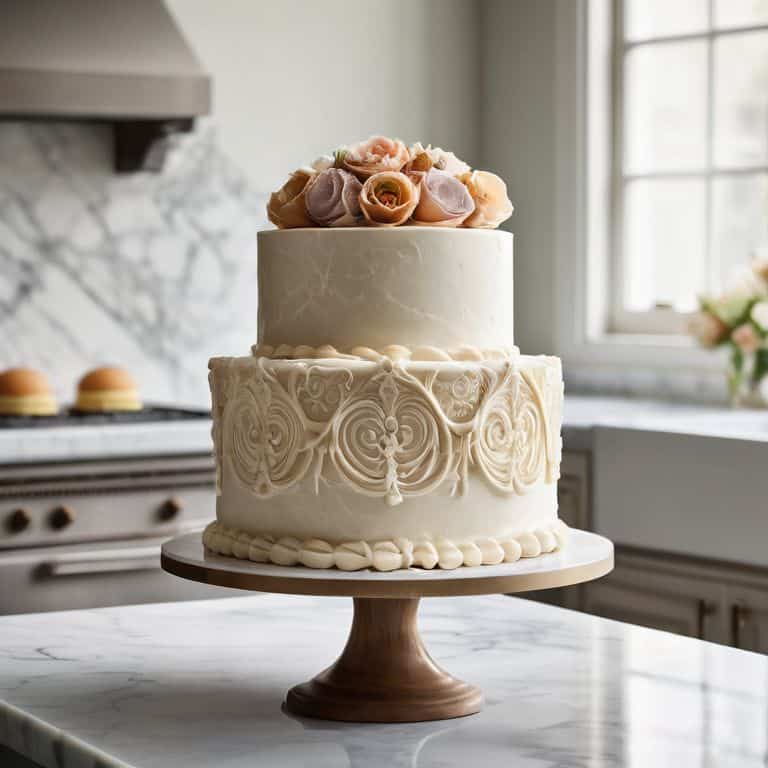
As we dive into the world of layer cake art, it’s essential to consider the finishing touches that elevate your creation from delicious to breathtaking. One of my favorite layer cake decorating ideas is to use a combination of smooth frosting and delicate piping to create a visually stunning exterior. This not only adds an extra layer of flavor but also provides a beautiful canvas for your artistic expression.
When it comes to achieving a flawless finish, tips for leveling cake layers are crucial. A perfectly level cake is the foundation of a stunning layer cake, and it’s essential to invest time in ensuring each layer is even and smooth. By doing so, you’ll be able to showcase your layer cake frosting techniques to their fullest potential, creating a masterpiece that’s almost too beautiful to eat.
To take your layer cake game to the next level, I recommend exploring common layer cake mistakes to avoid, such as overmixing the batter or using low-quality ingredients. By being mindful of these potential pitfalls, you’ll be well on your way to creating a truly exceptional layer cake that’s sure to impress. Whether you’re a beginner looking for best layer cake recipes for beginners or a seasoned pro, the key to success lies in attention to detail and a passion for the craft.
Best Recipes for Beginners
As a pastry chef, I’ve found that the best way for beginners to hone their skills is by working with tried-and-true recipes. My personal favorite for newcomers is a classic vanilla bean cake, paired with a lightly sweetened buttercream frosting. This timeless combination allows budding bakers to focus on developing their technique, from achieving a tender crumb to smoothly frosting the layers. By mastering this fundamental recipe, you’ll be well on your way to creating stunning layer cakes that impress both in taste and presentation.
For those looking to experiment with new flavors, I recommend trying a simple lemon or chocolate variation. These subtle twists on the classic recipe will help you develop your skills in working with different ingredients and flavor profiles, all while maintaining the elegance and sophistication that defines a beautifully crafted layer cake.
Layer Cake Decorating Ideas
As we delve into the realm of layer cake decorating, the possibilities become endless. I adore experimenting with various techniques, from delicate piping to intricate sugar work. One of my favorite methods is the ombre effect, where gradual layers of color blend seamlessly into one another, creating a mesmerizing visual impact. To achieve this, I carefully tint each layer of buttercream with a subtle gradation of hues, resulting in a cake that’s as visually stunning as it is delicious.
For a more whimsical touch, I often incorporate fresh flowers or greenery into my designs. A delicate sprig of rosemary or a sprinkle of edible petals can add a charming, organic feel to an otherwise sleek and modern cake. Whatever your style, remember that decorating is where you can truly let your personality shine – don’t be afraid to get creative and make your cake a masterpiece that’s uniquely yours.
Elevating Your Layer Cake Game: 5 Essential Tips
- Ensure your ingredients are at room temperature, especially your butter and eggs, to guarantee a smooth and even batter
- Select the finest quality vanilla for the most exquisite flavor, and consider investing in high-quality vanilla beans for an added depth of taste
- Master the art of leveling your cakes by using a turntable and a serrated knife to achieve perfectly even layers
- Experiment with unique flavor combinations, such as pairing rich chocolate with subtle orange or lemon notes, to create a truly show-stopping cake
- Never underestimate the power of a well-rested cake: allow your layers to cool completely and set before assembling and decorating to prevent crumbling and ensure a sturdy foundation
Key Takeaways for Elevating Your Layer Cake Game
Mastering the foundation of layer cake construction is crucial, from preparing the perfect batter to stacking and crumb-coating with precision and patience
Embracing your creativity in layer cake decorating can elevate your bakes from simple treats to stunning works of edible art, with endless possibilities for design and expression
Selecting the right recipes and ingredients, especially high-quality butter and vanilla, can make all the difference in the flavor and texture of your final masterpiece, turning each cake into a truly sophisticated dessert experience
The Art of Layer Cake Perfection
A layer cake is not just a dessert, it’s a canvas of creativity, a symphony of flavors, and a testament to the beauty of precision – with every delicate layer, we weave a story of love, passion, and the pursuit of culinary art.
Alison Lawson
Elevating Your Layer Cake Experience
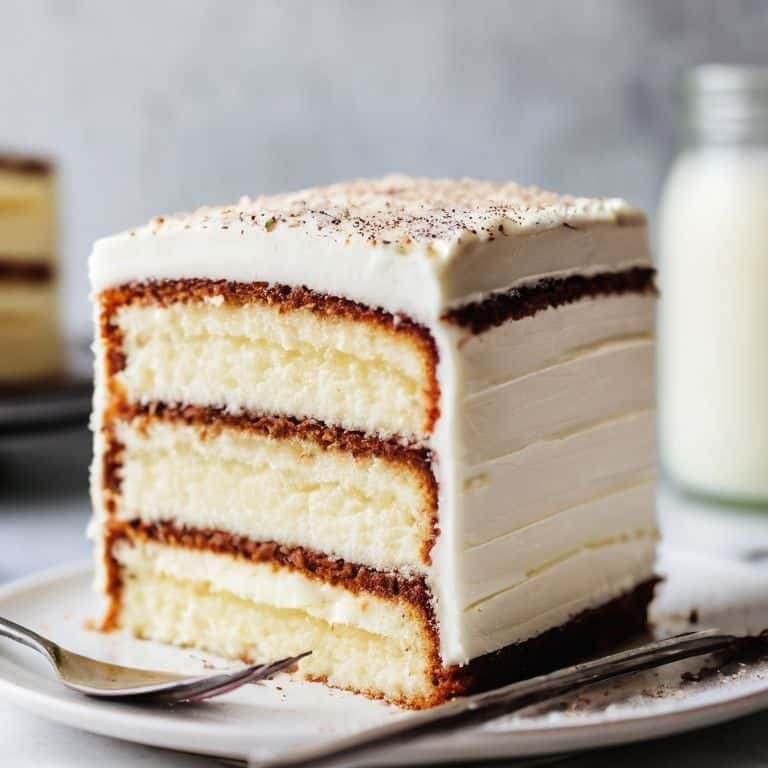
As we conclude our journey through the world of layer cakes, let’s summarize the key takeaways: mastering the art of layer cake construction requires attention to detail, from preparing the perfect batter to stacking and decorating the final masterpiece. We’ve explored the importance of using high-quality ingredients, such as European-style butter and pure vanilla extract, to elevate the flavor and texture of our cakes. By following the step-by-step guide and tips outlined in this article, you’ll be well on your way to creating stunning, delicious layer cakes that impress and delight.
As you continue to hone your skills and experiment with new recipes and decorating techniques, remember that the true magic of baking lies in the creative process. Don’t be afraid to try new things, make mistakes, and push the boundaries of what’s possible with layer cakes. With practice, patience, and a passion for the art of baking, you’ll unlock a world of possibilities and create truly unforgettable culinary masterpieces that inspire and delight all who taste them.
Frequently Asked Questions
What are the most essential tools and equipment I need to have in my kitchen to make a perfect layer cake?
To craft a perfect layer cake, you’ll need a few essential tools: a digital scale, a stand mixer, and a set of round cake pans. Don’t forget a whisk, offset spatula, and a turntable for flawless frosting and decorating. Quality matters, so invest in the best you can afford – it will make all the difference in your baking journey.
How do I ensure that my layer cake is evenly baked and doesn't sink in the middle?
To ensure even baking and prevent sinking, I always check that my oven is at the correct temperature and that I’m not overmixing the batter. I also make sure to not open the oven door during the baking time, as this can cause the cake to sink. A sturdy cake foundation is key, and I achieve this by using high-quality ingredients, like pure vanilla and rich, European-style butter.
What are some common mistakes to avoid when stacking and frosting a layer cake to achieve a smooth, professional finish?
To achieve a smooth, professional finish, beware of uneven cake layers, insufficient crumb coating, and excessive frosting pressure. Ensure each layer is level and evenly baked, then apply a thin crumb coat before final frosting. Frost gently, using long, sweeping motions to prevent air pockets and achieve a flawless finish.