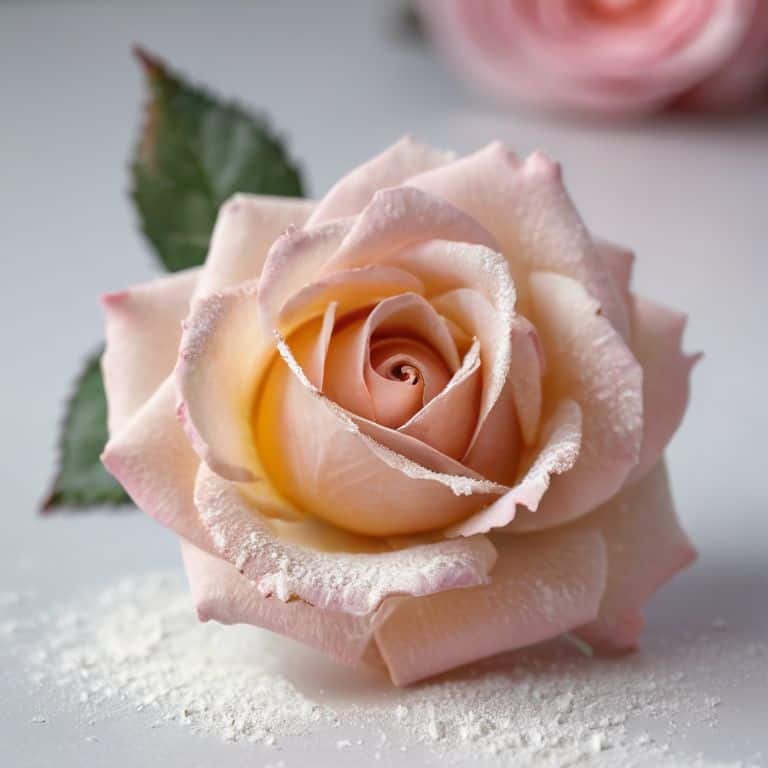
I still remember the first time I tried to create realistic sugar flowers for a cake – I was determined to master the technique, but my attempts at dusting them fell flat. I had heard that how to dust sugar flowers for a realistic look was all about using the right tools and colors, but it wasn’t until I stumbled upon a simple, yet ingenious trick that my sugar flowers truly came to life. It’s a moment that has stuck with me, and one that I’m excited to share with you, as it’s a game-changer for anyone looking to elevate their cake decorating skills.
In this article, I’ll be sharing my honest, no-hype advice on the art of dusting sugar flowers, and I promise you’ll leave with a clear understanding of how to achieve a realistic look that will make your cakes stand out. You’ll learn the essential techniques for dusting sugar flowers, from preparation to finish, and how to avoid common mistakes that can make your flowers look dull or unnatural. By the end of this guide, you’ll be equipped with the knowledge and confidence to create stunning, realistic sugar flowers that will take your cake decorating to the next level.
Table of Contents
Guide Overview: What You'll Need
Total Time: 1 hour 15 minutes
Estimated Cost: $10 – $20
Difficulty Level: Intermediate
Tools Required
- Small, dry, clean brush (for dusting)
- Luster dust or petal dust (in various colors)
- A surface to work on (covered with parchment paper or a silicone mat)
- Tweezers (for handling small sugar flowers)
- A design or pattern to follow (optional)
Supplies & Materials
- Sugar flowers (already made or purchased)
- Confectioners dust or cornstarch (for dusting the work surface)
- Parchment paper or a silicone mat (for protecting the work surface)
- A small, shallow container (for holding the luster or petal dust)
Step-by-Step Instructions
- 1. To start dusting your sugar flowers for a realistic look, you’ll need to gather a few essential tools – a soft-bristled brush, a dusting powder of your choice, and a surface to work on that’s easy to clean. I like to use a large, flat pastry mat to prevent any of the delicate powder from getting lost. Begin by gently sweeping the brush across the surface of the flower to remove any excess sugar or debris that might interfere with the dusting process.
- 2. Next, dip the tip of your brush into the dusting powder, and then gently tap off any excess to avoid over-powdering your flower. You want to achieve a light, even coating that resembles the soft, delicate color of real flower petals. I find that using a light hand is crucial at this stage, as it’s easier to add more powder than it is to remove excess.
- 3. Now, bring the brush to the sugar flower and begin dusting it with light, sweeping motions. Focus on one petal at a time, working from the center of the flower outwards. This helps maintain the flower’s natural shape and prevents the powder from accumulating unevenly. As you dust, pay attention to the texture and color of the petal, adding more or less powder as needed to achieve a realistic appearance.
- 4. To add depth and dimension to your sugar flowers, try layering different shades of dusting powder. Start with a base color that matches the overall hue of the flower, and then use lighter or darker shades to create subtle highlights and lowlights. This technique can help your sugar flowers look more lifelike and interesting, especially when viewed from different angles.
- 5. For a truly realistic finish, consider adding a touch of luster dust to the centers of your sugar flowers. This will give them a soft, shimmering appearance that catches the light, much like the delicate sheen on real flower petals. Apply the luster dust sparingly, using a small brush to paint it onto the desired areas.
- 6. Once you’ve finished dusting your sugar flowers, use a soft, dry brush to gently sweep away any excess powder that may have accumulated on the surface or in the crevices of the petals. This helps prevent the powder from becoming dislodged or smudged when the flowers are handled or displayed.
- 7. Finally, take a step back and evaluate your work, making any necessary adjustments to the color or texture of your sugar flowers. If needed, add more dusting powder or use a small, damp brush to blend and smooth out any areas that look uneven. With a little patience and practice, you should be able to achieve a beautifully realistic, professional-looking finish that will elevate your cakes and pastries to the next level.
Dusting to Perfection
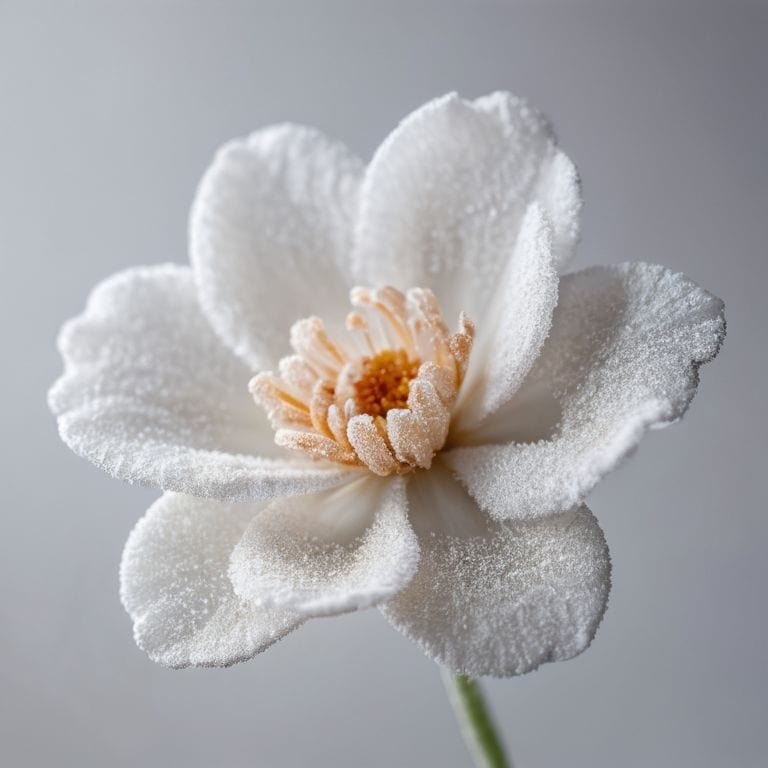
As I delve deeper into the world of sugar flower decoration, I’ve come to realize that sugar flower dusting techniques can make or break the realism of my creations. To achieve that perfect, delicate look, I always start by selecting the right edible dust for my sugar flowers. This is where the magic happens, and my flowers begin to take on a life of their own. With a light touch, I gently dust the petals, making sure to capture the subtle nuances of nature.
When it comes to realistic sugar flower coloring, I believe it’s all about balance and restraint. Too much dust can overpower the entire piece, while too little can leave it looking dull and lifeless. My goal is to create a sense of depth and dimension, drawing the viewer’s eye into the intricate details of each petal. By layering thin coats of dust, I can build up a rich, velvety texture that’s simply irresistible.
To take my sugar flowers to the next level, I love experimenting with creating realistic sugar flower petals. This involves carefully observing the way light falls on real flowers and translating that into my dusting technique. By paying attention to the subtle play of shadows and highlights, I can add a level of sophistication to my arrangements that’s hard to achieve with other decorating methods. Whether I’m crafting a single, statement bloom or a lush, floral bouquet, the right dusting technique can make all the difference.
Mastering Realistic Sugar Flower Dusting
To truly master the art of realistic sugar flower dusting, it’s essential to understand the subtlety of color and texture. I like to think of dusting as adding a whispered promise of realism to my sugar flowers. With a light touch, you can enhance the delicate curves and lines of each petal, making them almost indistinguishable from their natural counterparts. It’s a delicate dance between too little and too much, but with practice, you’ll develop an eye for that perfect balance.
As you work, remember that the goal is to create depth and dimension. Experiment with different dusting powders and techniques to achieve a range of effects, from the soft blush of a rose to the vibrant hue of a sunflower. With every gentle brushstroke, you’re not just adding color – you’re bringing your sugar flowers to life.
Petals That Pop With Color
As I delve deeper into the world of sugar flower dusting, I’m excited to share with you my favorite techniques for adding a pop of color to your petals. With a light touch and the right tools, you can transform your sugar flowers from delicate to dazzling. I adore using soft brushes to gently sweep powdered colors onto the petals, watching as they come alive with a subtle sheen.
By experimenting with different shades and combinations, you can create sugar flowers that not only look realistic but also vibrant and full of life. Whether you’re aiming for soft pastels or bold brights, the key is to have fun and play with the colors until you find the perfect palette for your edible masterpiece.
Bringing Your Blooms to Life: 5 Essential Tips for Dusting Sugar Flowers
- Dust in thin layers, allowing each layer to set before adding more to prevent over-saturation and maintain a soft, natural appearance
- Experiment with different dusting tools, such as small brushes or powder puffs, to achieve varying effects and textures on your sugar flowers
- Pay attention to the color palette of your sugar flowers and the cake they’ll be placed on, selecting dusts that complement and enhance the overall aesthetic
- Consider the type of sugar flower you’re dusting and adjust your technique accordingly – delicate petals may require a lighter touch, while thicker blooms can handle more intense color
- Practice, practice, practice – like any art form, dusting sugar flowers is a skill that develops over time, so don’t be discouraged if your first attempts don’t yield the desired results, keep trying and you’ll soon see your sugar flowers come alive
Key Takeaways for Realistic Sugar Flower Dusting
Dusting sugar flowers with the right tools and techniques can elevate your cake designs from beautiful to breathtaking, with subtle color variations and texture additions making all the difference
Mastering the art of dusting requires patience, practice, and a keen eye for detail, but with these skills, you can create sugar flowers that look like they were plucked straight from nature
By incorporating dusting into your sugar flower decorating routine, you can add depth, dimension, and a touch of realism to your edible masterpieces, making them truly unforgettable
The Art of Realism
Dusting sugar flowers is not just about adding color, it’s about whispering life into every petal, and that’s where the true magic of cake decorating lies.
Chloé Dubois
Bringing Your Sugar Flowers to Life
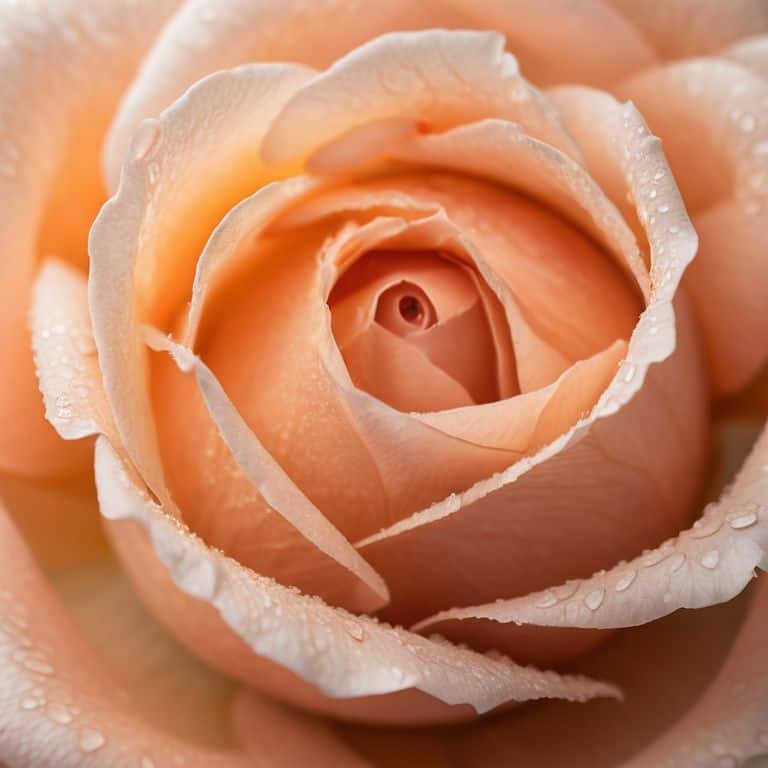
As we’ve explored the art of dusting sugar flowers for a realistic look, remember that the key to achieving petals that pop is in the details. From the initial steps of preparing your sugar flowers to the final touches of mastering realistic sugar flower dusting, each technique builds upon the last to create a truly breathtaking effect. By following the steps outlined in this guide, you’ll be well on your way to crafting sugar flowers that look like they were plucked straight from nature. Whether you’re a seasoned cake artist or just beginning to explore the world of sugarcraft, the art of dusting sugar flowers is sure to elevate your creations to new heights.
As you continue to hone your skills and experiment with different dusting techniques, keep in mind that the true magic happens when you combine patience, practice, and a willingness to try new things. So, don’t be afraid to get creative and try out new color combinations or dusting methods – after all, it’s often the unexpected touches that make a cake truly unforgettable. With time and practice, you’ll find that dusting to perfection becomes second nature, allowing you to focus on the real fun: bringing your unique vision to life, one sugar petal at a time.
Frequently Asked Questions
What type of dust or powder is best to use for achieving a realistic look on sugar flowers?
For a realistic look, I swear by high-quality, food-grade dusts in soft pastel hues. My go-to is a combination of luster and matte powders, which adds depth and dimension to the petals. I also love using petal dusts specifically designed for sugar flowers, as they have a more subtle, natural sheen.
How do I avoid over-dusting or under-dusting my sugar flowers to get the perfect color?
To achieve the perfect hue, I dust my sugar flowers in thin layers, allowing each coat to set before adding more. This technique, which I call ‘layered dusting,’ helps prevent over-dusting and ensures a natural, soft color. It’s all about building up the color gradually, rather than trying to achieve it all at once.
Can I mix different colors of dust to create unique shades and hues for my sugar flowers?
Absolutely, I love experimenting with custom dust blends to create one-of-a-kind shades for my sugar flowers. By mixing different colors, you can achieve unique hues that add an extra layer of realism to your designs. For example, combining a touch of pink with a hint of yellow can create a soft, sun-kissed petal color that’s simply irresistible.