As I sit in my cozy studio, surrounded by half-finished cakes and the soft glow of natural light, I’m reminded of the countless times I’ve heard people say that mastering a guide to buttercream frosting is a daunting task. But I’m here to tell you that it’s not as intimidating as it seems. In fact, with the right techniques and a bit of patience, you can create silky smooth and sensational buttercream frosting that will elevate your baked goods to new heights. I’ve spent years perfecting my craft, and I’m excited to share my knowledge with you through this comprehensive a guide to buttercream frosting.
In this article, I promise to cut through the noise and provide you with honest and practical advice on how to create beautiful buttercream frosting. You’ll learn the essential techniques for achieving a smooth finish, and I’ll share my favorite tips and tricks for adding those perfect, delicate details. Whether you’re a beginner or an experienced baker, my goal is to empower you with the skills and confidence to take your cake decorating to the next level. So, let’s get started on this journey together, and discover the joy of creating stunning buttercream frosting that will make your cakes truly unforgettable.
Table of Contents
- Guide Overview: What You'll Need
- Step-by-Step Instructions
- A Guide to Buttercream Frosting
- Elevate Your Frosting Game: 5 Essential Tips for Silky Buttercream
- Key Takeaways for Silky Smooth Buttercream
- The Art of Buttercream
- Bringing It All Together: Mastering the Art of Buttercream Frosting
- Frequently Asked Questions
Guide Overview: What You'll Need
Total Time: 30 minutes to 1 hour
Estimated Cost: $10 – $20
Difficulty Level: Easy
Tools Required
- Electric Mixer (stand or handheld)
- Measuring Cups
- Measuring Spoons
- Rubber Spatula
Supplies & Materials
- Unsalted Butter (at room temperature)
- Powdered Sugar
- Whole Milk
- Pure Vanilla Extract
Step-by-Step Instructions
- 1. First, let’s start by preparing our ingredients, as having everything ready will make the process much smoother. We’ll need unsalted butter, powdered sugar, milk or cream, and a pinch of salt. I like to use a combination of granulated and powdered sugar for a smoother texture.
- 2. Next, we’ll cream the butter in a large mixing bowl until it’s light and fluffy. This step is crucial, as it sets the foundation for our buttercream. I find that using a stand mixer with a paddle attachment makes this process easier and more efficient, allowing me to achieve a fluffy consistency.
- 3. Now, it’s time to add the powdered sugar, and I recommend doing this in stages to avoid a cloud of sugar in the air. Start by adding a small amount, mixing well, and then gradually add more until you reach the desired consistency. Don’t forget to add a pinch of salt to balance the sweetness and bring out the flavors.
- 4. With our buttercream starting to take shape, it’s time to add the milk or cream. This is where you can control the consistency, so add it slowly and mix well between each addition. You’re aiming for a smooth and creamy texture that’s perfect for spreading or piping.
- 5. Now that we have our basic buttercream recipe, let’s talk about coloring. If you want to add a pop of color to your design, now’s the time to do it. Use a high-quality food coloring, and start with a small amount, as it’s easier to add more color than it is to remove it.
- 6. Once you’ve achieved the desired color and consistency, it’s time to test the buttercream. Take a small amount and spread it onto a piece of parchment paper or a leftover cake crumb. This will give you an idea of how it will perform when you’re decorating your cake. If it’s too thin, add a bit more powdered sugar; if it’s too thick, add a bit more milk.
- 7. Finally, let’s talk about storage and preparation for decorating. If you’re not using your buttercream immediately, you can store it in an airtight container in the fridge for up to a week. When you’re ready to decorate, simply bring it to room temperature and give it a good mix before using. I like to portion out my buttercream into smaller containers, making it easier to work with and reducing waste.
A Guide to Buttercream Frosting
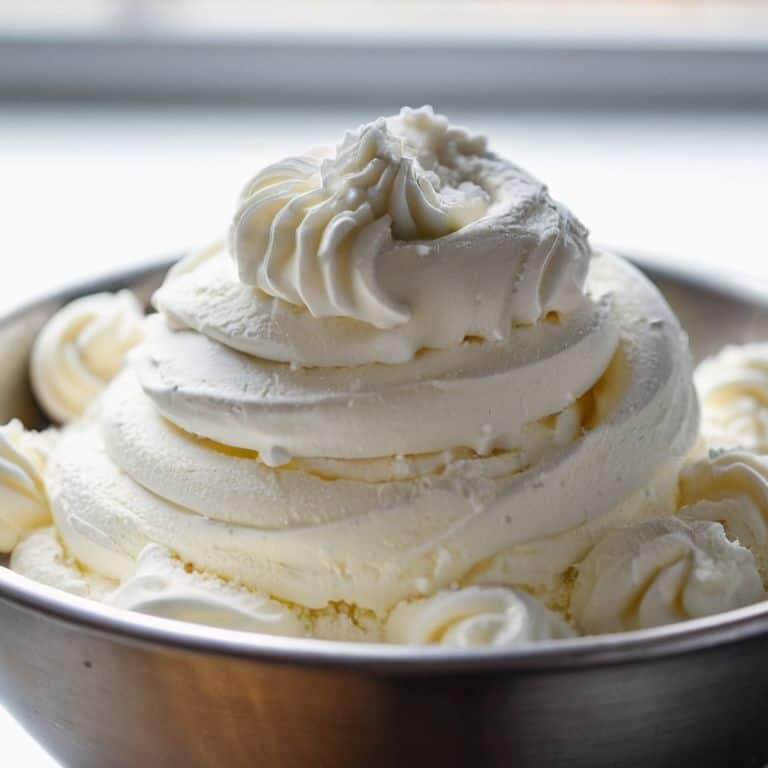
As I always say, the key to mastering buttercream frosting is all about achieving the perfect consistency. You want it to be smooth and silky, but not too thin or too thick. To get it just right, make sure to adjust the ratio of butter to sugar, and don’t be afraid to add a little more powdered sugar if needed. I also like to flavor my buttercream with extracts, like vanilla or almond, to give it an extra boost of flavor.
When it comes to decorating with buttercream, I love using piped borders to add a touch of elegance to my cakes. It’s all about creating a seamless flow of frosting, and I find that using a round tip is perfect for achieving this look. To take your decorating to the next level, try stabilizing your buttercream in warm temperatures by adding a small amount of corn syrup or shortening. This will help prevent it from melting or becoming too soft.
For beginners, I recommend starting with a simple recipe and practicing, practicing, practicing! Don’t be discouraged if your first attempts at buttercream frosting don’t turn out perfectly – it’s all about experimentation and finding what works best for you. Some common mistakes to watch out for include overmixing the frosting, which can lead to a tough or grainy texture, and not using enough frosting to cover the cake. With a little patience and practice, you’ll be creating beautiful, professional-looking cakes in no time.
Avoiding Common Mistakes in Flavoring
When it comes to flavoring your buttercream, it’s all about balance. One of the most common mistakes is over-extracting, which can leave your frosting tasting bitter or soapy. To avoid this, start with a small amount of extract and taste as you go, adding more until you reach your desired flavor. Another mistake is not considering the type of extract you’re using – for example, almond extract can be quite potent, so use it sparingly. By being mindful of your extract usage, you can create a beautifully balanced flavor that complements your cake perfectly.
Buttercream Consistency Tips for Beginners
As a beginner, achieving the perfect buttercream consistency can be a bit tricky, but don’t worry, I’ve got you covered. The key is to remember that buttercream is all about balance – you want it to be smooth and silky, but not too thin or too thick. If it’s too thin, it will be difficult to work with and may not hold its shape, while buttercream that’s too thick can be tough to spread evenly.
To get it just right, try adjusting the consistency by adding small amounts of powdered sugar or cream, and then testing it out on a small area of the cake. This will give you a sense of how it will behave and allow you to make any necessary adjustments before frosting the entire cake.
Elevate Your Frosting Game: 5 Essential Tips for Silky Buttercream
- Start with room temperature ingredients to ensure a smooth and pliable buttercream that’s easier to work with
- Use a combination of cream and milk to achieve the perfect balance of flavor and moisture in your frosting
- Don’t overmix your buttercream, as this can lead to a stiff and separated consistency that’s difficult to repair
- Invest in a high-quality turntable to make decorating a breeze and allow you to showcase your masterpiece from every angle
- Experiment with different flavor extracts and oils to add a unique twist to your buttercream and take your bakes to the next level
Key Takeaways for Silky Smooth Buttercream
I’ve learned that achieving the perfect buttercream consistency is all about balance – not too thin, not too thick – and it’s amazing how a simple trick like adjusting the temperature of your ingredients can make all the difference
Mastering the art of flavoring your buttercream is a game-changer: from classic vanilla to unique combinations like lemon and lavender, the right flavor can elevate your cake from ordinary to extraordinary, and I love experimenting with new flavor profiles in my own baking
Practice, patience, and precision are key to creating stunning buttercream designs – don’t be discouraged if it takes time to get the hang of it, and remember that even the smallest details, like the delicate touch of a sugar petal, can make a world of difference in the overall aesthetic of your cake
The Art of Buttercream
Buttercream frosting is not just a topping, it’s a canvas – every swirl, every texture, and every color tells a story, and with the right techniques, you can write a masterpiece on every cake.
Chloé Dubois
Bringing It All Together: Mastering the Art of Buttercream Frosting
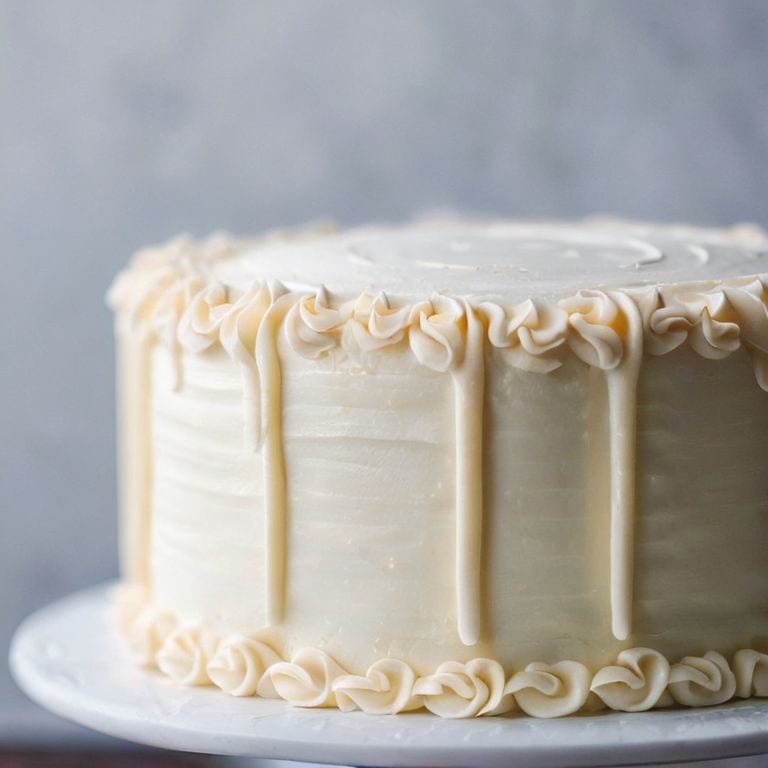
As we conclude this journey through the world of buttercream frosting, let’s take a moment to reflect on the key takeaways. We’ve covered the essential steps to creating a smooth, silky layer of frosting, from preparing the perfect consistency to avoiding common mistakes in flavoring. By following these buttercream consistency tips, you’ll be well on your way to crafting cakes that are almost too beautiful to eat. Remember, the art of buttercream frosting is all about patience, practice, and a willingness to experiment until you find your perfect blend.
Now that you’re equipped with the knowledge and skills to create stunning buttercream masterpieces, I encourage you to unleash your creativity and push the boundaries of what’s possible with this versatile medium. Whether you’re a seasoned baker or just starting out, the world of buttercream frosting is full of endless possibilities, and I’m thrilled to have been a part of your journey. So go ahead, get creative, and make every cake a work of art that’s sure to impress and inspire!
Frequently Asked Questions
What is the ideal temperature for working with buttercream frosting to achieve a smooth finish?
For a silky smooth finish, I find that working with buttercream at room temperature, around 72°F to 75°F, is ideal. This allows the buttercream to be pliable and easy to manipulate, making it perfect for achieving those gorgeous, flawless finishes that make my cakes truly special.
How do I prevent my buttercream frosting from becoming too thin or too thick?
To achieve the perfect consistency, I always say it’s all about balance. If your buttercream is too thin, try adding a small amount of powdered sugar. If it’s too thick, add a tiny bit of liquid, like milk or water, and mix well. Remember, it’s easier to add than to subtract, so start with small adjustments and work your way up.
Can I add flavorings like extracts or oils to my buttercream frosting, and if so, what are some popular options?
Absolutely, darling! You can add flavorings like extracts or oils to your buttercream frosting. Popular options include vanilla, almond, and lemon extracts, as well as peppermint and orange oils. Just remember, a little goes a long way – start with a small amount and taste as you go, adjusting to your liking.