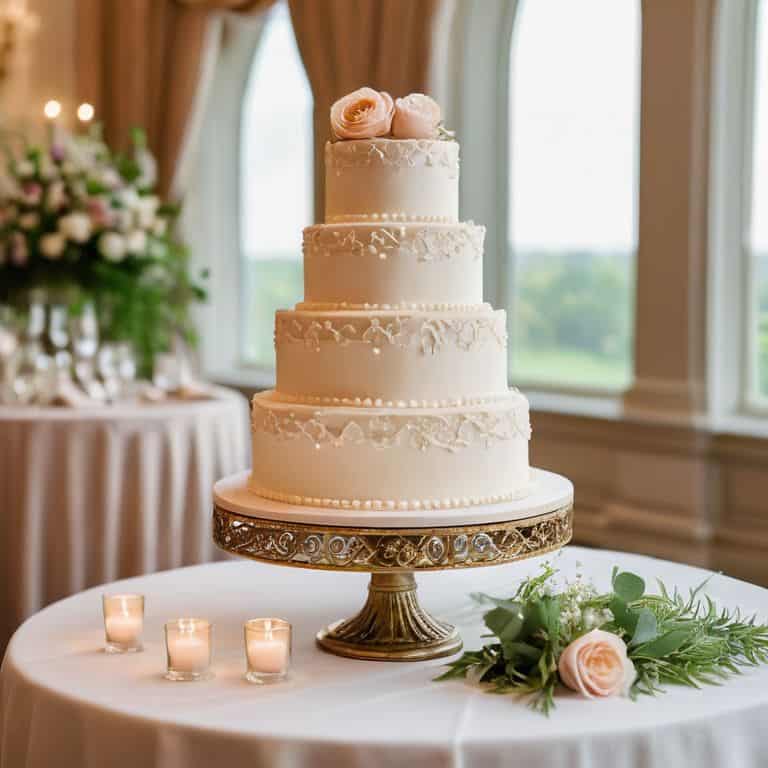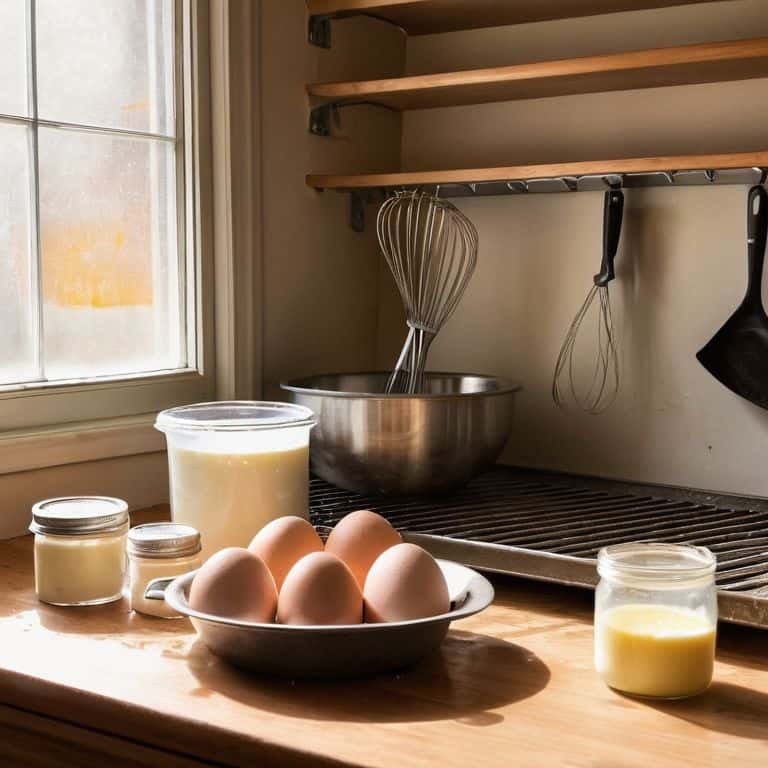
I still remember the first time I stepped into a bakery – the smell of flour, the sound of mixers, and the sight of perfectly baked pastries. It was love at first sight, and I knew right then that I wanted to spend my life mastering a guide to baking techniques. But what I’ve learned over the years is that baking isn’t just about following a recipe, it’s about understanding the science behind it. There’s a common myth that baking is an art, and that you need to have a natural talent for it. But I’m here to tell you that’s just not true – with the right techniques and knowledge, anyone can become a skilled baker.
As we dive into this guide to baking techniques, I want to assure you that you’ll be getting practical, honest advice that will help you improve your baking skills. We’ll cover the fundamentals of baking, from measuring ingredients to understanding the role of gluten, and I’ll share some of my favorite tips and tricks that I’ve learned over the years. My goal is to empower you with the knowledge and confidence to bake anything you want, from simple breads to intricate pastries. So, let’s get started on this journey together, and I promise you’ll be baking like a pro in no time. With this guide, you’ll have the foundation you need to take your baking to the next level and make delicious treats that will impress anyone.
Table of Contents
Guide Overview: What You'll Need
Total Time: 2 hours 30 minutes
Estimated Cost: $20 – $50
Difficulty Level: Intermediate
Tools Required
- Mixing Bowls Stainless steel or glass
- Measuring Cups Dry and liquid
- Electric Mixer Stand or handheld
- Whisk Balloon or flat
- Rubber Spatula Heat-resistant
Supplies & Materials
- All-purpose Flour 2 pounds
- Baking Powder 1 packet
- Baking Soda 1 packet
- Salt 1 teaspoon
- Granulated Sugar 1 cup
- Unsalted Butter 1 cup, softened
- Large Eggs 4 eggs, room temperature
- Milk 1 cup, whole or low-fat
Step-by-Step Instructions
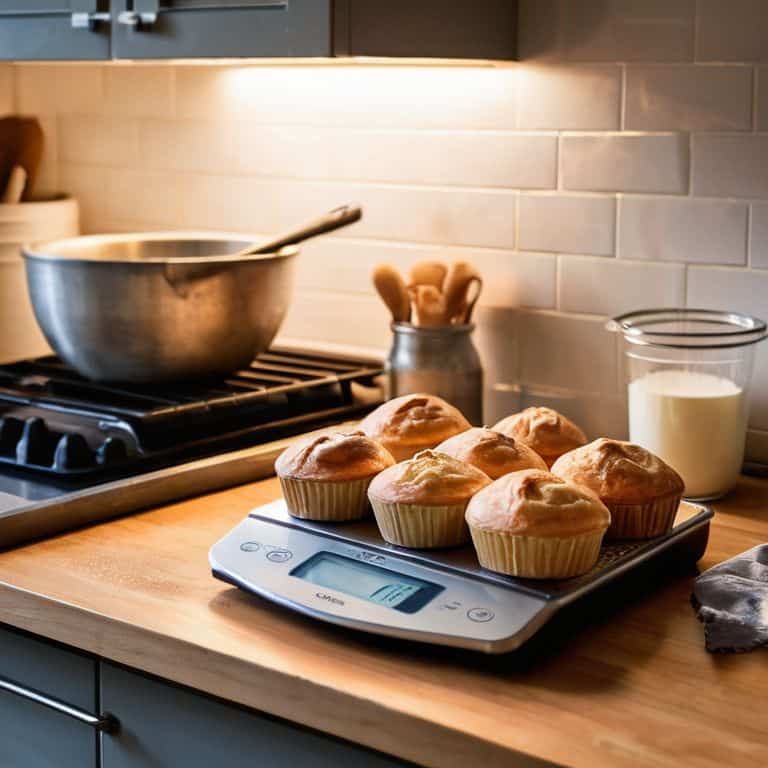
- 1. First, let’s start with the foundation of baking: understanding the importance of measuring ingredients accurately. I always say that baking is 90% science and 10% magic, and this is where the science comes in. To ensure your baked goods turn out light and fluffy, you’ll need to invest in a digital kitchen scale. This will allow you to measure ingredients with precision, which is essential for achieving consistent results.
- 2. Next, let’s talk about the art of * creaming butter and sugar*. This is a crucial step in many baking recipes, as it helps to incorporate air and create a smooth, even texture. To do this, you’ll need to use room temperature butter and granulated sugar. Start by beating the butter with an electric mixer until it’s light and fluffy, then gradually add the sugar, beating continuously until the mixture is smooth and creamy.
- 3. Now that we have our butter and sugar mixture, it’s time to add eggs one at a time. This is an important step, as it helps to ensure that the eggs are fully incorporated into the mixture. Make sure to beat the mixture well after each egg is added, and don’t overbeat, as this can lead to a dense or tough final product.
- 4. With our wet ingredients mixed, it’s time to sift and whisk our dry ingredients. This includes flour, baking powder, and any other dry ingredients called for in the recipe. Sifting helps to remove any lumps and aerate the ingredients, while whisking ensures that they’re evenly mixed.
- 5. Now it’s time to combine our wet and dry ingredients. This is often the most critical step in the baking process, as it’s easy to overmix and end up with a tough or dense final product. To avoid this, mix the wet and dry ingredients together just until they’re combined, then stop mixing. Don’t overmix, as this can lead to a number of problems, including a dense or tough final product.
- 6. Next, let’s talk about the importance of temperature and timing in baking. This includes not only the temperature of your oven, but also the temperature of your ingredients. Make sure to use room temperature ingredients, and invest in an oven thermometer to ensure that your oven is at the correct temperature. This will help to ensure that your baked goods cook evenly and are done to perfection.
- 7. Finally, let’s talk about the art of patience in baking. This includes not only waiting for your baked goods to cook, but also allowing them to cool completely before serving. This can be one of the hardest parts of baking, but it’s essential for achieving the best results. By waiting for your baked goods to cool, you’ll help to ensure that they’re moist and flavorful, and that they retain their texture and structure.
A Guide to Baking Techniques
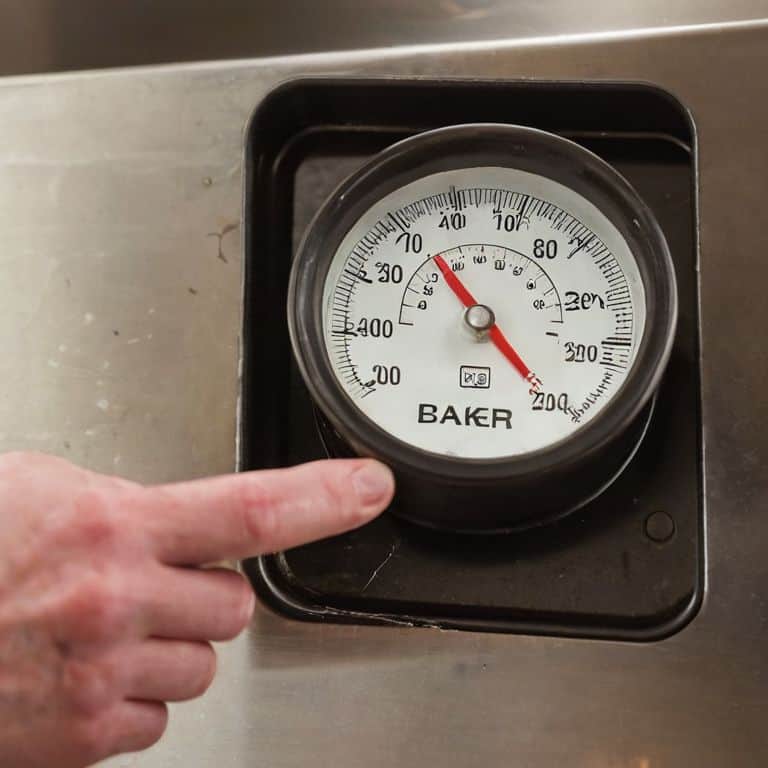
As you delve deeper into the world of baking, it’s essential to understand the importance of precision temperature control. This is particularly crucial when working with yeast, as even a slight deviation in temperature can affect the fermentation process. To ensure consistent results, invest in a reliable oven thermometer and make it a habit to check the temperature regularly.
When it comes to decorating your baked goods, advanced cake decorating techniques can elevate your creations from simple to stunning. From intricate piping designs to delicate sugar work, the possibilities are endless. However, mastering these techniques requires patience, practice, and a steady hand. Start by experimenting with simple designs and gradually move on to more complex ones.
To take your baking to the next level, it’s crucial to understand the science behind yeast fermentation processes. Yeast is a living organism that feeds on sugars, producing carbon dioxide gas as a byproduct. This process is what gives bread its light and airy texture. By understanding how yeast works, you can better control the fermentation process and produce consistent results. Whether you’re a beginner or an experienced baker, mastering the art of yeast fermentation will open up a world of possibilities in the kitchen.
Mastering Precision Temperature Control
To master precision temperature control, you must understand the crucial role it plays in chemical reactions within your bakes. I always say, investing in a good oven thermometer is essential, as it ensures your oven is at the correct temperature. This is vital, especially when working with yeast or making delicate meringues. Even a slight deviation can affect the final product’s texture and consistency.
By maintaining precise temperature control, you’ll be able to reproduce your baking successes consistently. I recommend calibrating your oven regularly and using a thermometer to verify the temperature. This simple step can make all the difference in achieving perfectly baked goods every time.
Unlocking Advanced Cake Decorating Secrets
To take your cakes to the next level, it’s time to unlock advanced decorating secrets. This is where the magic happens, but don’t worry, it’s still rooted in science. Understanding how different ingredients interact and affect the final result is key. For instance, the right ratio of butter to sugar can make all the difference in creating a smooth, pliable frosting.
By mastering techniques like layering, smoothing, and texturing, you’ll be able to create stunning cakes that impress. Remember, practice makes perfect, so don’t be discouraged if it takes a few tries to get the hang of it. With patience and precision, you’ll be crafting beautiful, professional-looking cakes in no time.
Elevate Your Baking: 5 Essential Tips
- Measure ingredients with precision, as this lays the foundation for consistent results and is crucial for mastering baking techniques
- Understand the role of leavening agents, such as baking powder and baking soda, to achieve the perfect rise in your baked goods
- Develop a keen sense of temperature control, recognizing that small variations can significantly impact the final product’s texture and quality
- Learn to appreciate the importance of resting and proofing times, as these steps allow the dough to develop and the yeast to activate, leading to a more complex flavor and better texture
- Experiment with different types of flour and understand their unique properties, such as protein content and absorption rates, to tailor your recipes to specific baking goals and techniques
Key Takeaways for Mastering Baking Techniques
Baking is a science that requires precision and understanding of chemical reactions to produce consistent results, so it’s essential to measure ingredients accurately and control temperature and humidity
Developing fundamental skills such as creaming, whisking, and folding are crucial for achieving the right texture and structure in baked goods, and practice is key to mastering these techniques
By understanding the ‘why’ behind each step of the baking process, from the role of leavening agents to the importance of resting dough, home bakers can troubleshoot common issues and adapt recipes with confidence
The Heart of Baking
Baking isn’t about following a recipe, it’s about understanding the chemistry that unfolds in your mixing bowl – with every measured ingredient and deliberate fold, you’re not just baking, you’re creating a masterpiece of science and love.
Beatrice Quinn
Bringing it all Together: Mastering the Art of Baking
As we conclude this guide to baking techniques, it’s essential to remember that precision and patience are key to unlocking the secrets of the baking world. We’ve covered the fundamentals of baking, from the importance of measuring ingredients accurately to the art of mastering precision temperature control. By understanding the science behind baking, you’ll be able to troubleshoot common issues and create beautiful, delicious treats that impress friends and family alike. Whether you’re a beginner or an experienced baker, it’s crucial to stay curious and keep experimenting with new recipes and techniques.
As you continue on your baking journey, remember that the true magic happens when you combine technique and creativity. Don’t be afraid to try new things, make mistakes, and learn from them. With practice and dedication, you’ll develop the skills and confidence to tackle even the most complex baking projects. So, go ahead, get baking, and remember that the most important ingredient in any recipe is love – love for the craft, love for the process, and love for the joy of sharing your creations with others.
Frequently Asked Questions
What are the most common mistakes to avoid when following a baking technique?
When following a baking technique, common mistakes to avoid include not weighing ingredients, overmixing batter, and ignoring temperature control. These errors can lead to inconsistent textures and flavors. By being mindful of these pitfalls, you’ll be better equipped to troubleshoot and achieve baking success.
How do I know if I've achieved the right consistency or texture in my baked goods?
To determine if you’ve achieved the right consistency, look for visual cues and use the touch test. For example, a perfectly baked cake should spring back when lightly pressed, while a well-made cookie should have a crisp edge and a chewy center. Trust your senses and don’t be afraid to experiment – with practice, you’ll develop a keen sense of what’s just right.
Can I apply the same baking techniques to different types of flour, such as gluten-free or ancient grain flours?
Not quite, my friend. While some techniques remain the same, gluten-free and ancient grain flours require adjustments due to their unique properties. I always say, understanding your ingredients is key, and that’s especially true when working with alternative flours. Let’s explore those differences and I’ll share my tips for adapting your techniques.