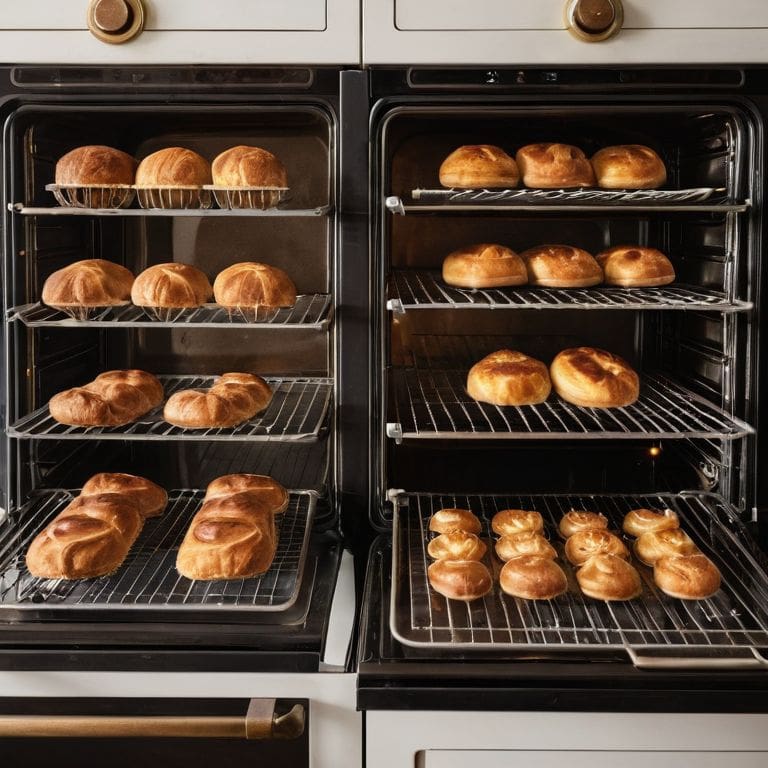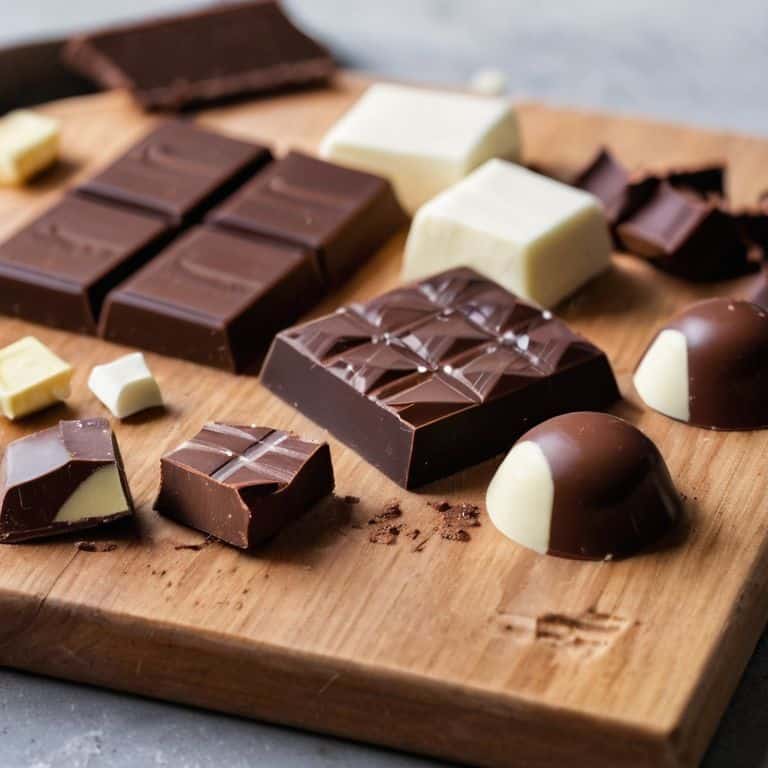
As I stand in my kitchen, surrounded by the tools of my trade, I often find myself frustrated by the misconceptions that plague the world of chocolate. People often ask me, what is couverture chocolate, and I’m met with a mix of confusion and misinformation. The truth is, couverture chocolate is not just a type of chocolate, but an experience. It’s the velvety smoothness that melts in your mouth, the deep, rich flavors that linger on your palate. But, all too often, this experience is lost in a sea of overcomplicated recipes and expensive ingredients.
My goal, as a master pastry chef, is to cut through the noise and provide you with a straightforward, no-nonsense understanding of what couverture chocolate is and how to work with it. I’ll share my own experiences, gained from years of training in Belgium and Switzerland, and from leading the pastry team at a 3-Michelin-star restaurant. I’ll tell you the secrets I’ve learned about tempering, about the importance of temperature and technique, and about how to unlock the full potential of this incredible ingredient. By the end of this journey, you’ll have a deep understanding of what is couverture chocolate and how to use it to elevate your own baking and pastry-making to new heights.
Table of Contents
- Unwrapping What Is Couverture Chocolate
- The Velvet Kiss of Couverture
- Couverture Chocolate Benefits and Cocoa Butter Secrets
- Elevating Professional Chocolate Production With Recipes
- Unlocking the Secrets of Couverture: 5 Essential Tips
- Mastering Couverture Chocolate: 3 Essential Takeaways
- The Essence of Couverture
- The Sweet Revelation
- Frequently Asked Questions
Unwrapping What Is Couverture Chocolate
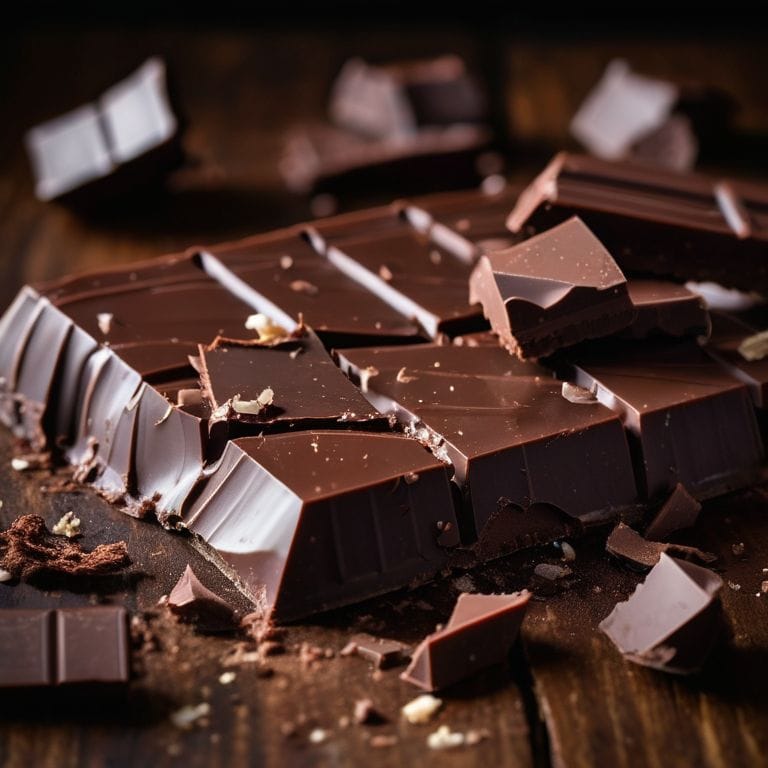
As I delve into the world of high quality chocolate making, I find myself constantly drawn to the allure of couverture chocolate. Its unique characteristics, such as a high cocoa butter content, set it apart from other types of chocolate. This is what gives couverture its signature melt-in-your-mouth texture and deep, rich flavor.
When working with couverture chocolate, it’s essential to understand the art of chocolate tempering techniques. This process involves heating and cooling the chocolate to create a stable crystal structure that gives the chocolate its glossy appearance and satisfying snap. I’ve spent countless hours perfecting my tempering skills, and it’s a crucial step in professional chocolate production.
In my experience, the key to unlocking the full potential of couverture chocolate lies in its versatility. It can be used in a variety of couverture chocolate recipes, from intricate desserts to simple, yet elegant, chocolate truffles. By mastering the art of working with couverture, you’ll be able to create truly exceptional pastries that showcase the couverture chocolate benefits.
The Dark Art of Chocolate Tempering Techniques
To master the art of working with couverture chocolate, one must understand the nuances of temperature control. This is where the magic happens, and the chocolate transforms into a smooth, glossy delight. I recall my days training as a chocolatier in Belgium, where precision was paramount, and even the slightest deviation in temperature could make or break the final product.
As I temper chocolate, I rely on my sense of touch, feeling the chocolate come to life in my hands. It’s a delicate dance, where precision is key, and the reward is a beautifully tempered chocolate that snaps perfectly, releasing the deep, rich flavors within.
Unlocking High Quality Chocolate Making
To create exquisite couverture chocolate, one must understand the art of temperature control. This is where the magic happens, and the chocolate transforms into a velvety smooth delight. I recall my days in Belgium, where I learned the intricacies of tempering chocolate by feel, a skill that requires patience and practice.
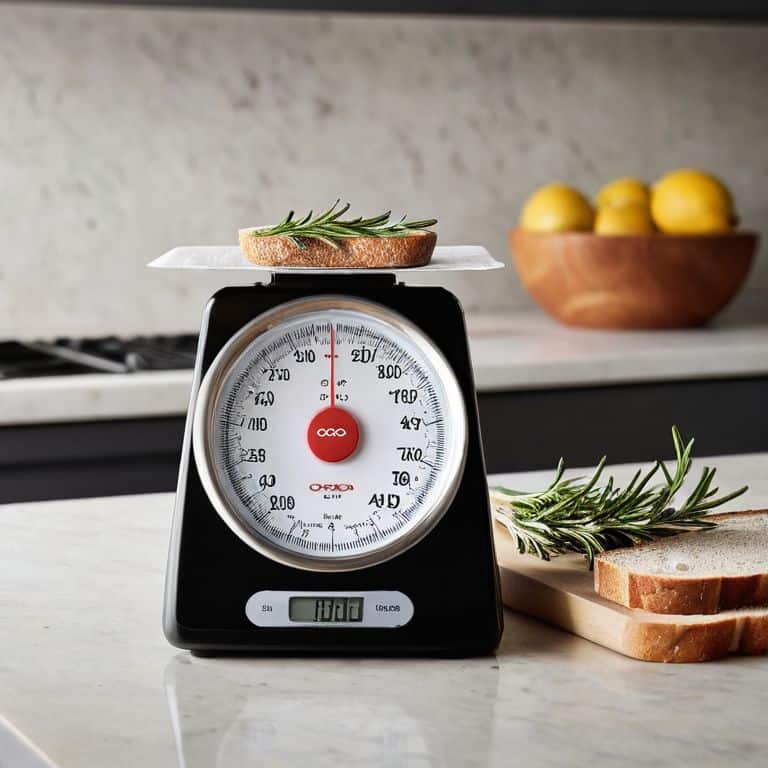
As I work with high-end hotels and teach masterclasses, I stress the importance of precise measurements. This is the foundation upon which all great chocolate making is built. By using exact temperatures and measurements, one can unlock the full potential of couverture chocolate and create truly exceptional desserts.
The Velvet Kiss of Couverture
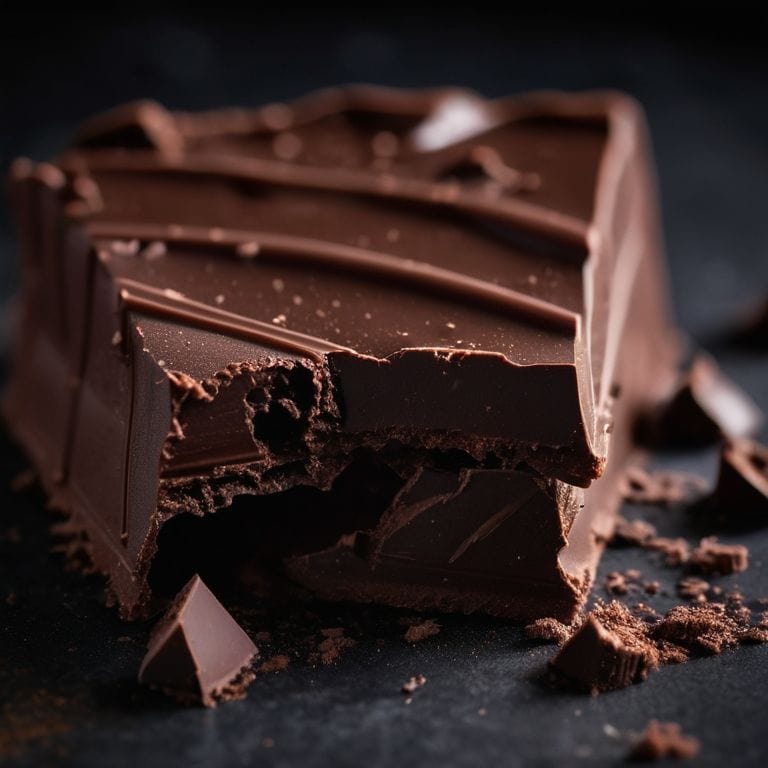
As I work with couverture chocolate benefits, I’m reminded of the importance of precision in high-quality chocolate making. The key to unlocking the full potential of this luxurious ingredient lies in its unique composition, particularly its high _cocoa butter content_. This is what gives couverture chocolate its signature melt-in-your-mouth texture and deep, rich flavor.
When it comes to chocolate tempering techniques, I always say that practice makes perfect. Tempering is an art that requires patience, attention to detail, and a deep understanding of the intricacies of crystal formation. By mastering the tempering process, professional chocolate production becomes an exercise in precision and creativity. Whether you’re crafting intricate truffles or delicate chocolate leaves, the right temper can make all the difference.
In my experience, the best _couverture chocolate recipes_ are those that balance simplicity with elegance. A well-crafted chocolate mousse, for example, can be a masterpiece of texture and flavor, with the couverture chocolate providing a luxurious base note. By combining high-quality ingredients with precise techniques, even the most ambitious professional chocolate production projects become achievable.
Couverture Chocolate Benefits and Cocoa Butter Secrets
As I delve into the world of couverture chocolate, I’m reminded of the sensory experience it offers. The high cocoa butter content in couverture chocolate gives it a rich, velvety texture that simply melts in your mouth. This is due to the unique properties of cocoa butter, which allows it to melt at a temperature close to the human body temperature, creating a truly indulgent sensation.
The benefits of using couverture chocolate in baking and cooking are numerous, with one of the most significant advantages being the elevated flavor profile it brings to desserts. With a higher percentage of cocoa solids, couverture chocolate adds a depth and complexity to any dish, making it a favorite among pastry chefs and chocolatiers alike.
Elevating Professional Chocolate Production With Recipes
To take your chocolate creations to the next level, it’s essential to focus on precision in your recipes. This means carefully measuring out ingredients, controlling temperatures, and mastering techniques like tempering. By doing so, you’ll be able to produce professional-quality chocolates that are both visually stunning and delicious.
In my masterclasses, I always emphasize the importance of quality ingredients in elevating chocolate production. Using high-grade cocoa beans, rare vanilla beans, and other premium ingredients can make all the difference in the world. By combining these ingredients with precise techniques, you’ll be able to create truly exceptional chocolates that will impress even the most discerning palates.
Unlocking the Secrets of Couverture: 5 Essential Tips
- Understand the cocoa butter content: Couverture chocolate contains a minimum of 31% cocoa butter, which gives it a rich, smooth texture and a deep, velvety flavor
- Temper with precision: Tempering is crucial when working with couverture chocolate, and it requires a precise temperature control to achieve the perfect crystal structure
- Choose the right type: There are several types of couverture chocolate, including dark, milk, and white, each with its own unique characteristics and uses
- Work with the right tools: Investing in high-quality chocolate-making tools, such as a tempering machine or a chocolate mold, can make a big difference in the quality of your final product
- Practice, practice, practice: Working with couverture chocolate requires skill and practice, so don’t be discouraged if your first attempts don’t turn out perfectly – keep trying and experimenting until you achieve the desired results
Mastering Couverture Chocolate: 3 Essential Takeaways
High-quality chocolate making begins with the right foundation: understanding what sets couverture chocolate apart, from its high cocoa butter content to precise tempering techniques that elevate its texture and appearance.
Couverture chocolate’s benefits extend beyond its luxurious taste and mouthfeel; it also offers a unique canvas for creativity in professional chocolate production, with its versatility in recipes and presentations making it a favorite among master chocolatiers and pastry chefs.
By mastering the art of working with couverture chocolate, whether through refining tempering techniques or experimenting with innovative recipes, one can unlock a world of possibilities in chocolate craftsmanship, leading to truly exceptional and memorable creations that embody the pursuit of perfection in pastry.
The Essence of Couverture
Couverture chocolate is not just a type of chocolate, it’s an experience – a symphony of flavors and textures that unfolds with each delicate bite, a testament to the alchemy of cocoa and sugar, where the art of tempering meets the science of seduction.
Juliette Le Roux
The Sweet Revelation
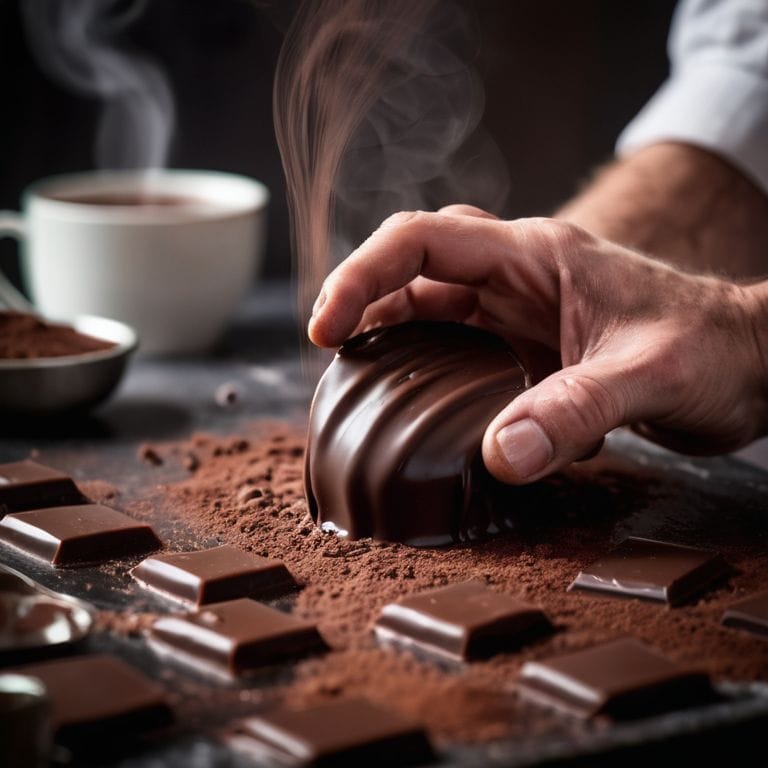
As we’ve unwrapped the mysteries of couverture chocolate, it’s clear that high-quality ingredients and precise techniques are the backbone of this culinary art. From the dark art of tempering to the velvet kiss of couverture’s smooth texture, every step in the process requires attention to detail and a deep understanding of the craft. Whether you’re a professional chocolatier or an enthusiastic home baker, the key to mastering couverture chocolate lies in its cocoa butter secrets and the precise control of temperature.
As you embark on your own journey with couverture chocolate, remember that perfection is achievable with practice and patience. Don’t be afraid to experiment, to push the boundaries of what’s possible with this incredible ingredient. With every carefully crafted truffle, cake, or sculpture, you’ll be one step closer to elevating your craft and sharing the magic of couverture chocolate with the world. So, go ahead, take the first step, and indulge in the rich, dark world of couverture – your taste buds will thank you.
Frequently Asked Questions
What makes couverture chocolate superior to other types of chocolate?
For me, it’s all about the cocoa butter content – at least 31% is what sets couverture apart. This higher fat content gives it a rich, velvety texture and a deep, satisfying flavor that’s hard to resist. Trust me, once you’ve worked with couverture, you’ll never go back to lesser chocolates.
How do I properly temper couverture chocolate for professional-grade desserts?
To temper couverture chocolate, I insist on precision: heat it to 105°F, cool to 82°F, then reheat to 90°F. This delicate dance of temperatures is crucial. I can feel when it’s just right, but for you, I recommend using a thermometer to ensure accuracy. Practice makes perfect, so don’t be discouraged if it takes a few tries to master the technique.
Can I use couverture chocolate for everyday baking, or is it better suited for special occasion desserts?
While couverture chocolate is a luxury, I believe it’s worth using in everyday baking to elevate your treats. However, for special occasions, I reserve my finest couverture chocolate, like the rare, high-cocoa-butter varieties, to create truly show-stopping desserts that will leave a lasting impression.